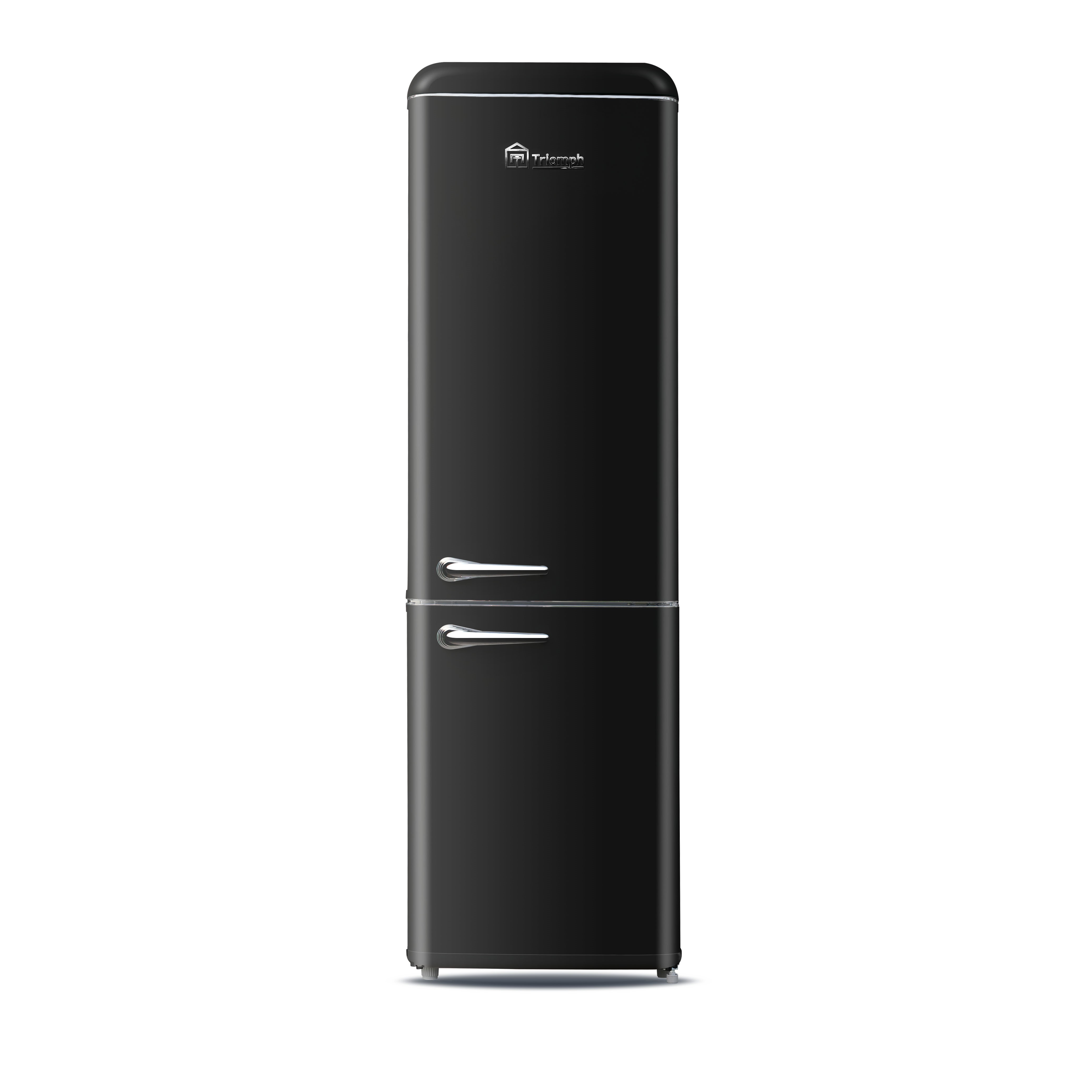
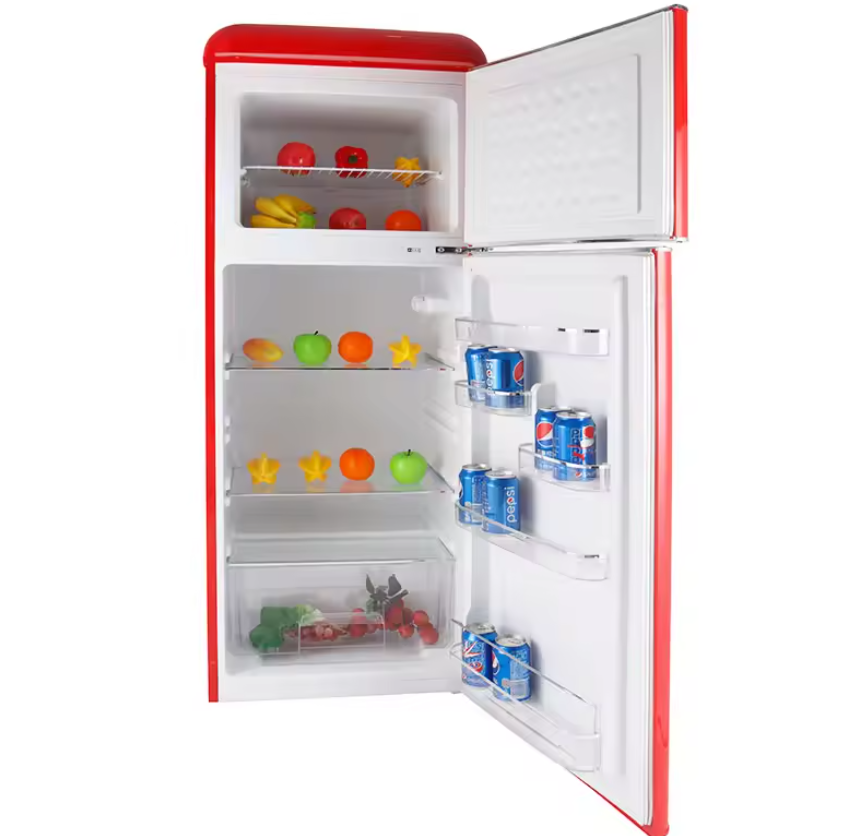
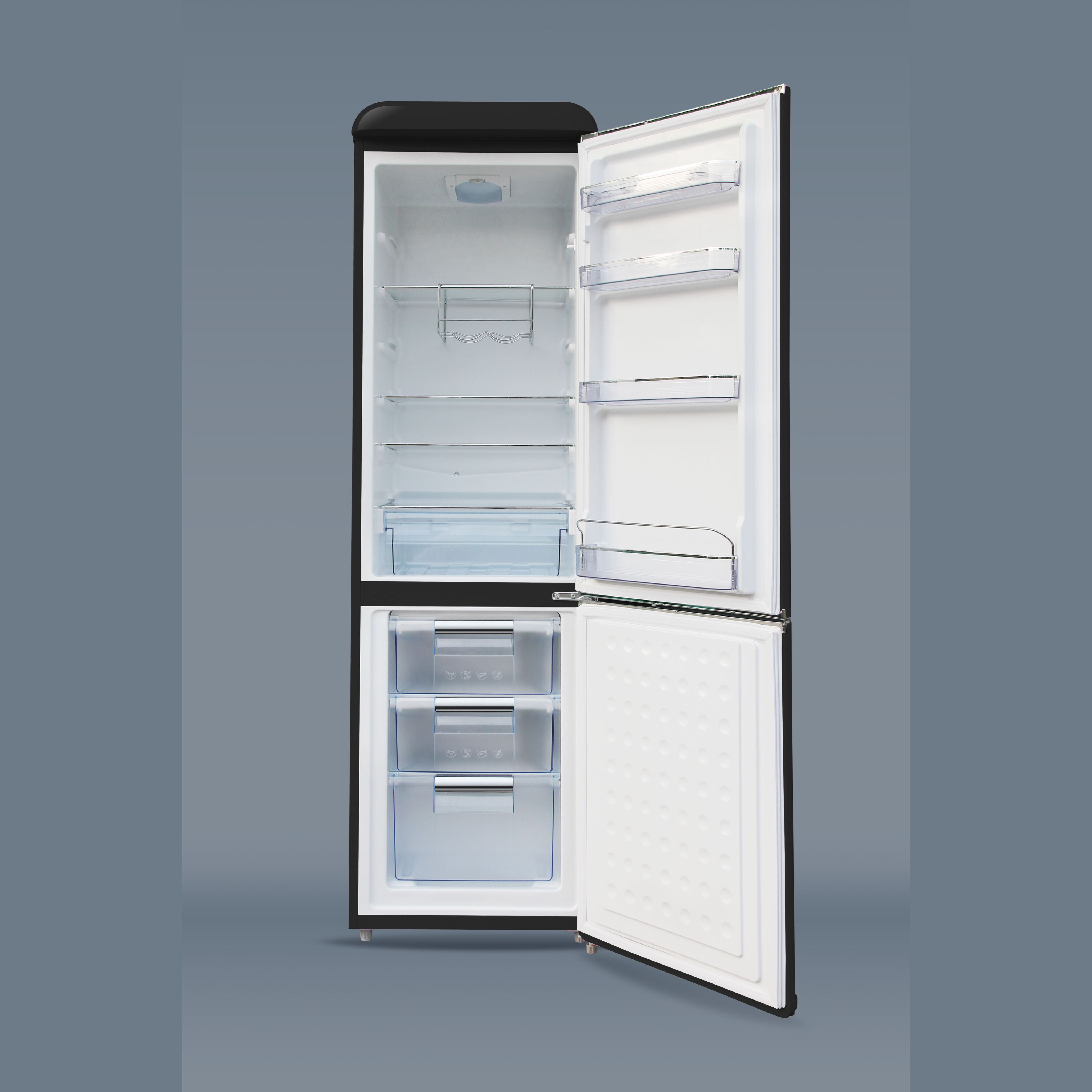
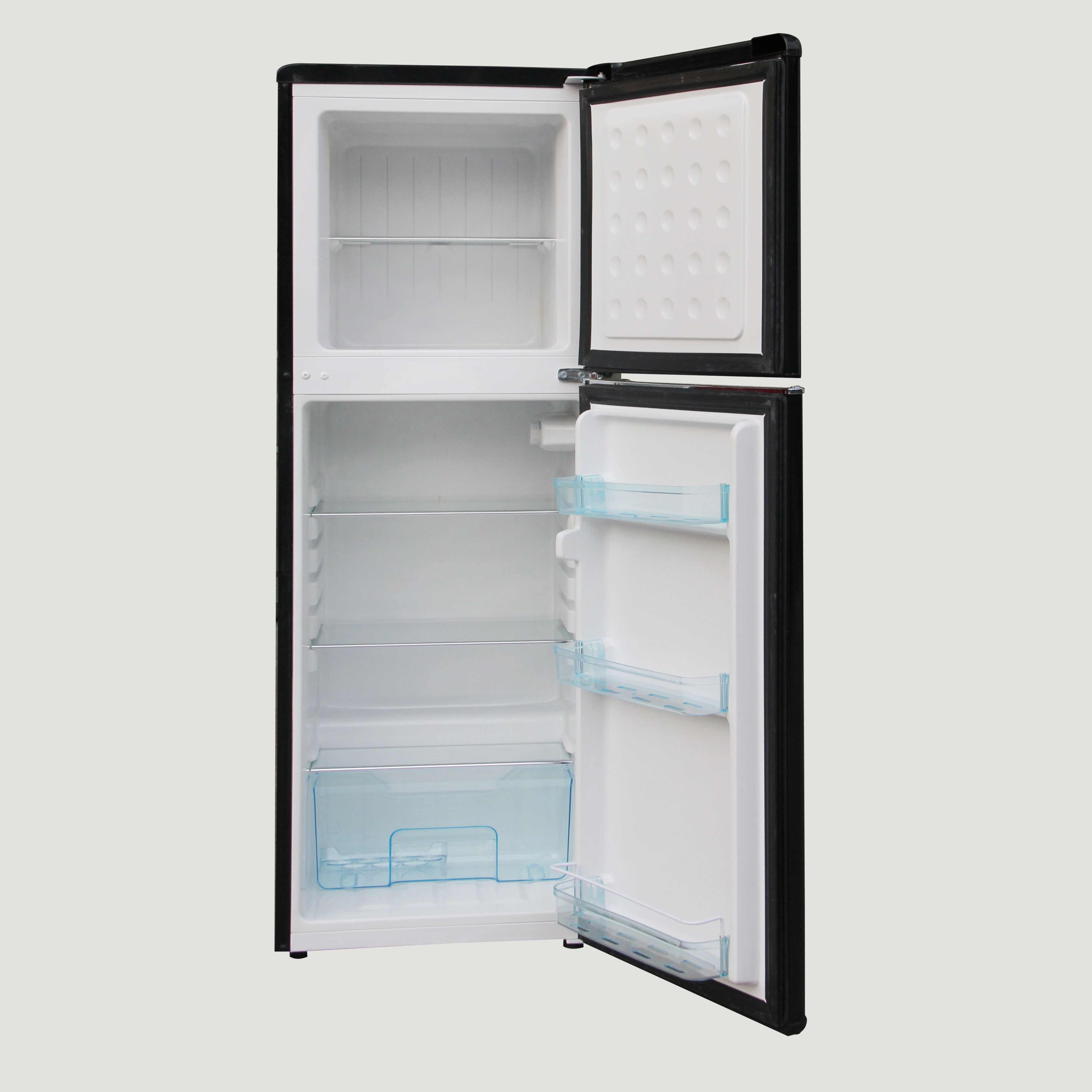
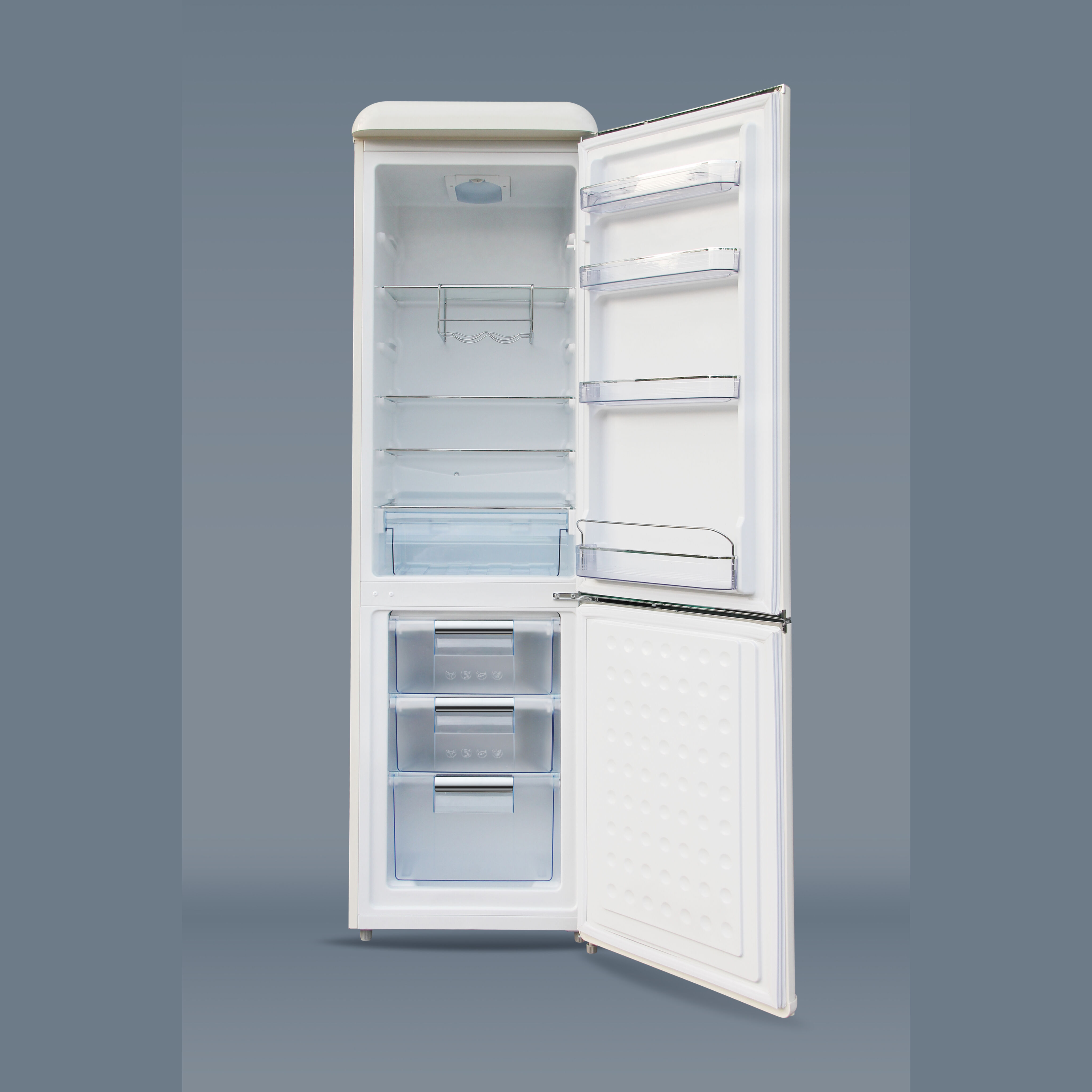
refrigerator
A refrigerator stands as one of the most essential household appliances in modern homes, serving as the cornerstone of food preservation and kitchen functionality. This remarkable appliance operates on the fundamental principle of heat removal, utilizing a complex refrigeration cycle that involves compression, condensation, expansion, and evaporation of refrigerant fluids. The primary function of a refrigerator revolves around maintaining consistently low temperatures, typically between 35 to 38 degrees Fahrenheit in the main compartment and below 0 degrees Fahrenheit in the freezer section. This temperature control system effectively slows bacterial growth and enzymatic reactions that cause food spoilage, extending the shelf life of perishable items significantly. Modern refrigerator units incorporate sophisticated technological features that enhance their performance and user experience. Advanced temperature management systems utilize multiple sensors and digital controls to maintain optimal conditions throughout different compartments. Many contemporary models feature dual cooling systems that independently control humidity and temperature in refrigerator and freezer sections, preventing flavor transfer and maintaining ideal moisture levels for various food types. Energy efficiency represents a critical technological advancement in refrigerator design, with manufacturers implementing variable-speed compressors, improved insulation materials, and smart defrost cycles that reduce power consumption while maintaining superior cooling performance. Smart connectivity features have revolutionized refrigerator functionality, enabling users to monitor and control their appliances remotely through smartphone applications. These intelligent systems can send alerts about temperature fluctuations, door openings, and maintenance requirements, ensuring optimal food safety and appliance longevity. The applications of refrigerator technology extend far beyond residential kitchens, encompassing commercial food service establishments, medical facilities for vaccine and medication storage, and specialized industrial processes requiring precise temperature control. In residential settings, the refrigerator serves multiple purposes including beverage chilling, leftover storage, meal preparation support, and ice production, making it an indispensable component of daily life and culinary activities.
 EN
EN