EN
EN

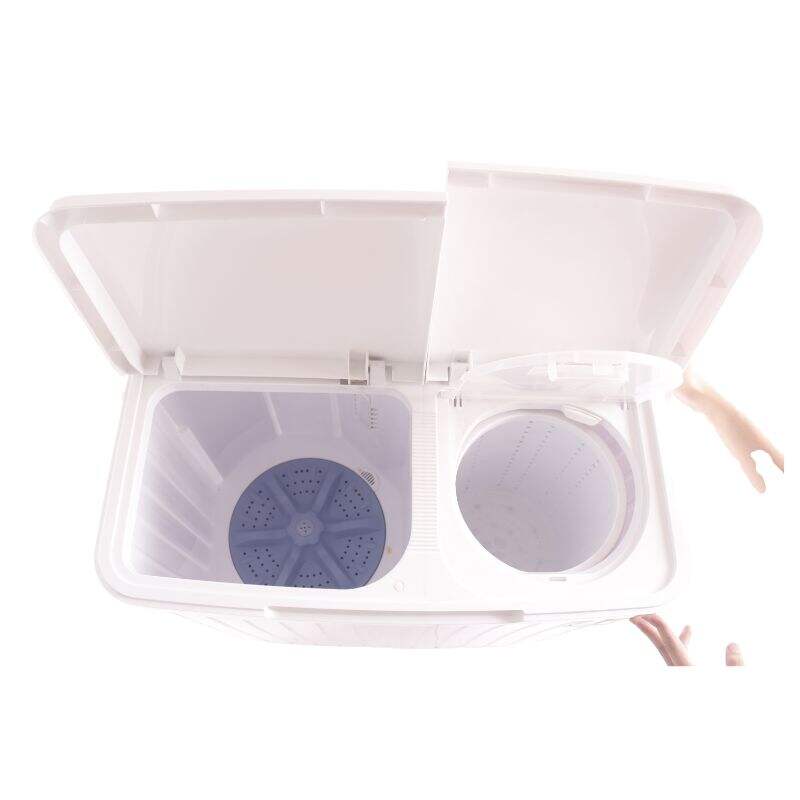
The home appliance industry has witnessed unprecedented growth in recent years, with manufacturers constantly seeking reliable partners to develop innovative washing machine solutions. Our comprehensive case study explores how strategic collaboration with a forward-thinking brand resulted in the successful launch of a revolutionary washing machine OEM product line that exceeded market expectations and established new industry benchmarks for quality and performance.

This remarkable transformation began when our client, a mid-sized appliance retailer, approached us with ambitious plans to develop their own branded washing machine line. The challenge was significant: create a competitive product portfolio that could capture market share while maintaining cost-effectiveness and superior quality standards. Through meticulous planning, innovative engineering, and strategic market positioning, we successfully guided them through every phase of the washing machine OEM development process.
The project encompassed multiple product categories, ranging from compact residential units to high-capacity commercial solutions. Each model required careful consideration of target demographics, regional preferences, and technical specifications. Our team worked closely with the client to understand their vision and translate it into tangible products that would resonate with consumers while meeting stringent quality requirements.
Initial Market Research and Strategy Development
Comprehensive Market Analysis
Before embarking on the washing machine OEM development journey, our team conducted extensive market research to identify emerging trends, consumer preferences, and competitive landscape dynamics. This analysis revealed significant opportunities in the mid-range segment, where consumers sought premium features at accessible price points. The research highlighted growing demand for energy-efficient models, smart connectivity features, and enhanced durability specifications.
Our market intelligence team analyzed sales data from major retailers, conducted focus groups with potential customers, and evaluated competitor offerings across different price segments. This comprehensive approach provided invaluable insights into product positioning strategies, pricing models, and feature prioritization that would guide the entire development process.
The findings indicated that consumers were increasingly prioritizing water and energy efficiency, quiet operation, and advanced wash programs. Additionally, the research revealed untapped potential in specific geographic markets where established brands had limited presence, presenting excellent opportunities for strategic market entry.
Strategic Partnership Framework
Establishing a robust partnership framework proved crucial to the project's success. Our approach emphasized transparency, clear communication channels, and shared responsibility throughout the washing machine OEM development cycle. We implemented regular milestone reviews, quality checkpoints, and collaborative decision-making processes that ensured alignment between all stakeholders.
The partnership structure included dedicated project managers, technical specialists, and quality assurance teams from both organizations. This collaborative approach facilitated knowledge transfer, accelerated problem-solving, and maintained consistent quality standards throughout the development and manufacturing phases.
Risk mitigation strategies were integrated into every aspect of the partnership, including supply chain diversification, quality control protocols, and intellectual property protection measures. These safeguards provided confidence and stability that enabled both parties to focus on innovation and market success.
Product Development and Engineering Excellence
Technical Specifications and Design Innovation
The technical development phase represented the most critical aspect of our washing machine OEM collaboration. Our engineering team worked meticulously to balance performance requirements with cost constraints while incorporating cutting-edge technologies that would differentiate the product line in competitive markets. The design process emphasized user experience, reliability, and manufacturing efficiency.
Advanced motor technology formed the cornerstone of the new product line, featuring inverter-driven systems that delivered superior washing performance while minimizing energy consumption. The engineering team developed proprietary wash algorithms that optimized water usage, detergent distribution, and mechanical action for different fabric types and soil levels.
Structural design innovations included reinforced drum assemblies, advanced suspension systems, and noise reduction technologies that ensured quiet operation even during high-speed spin cycles. These enhancements addressed key consumer concerns while establishing the foundation for long-term product reliability and customer satisfaction.
Quality Assurance and Testing Protocols
Rigorous quality assurance protocols were implemented throughout the washing machine OEM manufacturing process to ensure consistent product excellence. Our comprehensive testing procedures included durability assessments, performance validation, safety compliance verification, and user experience evaluations conducted in controlled laboratory environments.
The testing regimen encompassed thousands of wash cycles under various conditions, simulating years of typical household usage patterns. Environmental testing evaluated product performance across different temperature ranges, humidity levels, and voltage fluctuations commonly encountered in diverse global markets.
Additionally, third-party certification processes were completed to ensure compliance with international safety standards and energy efficiency regulations. These certifications provided market credibility and facilitated entry into regulated markets while demonstrating commitment to consumer safety and environmental responsibility.
Manufacturing Excellence and Supply Chain Optimization
Production Facility Enhancement
Successful washing machine OEM production required significant investments in manufacturing infrastructure and process optimization. Our team collaborated closely with production managers to implement lean manufacturing principles, automated quality control systems, and flexible production lines capable of handling multiple product variants efficiently.
The manufacturing enhancement program included installation of advanced assembly equipment, implementation of real-time quality monitoring systems, and development of comprehensive worker training programs. These improvements resulted in significant productivity gains, reduced defect rates, and enhanced production flexibility that supported rapid market response capabilities.
Sustainability considerations were integrated throughout the manufacturing process, including waste reduction initiatives, energy-efficient production equipment, and environmentally responsible material sourcing practices. These efforts aligned with growing consumer expectations for sustainable products while reducing operational costs.
Supply Chain Integration and Management
Effective supply chain management proved essential for maintaining consistent washing machine OEM production schedules and quality standards. Our procurement team established relationships with qualified component suppliers, implemented vendor qualification programs, and developed contingency planning strategies to mitigate potential disruptions.
The supply chain optimization program focused on reducing lead times, minimizing inventory carrying costs, and ensuring component quality consistency. Strategic supplier partnerships were developed to facilitate technology sharing, cost reduction initiatives, and collaborative innovation projects that benefited all stakeholders.
Digital supply chain management tools were implemented to provide real-time visibility into component availability, delivery schedules, and quality metrics. These systems enabled proactive decision-making and rapid response to changing market conditions or supply disruptions.
Market Launch Strategy and Commercial Success
Brand Positioning and Marketing Approach
The market launch strategy for our client's washing machine OEM product line required careful consideration of brand positioning, target audience identification, and competitive differentiation. Our marketing team developed comprehensive campaigns that highlighted unique product features, value propositions, and quality advantages that distinguished the new line from established competitors.
Multi-channel marketing approaches were employed to maximize market penetration and brand awareness. Digital marketing campaigns, retail partnerships, and traditional advertising methods were coordinated to create cohesive brand messaging that resonated with target consumers across different touchpoints and demographics.
The positioning strategy emphasized the perfect balance of advanced technology, reliable performance, and accessible pricing that appealed to value-conscious consumers seeking premium washing machine features without premium price tags.
Sales Performance and Market Reception
The commercial launch exceeded initial projections, with the washing machine OEM product line achieving significant market traction within the first six months. Sales performance metrics demonstrated strong consumer acceptance, positive customer feedback, and growing market share in target segments.
Customer satisfaction surveys revealed high approval ratings for product performance, reliability, and value perception. These positive outcomes validated our development approach and provided confidence for future product expansion initiatives. Repeat purchase rates and customer referral patterns indicated strong brand loyalty development.
The success generated opportunities for additional product development projects, expanded market coverage, and enhanced partnership relationships that continue to drive mutual growth and innovation initiatives.
Lessons Learned and Best Practices
Critical Success Factors
Analysis of the washing machine OEM project revealed several critical success factors that contributed to positive outcomes. Collaborative partnership approaches, comprehensive market research, and rigorous quality management emerged as fundamental elements that enabled successful product development and market penetration.
Technical excellence combined with cost-effective manufacturing processes proved essential for achieving competitive positioning while maintaining profit margins. The integration of customer feedback throughout the development cycle ensured that final products met market expectations and delivered superior user experiences.
Effective project management, clear communication protocols, and shared accountability frameworks facilitated smooth execution and timely milestone achievement. These organizational factors created the foundation for successful collaboration and outstanding results.
Future Development Opportunities
The success of the initial washing machine OEM launch has created numerous opportunities for continued partnership expansion and product line development. Emerging technologies such as artificial intelligence, Internet of Things connectivity, and advanced materials present exciting possibilities for next-generation product innovations.
Market expansion opportunities exist in developing regions where growing middle-class populations are driving increased demand for modern home appliances. Strategic market entry approaches can leverage the proven product development capabilities and quality standards established through this successful collaboration.
Continuous improvement initiatives focus on enhancing manufacturing efficiency, reducing environmental impact, and incorporating customer-driven feature enhancements that maintain competitive advantages in evolving markets.
FAQ
What makes a washing machine OEM partnership successful
Successful washing machine OEM partnerships require clear communication, aligned objectives, and mutual commitment to quality excellence. Key elements include comprehensive market research, collaborative product development processes, rigorous quality assurance protocols, and shared accountability for project outcomes. Establishing transparent communication channels and regular milestone reviews ensures that all stakeholders remain aligned throughout the development and manufacturing phases.
How long does it typically take to develop a new washing machine OEM product line
The development timeline for a complete washing machine OEM product line typically ranges from 12 to 18 months, depending on complexity and customization requirements. This timeframe includes market research, product design, prototype development, testing validation, manufacturing setup, and quality certification processes. Factors that can influence the timeline include technical complexity, regulatory requirements, and the extent of customization needed for specific market segments.
What quality standards should be expected from washing machine OEM manufacturers
Professional washing machine OEM manufacturers should demonstrate compliance with international safety standards, energy efficiency certifications, and comprehensive quality management systems. Expect rigorous testing protocols, durability assessments, performance validation, and third-party certifications that ensure product safety and reliability. Quality manufacturers also provide detailed documentation, warranty support, and ongoing technical assistance throughout the partnership relationship.
How can brands ensure competitive positioning in the washing machine market
Competitive positioning requires thorough market analysis, unique value proposition development, and strategic feature differentiation that addresses specific customer needs. Successful brands focus on balancing advanced technology with cost-effectiveness, emphasizing quality construction, energy efficiency, and user-friendly operation. Effective marketing strategies, strong retail partnerships, and exceptional customer service support help establish market presence and build long-term brand loyalty in competitive environments.