Premium Refrigerators: Advanced Cooling Technology, Energy Efficiency & Smart Features for Modern Homes

All Categories

Get a Free Quote

Our representative will contact you soon.
Email
Name
Company Name
Phone/WhatsApp
Message
0/1000

refrigerator

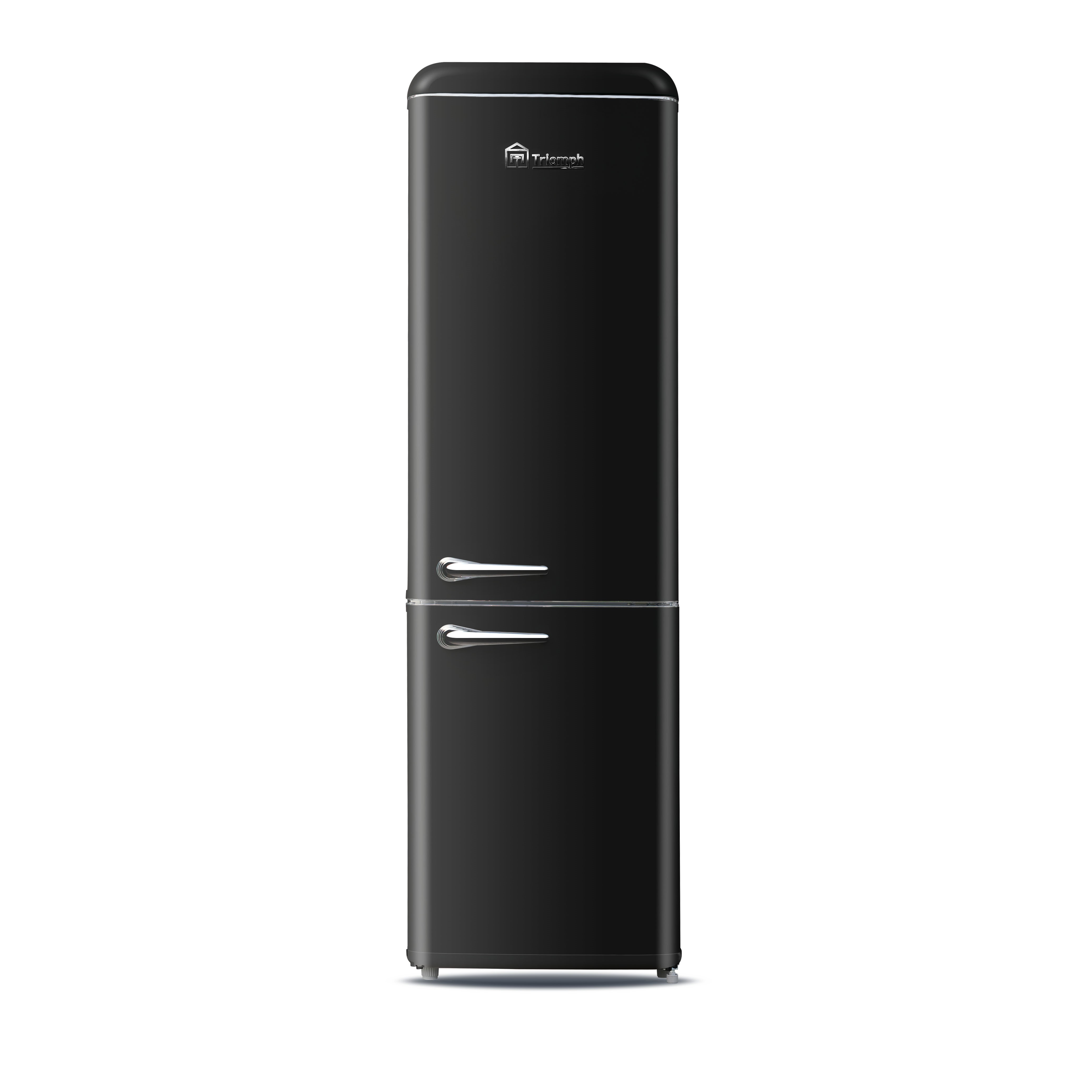
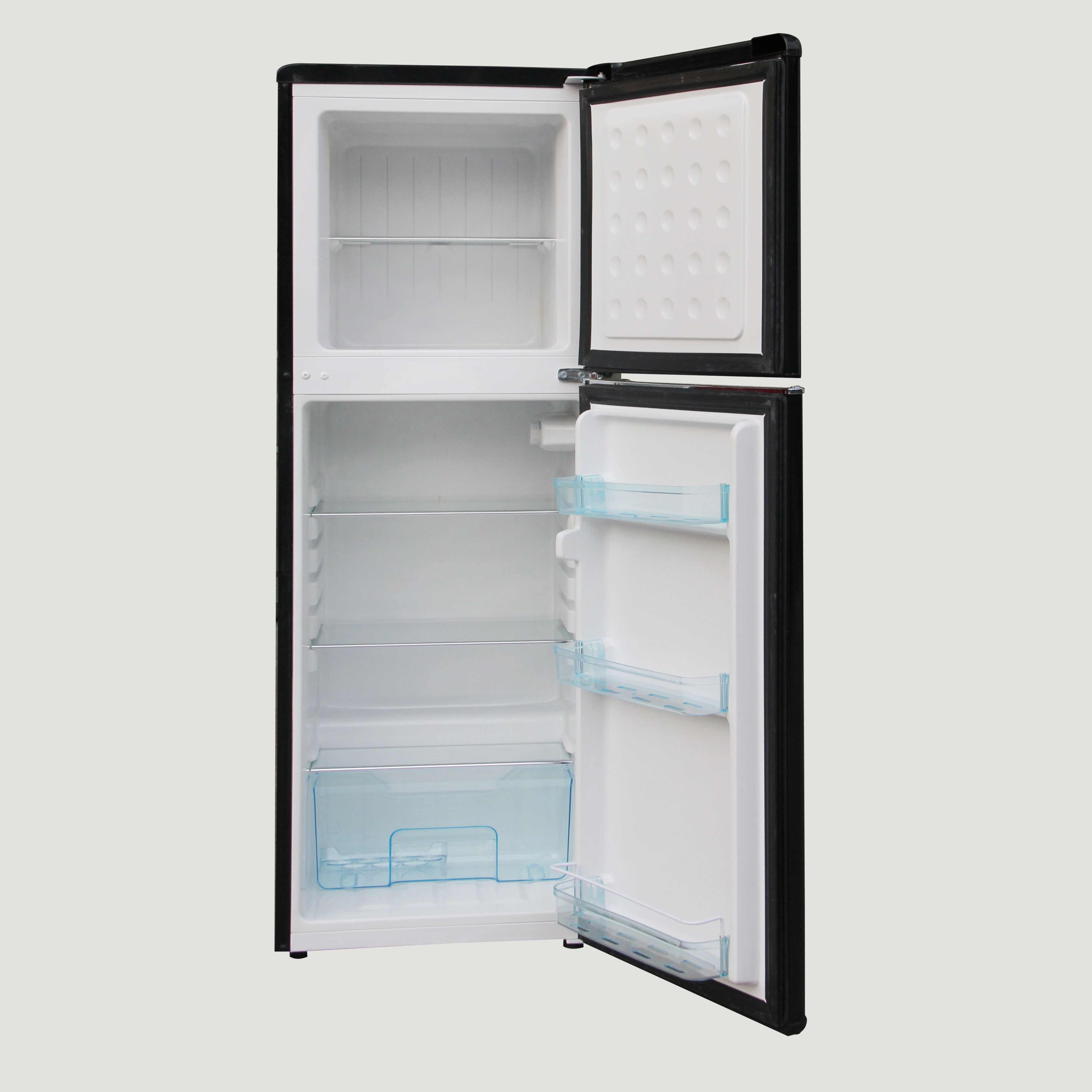
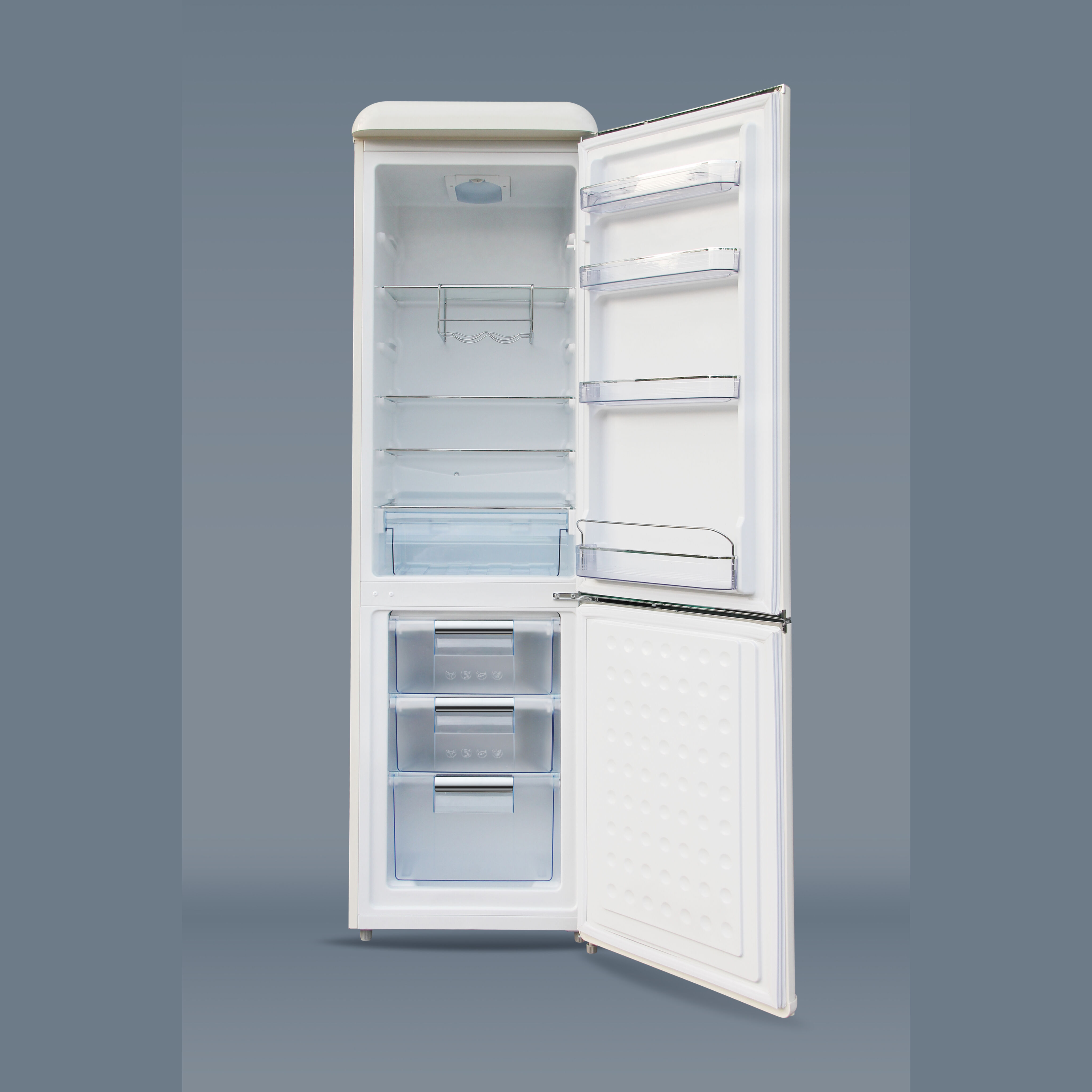
A refrigerator stands as one of the most essential household appliances in modern homes, serving as the cornerstone of food preservation and kitchen functionality. This remarkable appliance operates on the fundamental principle of heat removal, utilizing a complex refrigeration cycle that involves compression, condensation, expansion, and evaporation of refrigerant fluids. The primary function of a refrigerator revolves around maintaining consistently low temperatures, typically between 35 to 38 degrees Fahrenheit in the main compartment and below 0 degrees Fahrenheit in the freezer section. This temperature control system effectively slows bacterial growth and enzymatic reactions that cause food spoilage, extending the shelf life of perishable items significantly. Modern refrigerator units incorporate sophisticated technological features that enhance their performance and user experience. Advanced temperature management systems utilize multiple sensors and digital controls to maintain optimal conditions throughout different compartments. Many contemporary models feature dual cooling systems that independently control humidity and temperature in refrigerator and freezer sections, preventing flavor transfer and maintaining ideal moisture levels for various food types. Energy efficiency represents a critical technological advancement in refrigerator design, with manufacturers implementing variable-speed compressors, improved insulation materials, and smart defrost cycles that reduce power consumption while maintaining superior cooling performance. Smart connectivity features have revolutionized refrigerator functionality, enabling users to monitor and control their appliances remotely through smartphone applications. These intelligent systems can send alerts about temperature fluctuations, door openings, and maintenance requirements, ensuring optimal food safety and appliance longevity. The applications of refrigerator technology extend far beyond residential kitchens, encompassing commercial food service establishments, medical facilities for vaccine and medication storage, and specialized industrial processes requiring precise temperature control. In residential settings, the refrigerator serves multiple purposes including beverage chilling, leftover storage, meal preparation support, and ice production, making it an indispensable component of daily life and culinary activities.

New Product Releases

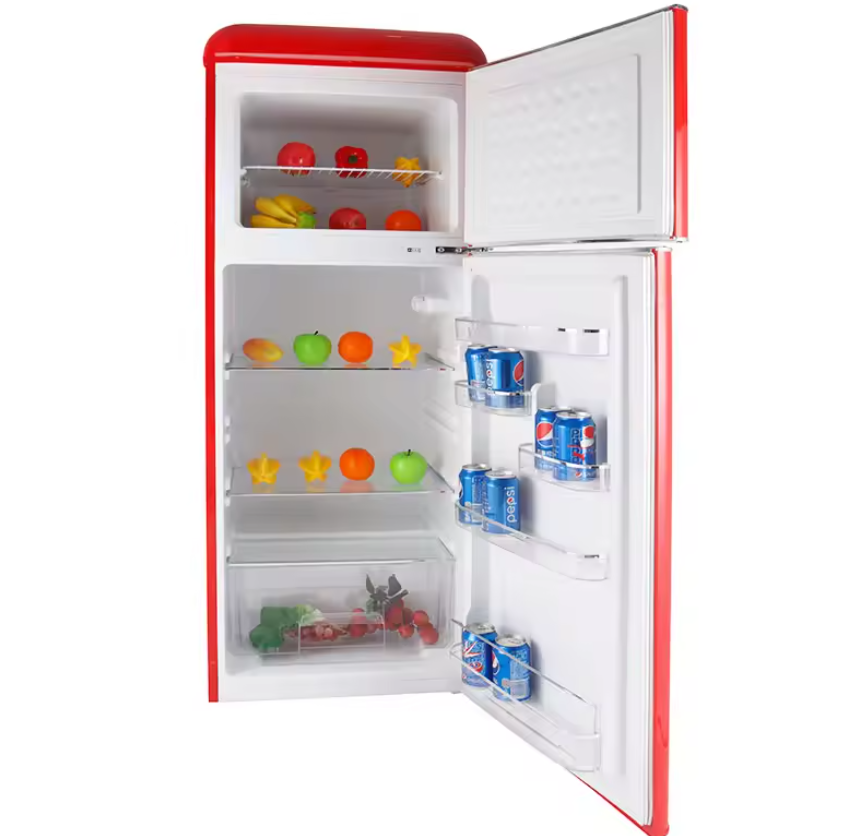
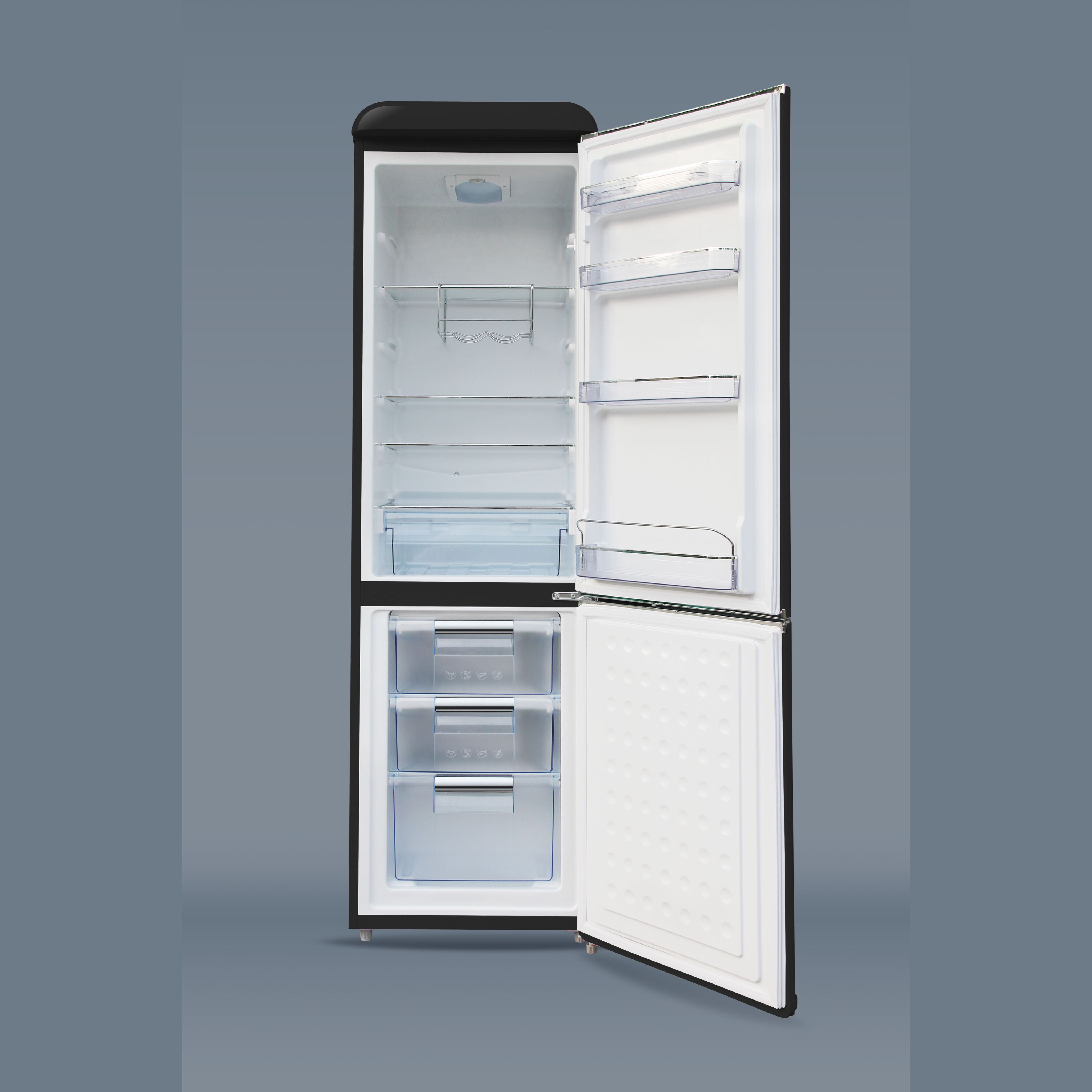
The refrigerator delivers exceptional food preservation capabilities that transform how families manage their grocery shopping and meal planning strategies. Fresh produce maintains its nutritional value and crisp texture for extended periods when stored at proper temperatures, reducing food waste and saving significant money on grocery expenses. Families can purchase larger quantities of perishable items during sales events, storing them safely without concern about rapid spoilage. This storage flexibility enables better budget management and reduces the frequency of shopping trips required throughout the week. Temperature consistency ensures that dairy products, meats, and prepared foods remain safe for consumption while retaining their original flavors and textures. The freezer compartment extends storage capabilities even further, allowing users to preserve seasonal foods, batch-cooked meals, and bulk purchases for months without quality degradation. Energy efficiency improvements in modern refrigerator designs significantly reduce household electricity consumption compared to older models. Advanced insulation technologies and variable-speed compressors automatically adjust cooling output based on actual needs, minimizing energy waste during low-demand periods. These efficiency gains translate directly into lower utility bills and reduced environmental impact, making refrigerator ownership more sustainable and cost-effective over time. Smart diagnostic systems alert users to potential issues before they become costly repairs, enabling proactive maintenance that extends appliance lifespan. Convenience features enhance daily kitchen operations through improved organization and accessibility. Adjustable shelving systems accommodate items of various sizes, while specialized compartments maintain optimal conditions for different food categories. Crisper drawers with humidity controls keep fruits and vegetables fresh longer by maintaining appropriate moisture levels. Door storage provides easy access to frequently used items like condiments and beverages without opening the main compartment, reducing cold air loss. Ice and water dispensers eliminate the need for separate ice trays and water filtration systems, providing instant access to chilled refreshments. LED lighting illuminates the interior clearly while consuming minimal energy, making it easy to locate items quickly. These practical benefits combine to create a more efficient, organized, and enjoyable kitchen experience that supports healthier eating habits and better food management practices for busy households.

Practical Tips

How Our Washing Machine Factory Implements Sustainable Manufacturing Practices

27

Nov

How Our Washing Machine Factory Implements Sustainable Manufacturing Practices

Modern manufacturing facilities face unprecedented pressure to adopt environmentally responsible practices while maintaining production efficiency and quality standards. A progressive washing machine factory must balance operational excellence with e...
View More
Customization Options Available at Our Washing Machine Factory for OEM Clients

27

Nov

Customization Options Available at Our Washing Machine Factory for OEM Clients

The global appliance manufacturing industry has witnessed unprecedented growth, with businesses increasingly seeking reliable partners to meet diverse market demands. Original Equipment Manufacturing (OEM) clients today require more than just standar...
View More
Why Choosing a Certified Washing Machine Factory Matters for Product Quality

27

Nov

Why Choosing a Certified Washing Machine Factory Matters for Product Quality

In today's competitive appliance market, the selection of a reliable manufacturing partner can make or break your business success. When sourcing washing machines, partnering with a certified washing machine factory ensures superior product quality, ...
View More
Case Study: How We Helped a Brand Launch a Successful OEM Washing Machine Line

27

Nov

Case Study: How We Helped a Brand Launch a Successful OEM Washing Machine Line

The home appliance industry has witnessed unprecedented growth in recent years, with manufacturers constantly seeking reliable partners to develop innovative washing machine solutions. Our comprehensive case study explores how strategic collaboration...
View More

Get a Free Quote

Our representative will contact you soon.
Email
Name
Company Name
Phone/WhatsApp
Message
0/1000

refrigerator

Advanced Temperature Control Technology

Advanced Temperature Control Technology

Modern refrigerator systems incorporate sophisticated temperature control technology that revolutionizes food preservation through precision climate management. Multi-zone cooling systems create distinct environmental conditions within different compartments, ensuring optimal storage conditions for various food categories. The main refrigerator compartment maintains consistent temperatures between 35-38 degrees Fahrenheit, while specialized zones can be adjusted for specific items like wine, deli meats, or fresh produce. Advanced sensors continuously monitor temperature fluctuations and automatically adjust cooling output to maintain stability, even when doors are opened frequently or large quantities of warm food are added. Digital temperature displays provide real-time monitoring capabilities, allowing users to verify proper storage conditions at a glance. Smart algorithms learn usage patterns and anticipate temperature changes, pre-cooling compartments before peak usage times to maintain optimal conditions. Variable-speed compressor technology adjusts cooling intensity based on actual demand, reducing energy consumption while ensuring consistent performance. Rapid cooling functions quickly bring newly stored items to safe temperatures, minimizing the time foods spend in dangerous temperature zones where bacterial growth accelerates. Humidity control systems maintain proper moisture levels for different food types, preventing dehydration in fruits and vegetables while reducing excess moisture that can promote mold growth. Temperature memory functions maintain settings during brief power outages, automatically resuming optimal conditions when power returns. These technological advances ensure superior food safety, extended freshness, and reduced spoilage compared to conventional cooling systems, providing families with greater confidence in their food storage capabilities and significant cost savings through reduced food waste.
Energy Efficiency and Environmental Benefits

Energy Efficiency and Environmental Benefits

Contemporary refrigerator designs prioritize energy efficiency through innovative technologies that significantly reduce environmental impact while lowering operating costs for consumers. Advanced insulation materials and construction techniques minimize heat transfer, reducing the workload on cooling systems and decreasing energy consumption by up to 40% compared to models from previous decades. Variable-speed inverter compressors automatically adjust their operation based on cooling demands, consuming only the energy necessary to maintain proper temperatures rather than operating at full capacity continuously. This intelligent power management results in substantial electricity savings while extending compressor lifespan through reduced wear and tear. Eco-friendly refrigerant formulations eliminate harmful CFCs and HCFCs, protecting the ozone layer while maintaining superior cooling performance. LED lighting systems throughout the interior consume 75% less energy than traditional incandescent bulbs while providing brighter, more uniform illumination that enhances visibility and food identification. Smart defrost cycles utilize sensors to determine when defrosting is actually needed rather than operating on fixed schedules, reducing energy waste and maintaining consistent temperatures. Energy Star certification ensures that qualified refrigerator models meet strict efficiency guidelines, providing consumers with verified performance standards and potential utility rebates. Vacation modes automatically adjust temperature settings and reduce energy consumption during extended absences, while door alarms prevent energy loss from accidental door openings. Power management systems optimize energy usage during peak and off-peak utility hours, potentially qualifying for time-of-use electricity savings programs. These efficiency improvements not only reduce household carbon footprints but also provide measurable financial benefits through lower utility bills, making energy-efficient refrigerator ownership both environmentally responsible and economically advantageous for families seeking sustainable appliance solutions.
Smart Connectivity and User Convenience Features

Smart Connectivity and User Convenience Features

Smart refrigerator technology transforms traditional food storage into an integrated digital experience that enhances kitchen management and family organization. Wi-Fi connectivity enables remote monitoring and control through dedicated smartphone applications, allowing users to adjust temperatures, receive maintenance alerts, and monitor energy consumption from anywhere. Internal cameras provide real-time views of refrigerator contents, eliminating guesswork during grocery shopping and helping families avoid duplicate purchases or forgotten items. Inventory management systems track expiration dates and suggest recipes based on available ingredients, reducing food waste while inspiring creative meal planning. Voice control integration works seamlessly with popular smart home assistants, enabling hands-free temperature adjustments and status inquiries while cooking or cleaning. Touchscreen displays on refrigerator doors serve as family communication centers, displaying calendars, weather updates, recipes, and shopping lists that can be synchronized across multiple devices. Smart diagnostic capabilities monitor system performance continuously, identifying potential issues before they result in food spoilage or costly repairs, and can automatically schedule service appointments with authorized technicians. Energy usage tracking provides detailed consumption reports that help families optimize their appliance usage patterns and reduce utility costs. Door sensors send smartphone notifications when doors are left open accidentally, preventing temperature loss and food safety issues. Water filter monitoring systems track usage and automatically order replacement filters when needed, ensuring consistently clean and fresh-tasting water and ice. Integration with grocery delivery services allows direct ordering of needed items through the refrigerator interface, streamlining household management tasks. These smart features create a more intuitive, efficient, and connected kitchen experience that adapts to modern family lifestyles while providing practical benefits that simplify daily routines and enhance food management capabilities.

Get a Free Quote

Our representative will contact you soon.
Email
Name
Company Name
Phone/WhatsApp
Message
0/1000