EN
EN

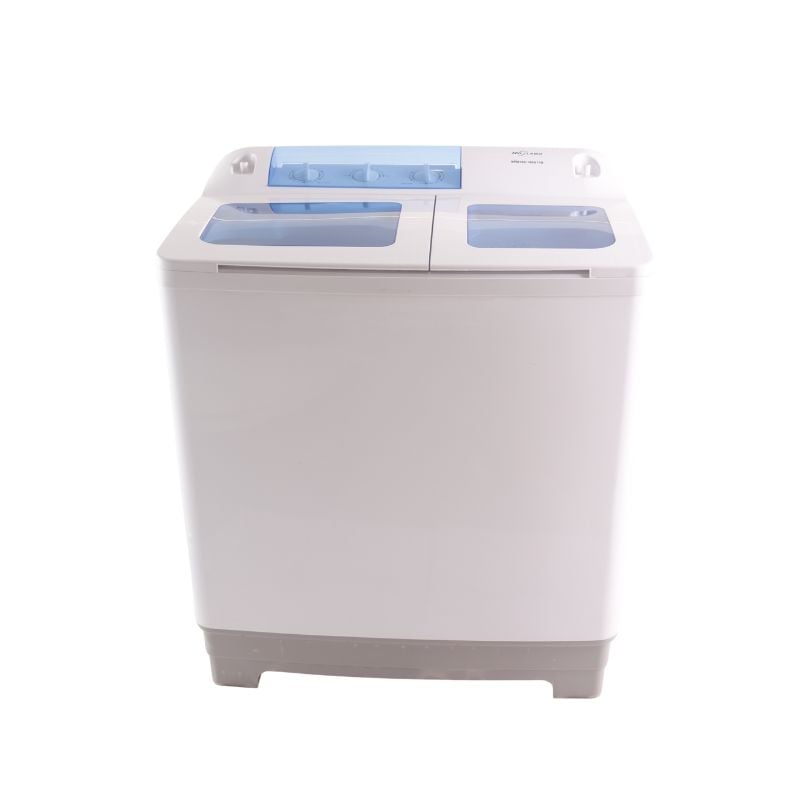
Modern manufacturing has reached a critical juncture where environmental responsibility and industrial efficiency must converge. As global awareness of climate change intensifies, the home appliance industry faces mounting pressure to adopt sustainable practices throughout the production cycle. Our washing machine factory has embraced this challenge by implementing comprehensive sustainability initiatives that reduce environmental impact while maintaining exceptional product quality. These practices demonstrate how industrial manufacturing can evolve to meet both consumer demands and environmental stewardship requirements.
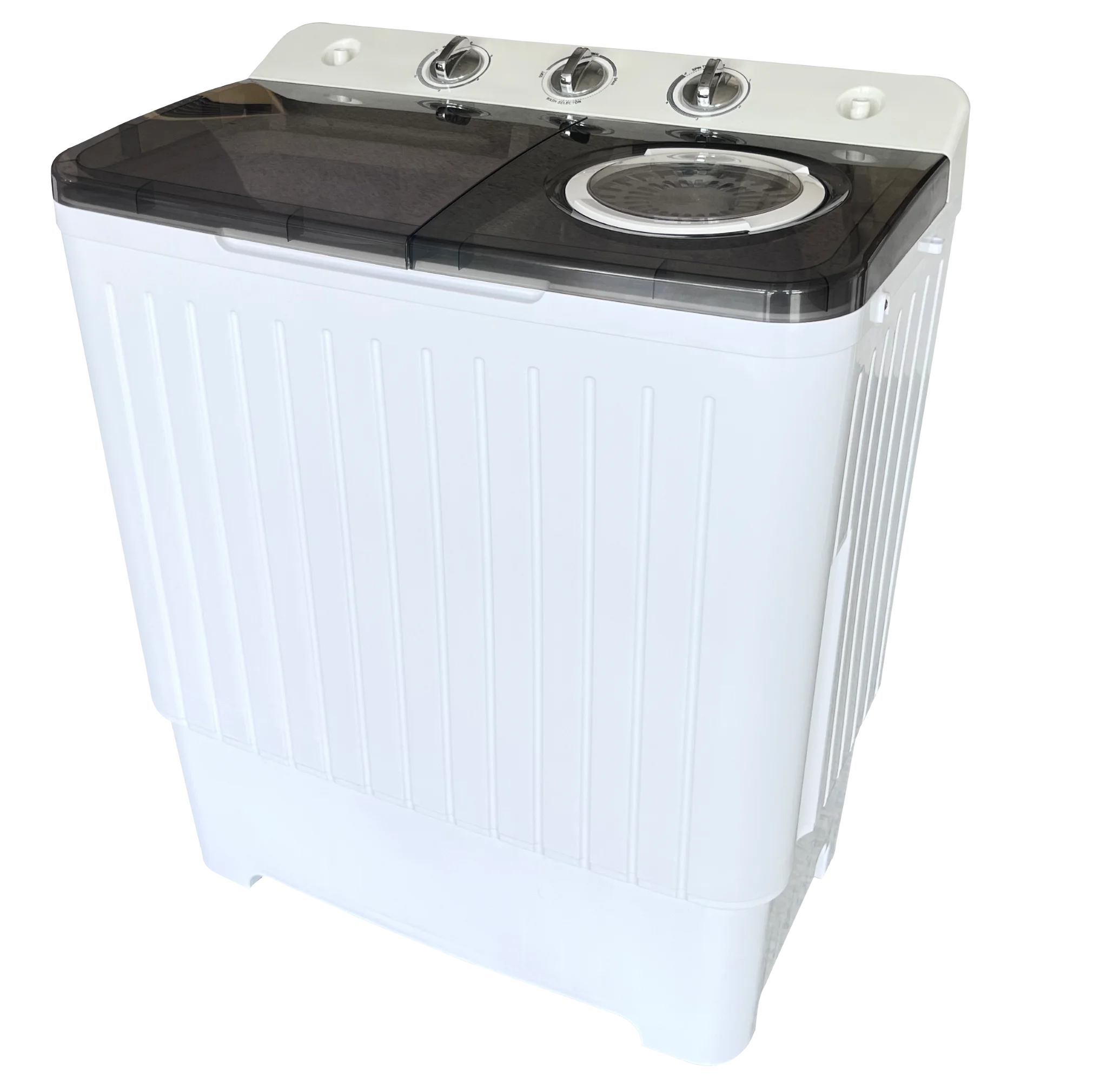
Energy Efficiency in Production Operations
Advanced Power Management Systems
Our washing machine factory utilizes state-of-the-art power management systems that optimize energy consumption across all production lines. These sophisticated monitoring systems track real-time energy usage, identifying opportunities for efficiency improvements and automatically adjusting power distribution based on operational demands. Smart grid integration allows the facility to leverage renewable energy sources during peak availability, significantly reducing reliance on conventional power generation. The implementation of variable frequency drives on motor systems has resulted in substantial energy savings while maintaining consistent production output.
Energy recovery systems capture waste heat from manufacturing processes and redirect it to heating applications throughout the facility. This closed-loop approach minimizes energy waste and reduces overall consumption by approximately thirty percent compared to traditional manufacturing setups. Regular energy audits ensure continuous improvement in efficiency metrics, with detailed analysis informing future equipment upgrades and process modifications.
LED Lighting and Automation Integration
Complete conversion to LED lighting systems has transformed the washing machine factory lighting infrastructure, delivering significant energy reductions while improving workplace visibility. Motion sensors and daylight harvesting systems automatically adjust artificial lighting based on occupancy and natural light availability. These intelligent lighting controls ensure optimal illumination during production hours while minimizing unnecessary energy consumption during low-activity periods.
Integration with facility automation systems allows lighting to coordinate with production schedules, preemptively illuminating work areas before shift changes and gradually reducing intensity during break periods. The extended lifespan of LED fixtures reduces maintenance requirements and associated material waste, supporting both environmental and operational efficiency objectives.
Water Conservation and Management
Closed-Loop Water Systems
Water usage in our washing machine factory follows strict conservation protocols through advanced recycling and treatment systems. Closed-loop water circuits capture and process industrial wastewater, removing contaminants and returning clean water to production processes. Multi-stage filtration systems ensure water quality meets strict manufacturing standards while minimizing freshwater consumption from municipal sources.
Rainwater collection systems supplement industrial water supplies, with storage tanks maintaining reserves for non-critical applications such as facility cleaning and landscape irrigation. These comprehensive water management strategies have reduced municipal water consumption by more than forty percent, demonstrating effective resource conservation in industrial settings.
Wastewater Treatment Innovation
On-site wastewater treatment facilities process all liquid waste generated during washing machine factory operations, ensuring discharge water meets or exceeds environmental regulations. Biological treatment processes break down organic contaminants, while advanced filtration removes particulates and chemical residues. Regular water quality testing verifies treatment effectiveness and maintains compliance with local environmental standards.
The treated water often exceeds municipal discharge standards, allowing for beneficial reuse in cooling systems and equipment cleaning applications. This comprehensive approach transforms wastewater from an environmental liability into a valuable resource, supporting circular economy principles within industrial manufacturing.
Material Sourcing and Waste Reduction
Sustainable Supply Chain Management
Material sourcing for our washing machine factory prioritizes suppliers who demonstrate environmental responsibility and sustainable practices. Comprehensive supplier assessments evaluate environmental management systems, carbon footprint reduction initiatives, and material sourcing transparency. Long-term partnerships with certified sustainable suppliers ensure consistent access to responsibly sourced materials while supporting broader industry transformation.
Local sourcing strategies reduce transportation emissions and support regional economic development while maintaining quality standards. Strategic inventory management minimizes material waste through precise demand forecasting and just-in-time delivery coordination. These approaches significantly reduce the environmental impact of material procurement while maintaining production efficiency.
Manufacturing Waste Minimization
Comprehensive waste reduction programs in our washing machine factory target all production waste streams through systematic analysis and process optimization. Lean manufacturing principles identify and eliminate wasteful practices, while advanced production planning minimizes material overages and defective products. Metal scraps from stamping operations are immediately segregated for recycling, ensuring valuable materials return to the supply chain.
Plastic components undergo careful sorting and processing for recycling into new products or alternative applications. Even packaging materials follow strict reuse and recycling protocols, with suppliers required to accept returned packaging for reprocessing. These comprehensive waste management practices achieve recycling rates exceeding ninety percent for most material categories.
Green Technology Implementation
Renewable Energy Integration
Solar panel installations across the washing machine factory roof generate substantial renewable energy, reducing dependence on grid electricity during peak production hours. Battery storage systems capture excess solar generation for use during evening shifts and cloudy weather, maximizing renewable energy utilization. Grid-tie inverters allow excess clean energy to flow back to the municipal grid, supporting community sustainability goals.
Wind energy supplements solar generation during favorable weather conditions, with vertical axis turbines designed to operate efficiently in industrial environments. The combination of multiple renewable energy sources provides consistent clean power while reducing facility carbon emissions by more than sixty percent annually.
Clean Manufacturing Technologies
Advanced coating systems in our washing machine factory utilize low-VOC materials and electrostatic application methods that minimize overspray and material waste. Powder coating processes eliminate liquid solvents while providing durable, high-quality finishes that enhance product longevity. Curing ovens incorporate heat recovery systems that capture and reuse thermal energy, improving overall process efficiency.
Precision manufacturing equipment reduces material waste through accurate cutting and forming operations, while predictive maintenance systems prevent equipment failures that could result in defective products. These technologies ensure consistent quality while minimizing environmental impact throughout the production process.
Employee Engagement and Training
Sustainability Education Programs
Comprehensive training programs ensure all washing machine factory employees understand sustainability principles and their role in environmental stewardship. Regular workshops cover topics such as energy conservation, waste reduction, and resource efficiency, empowering workers to identify improvement opportunities within their daily responsibilities. Employee suggestion programs encourage innovation and continuous improvement in environmental performance.
Recognition programs celebrate employees who demonstrate exceptional commitment to sustainability initiatives, fostering a culture of environmental responsibility throughout the organization. Monthly sustainability newsletters share progress updates, success stories, and best practices, maintaining awareness and engagement across all departments.
Continuous Improvement Culture
Regular environmental performance reviews engage washing machine factory teams in identifying and implementing process improvements. Cross-functional sustainability committees evaluate proposals and coordinate implementation of approved initiatives. Data-driven decision making ensures improvement efforts focus on areas with the greatest potential for environmental impact reduction.
Employee feedback mechanisms capture insights from frontline workers who often identify practical solutions overlooked by management. This collaborative approach ensures sustainability initiatives are both environmentally effective and operationally practical, supporting long-term success and employee engagement.
Environmental Compliance and Certification
Regulatory Standards Management
Our washing machine factory maintains strict compliance with all applicable environmental regulations through comprehensive monitoring and reporting systems. Regular environmental audits verify adherence to air quality, water discharge, and waste management requirements. Proactive compliance management anticipates regulatory changes and ensures systems remain current with evolving environmental standards.
Environmental management systems follow ISO 14001 standards, providing structured approaches to environmental performance improvement. Regular third-party certifications validate environmental management effectiveness and demonstrate commitment to continuous improvement. These certifications enhance customer confidence while supporting market access requirements in environmentally conscious markets.
Third-Party Verification Systems
Independent environmental assessments verify the effectiveness of sustainability initiatives implemented throughout the washing machine factory. These comprehensive evaluations examine energy efficiency, waste management, water conservation, and emissions reduction programs. Regular verification ensures transparency and accountability in environmental performance reporting.
Carbon footprint assessments provide detailed analysis of greenhouse gas emissions across all facility operations, supporting targeted reduction strategies and progress tracking. Life cycle assessments evaluate environmental impacts from raw material extraction through product end-of-life, informing design decisions and manufacturing process improvements.
Future Sustainability Initiatives
Technology Advancement Planning
Strategic planning for our washing machine factory includes evaluation of emerging technologies that could further enhance environmental performance. Artificial intelligence and machine learning applications promise improved energy management, predictive maintenance, and waste reduction capabilities. Advanced materials research may enable lighter, more durable products with reduced environmental impact throughout their lifecycle.
Investment in research and development focuses on breakthrough technologies that could transform manufacturing sustainability. Partnerships with universities and research institutions accelerate innovation while sharing knowledge that benefits the broader manufacturing industry. These collaborative efforts support industry-wide transformation toward sustainable manufacturing practices.
Circular Economy Integration
Future initiatives for the washing machine factory include enhanced product design for disassembly and recycling, supporting circular economy principles throughout product lifecycles. Take-back programs will accept end-of-life appliances for material recovery and responsible disposal. Component remanufacturing capabilities will extend product lifecycles while reducing raw material consumption.
Collaboration with recycling partners ensures effective material recovery from both production waste and end-of-life products. These partnerships create closed-loop material flows that minimize environmental impact while supporting economic sustainability. Advanced sorting and processing technologies will maximize material recovery rates and support high-value recycling applications.
FAQ
What specific energy savings has the washing machine factory achieved through sustainable practices
Our washing machine factory has achieved approximately forty percent reduction in energy consumption compared to traditional manufacturing facilities through comprehensive efficiency initiatives. LED lighting conversions, variable frequency drives, energy recovery systems, and renewable energy integration contribute to these substantial savings while maintaining full production capacity and quality standards.
How does water conservation in the washing machine factory compare to industry standards
Water conservation measures implemented in our washing machine factory exceed industry benchmarks by reducing municipal water consumption by more than forty percent. Closed-loop recycling systems, rainwater collection, and advanced treatment technologies demonstrate that industrial facilities can significantly minimize freshwater usage while maintaining operational requirements and environmental compliance.
What certifications validate the environmental performance of the washing machine factory
The washing machine factory maintains ISO 14001 environmental management certification along with regular third-party environmental performance audits. These certifications validate the effectiveness of sustainability initiatives and demonstrate continuous improvement in environmental stewardship. Carbon footprint assessments and life cycle analyses provide additional verification of environmental performance claims.
How do employees contribute to sustainability initiatives in the washing machine factory
Employee engagement in washing machine factory sustainability initiatives includes comprehensive training programs, suggestion systems, and recognition programs that encourage active participation in environmental improvement. Cross-functional sustainability committees ensure worker input influences environmental strategy development, while regular workshops maintain awareness and engagement across all departments and shift schedules.
Table of Contents
- Energy Efficiency in Production Operations
- Water Conservation and Management
- Material Sourcing and Waste Reduction
- Green Technology Implementation
- Employee Engagement and Training
- Environmental Compliance and Certification
- Future Sustainability Initiatives
-
FAQ
- What specific energy savings has the washing machine factory achieved through sustainable practices
- How does water conservation in the washing machine factory compare to industry standards
- What certifications validate the environmental performance of the washing machine factory
- How do employees contribute to sustainability initiatives in the washing machine factory