EN
EN
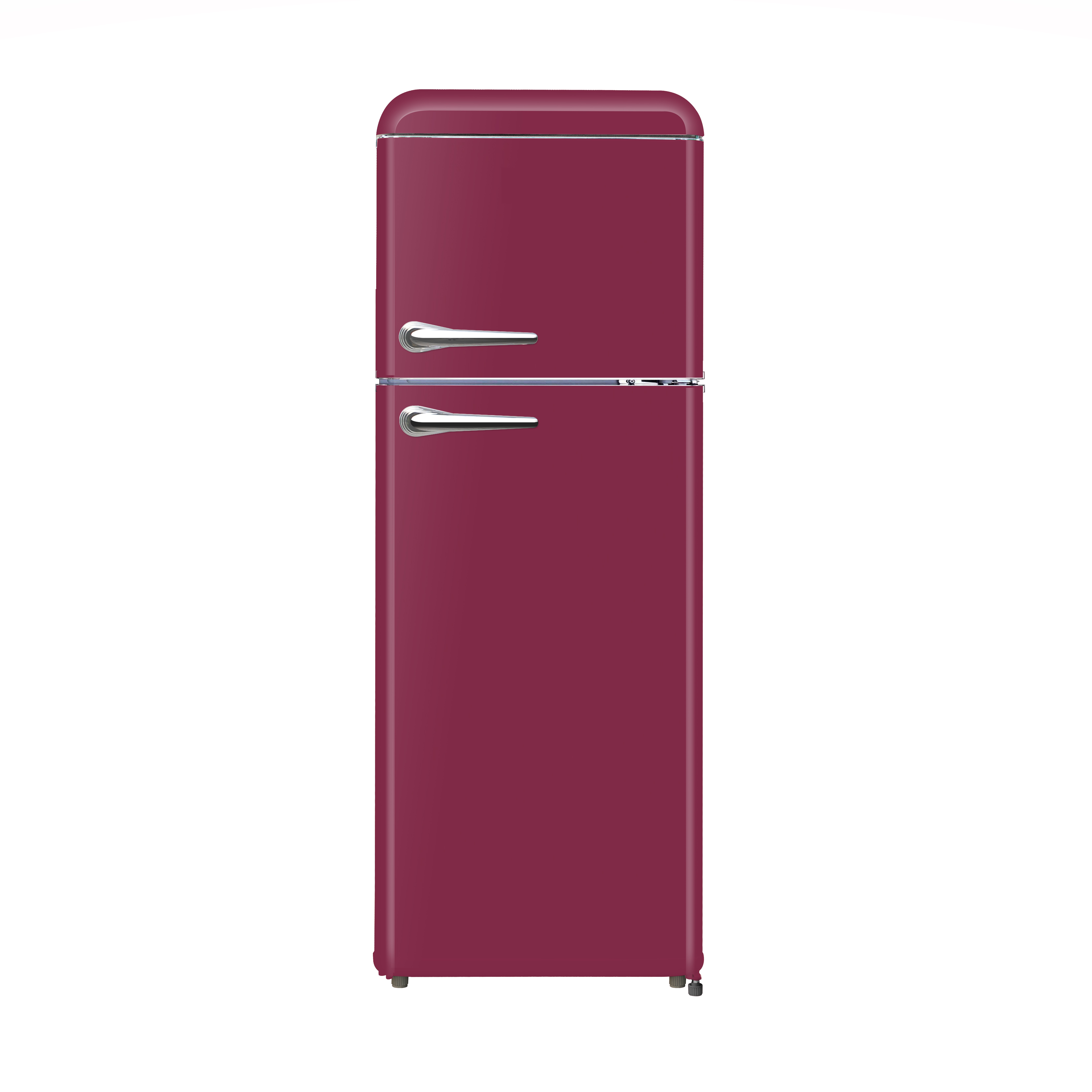
Growing brands in the appliance industry face a critical financial decision when considering expansion into refrigeration products. The choice between developing manufacturing capabilities internally or partnering with an established refrigerator OEM provider can determine profitability, speed to market, and long-term competitive positioning. For emerging companies with ambitious growth targets, the financial implications of this decision extend far beyond initial manufacturing costs.
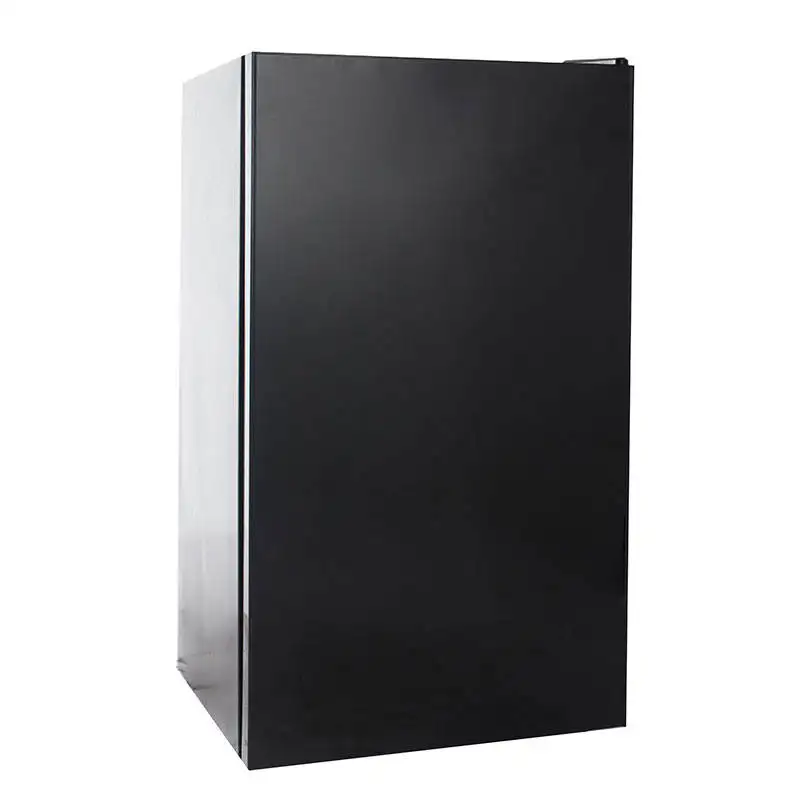
The refrigerator OEM model delivers measurable financial advantages that growing brands cannot afford to overlook. By leveraging established manufacturing expertise, companies can achieve significant cost reductions, accelerated revenue generation, and improved resource allocation while maintaining product quality and market competitiveness. These financial benefits create a foundation for sustainable growth and market expansion that would be difficult to achieve through internal manufacturing development.
Capital Investment Advantages
Reduced Infrastructure Requirements
Establishing an in-house refrigerator manufacturing facility requires substantial capital investment that can strain growing brands' financial resources. The typical setup costs for a modern refrigeration manufacturing plant range from several million to tens of millions of dollars, depending on production capacity and technology requirements. This capital commitment often exceeds the financial capabilities of emerging brands focused on market penetration and customer acquisition.
Refrigerator OEM partnerships eliminate these massive upfront investments by providing access to established manufacturing infrastructure. Growing brands can redirect their capital toward marketing, distribution, and product development activities that directly drive revenue generation. This strategic allocation of financial resources enables faster market entry and more aggressive competitive positioning without the burden of manufacturing facility debt service.
The financial impact extends beyond initial setup costs to include ongoing facility maintenance, equipment upgrades, and capacity expansion requirements. Manufacturing facilities require continuous investment to maintain efficiency and comply with evolving industry standards. Refrigerator OEM providers absorb these ongoing capital requirements, allowing growing brands to maintain predictable cost structures and focus financial planning on market-facing activities.
Equipment and Technology Access
Modern refrigerator manufacturing requires sophisticated equipment and technology systems that represent significant financial investments. Production lines, quality control systems, testing equipment, and automation technologies can cost millions of dollars and require specialized expertise to operate effectively. Growing brands often lack the financial resources to acquire state-of-the-art manufacturing technology while simultaneously investing in market development.
Working with a Refrigerator OEM provides immediate access to advanced manufacturing capabilities without capital investment requirements. Established OEM providers have already made these technology investments and spread costs across multiple client relationships. This shared cost structure enables growing brands to benefit from premium manufacturing capabilities at a fraction of the individual investment cost.
The technology access advantage becomes particularly valuable as manufacturing standards evolve and new efficiency requirements emerge. Refrigerator OEM providers continuously upgrade their capabilities to serve multiple clients, ensuring that growing brands always have access to current technology without additional investment. This ongoing technology access provides competitive advantages that would be financially prohibitive to achieve independently.
Operational Cost Benefits
Labor and Expertise Efficiency
Refrigerator manufacturing requires specialized expertise across multiple disciplines including engineering, quality control, supply chain management, and production optimization. Hiring and retaining this expertise represents a significant ongoing cost for growing brands, particularly when competing against established manufacturers for skilled professionals. The total cost of building internal manufacturing expertise often exceeds the direct labor costs due to recruitment, training, and retention challenges.
Refrigerator OEM partnerships provide immediate access to established teams of manufacturing experts without the associated hiring and retention costs. OEM providers maintain specialized workforces dedicated to refrigeration manufacturing, enabling growing brands to benefit from deep expertise without ongoing employment obligations. This access to specialized knowledge translates into improved product quality, faster production ramp-up, and reduced manufacturing defects that could impact brand reputation and warranty costs.
The expertise advantage extends to regulatory compliance and quality certification requirements that are essential for refrigerator products. OEM providers maintain current knowledge of safety standards, energy efficiency requirements, and certification processes across multiple markets. This regulatory expertise reduces compliance costs and accelerates market entry timelines, providing financial benefits through faster revenue generation and reduced legal risk exposure.
Supply Chain Optimization
Effective refrigerator manufacturing depends on sophisticated supply chain management to coordinate component sourcing, inventory management, and production scheduling. Growing brands often lack the purchasing volume and supplier relationships necessary to achieve optimal component pricing and reliable delivery schedules. Building these supply chain capabilities requires significant time and financial investment that delays market entry and increases operational costs.
Established refrigerator OEM providers leverage economies of scale across multiple client relationships to achieve superior component pricing and supply chain reliability. Their established supplier relationships and purchasing volume enable cost advantages that growing brands cannot achieve independently. These supply chain efficiencies translate directly into lower per-unit manufacturing costs and improved product margin potential.
The supply chain benefits extend to inventory management and working capital optimization. OEM providers maintain component inventory levels that serve multiple clients, reducing the working capital requirements that growing brands would face when managing individual supply chains. This improved working capital efficiency frees financial resources for market development and customer acquisition activities that drive revenue growth.
Market Entry and Revenue Acceleration
Faster Time-to-Market Implementation
The speed of market entry directly impacts revenue generation potential for growing brands entering the refrigerator market. Internal manufacturing development typically requires 12-24 months from initial planning to production capability, during which competitors continue capturing market share and customer relationships. This extended development timeline represents significant opportunity cost in terms of delayed revenue generation and competitive positioning.
Refrigerator OEM partnerships enable market entry within 3-6 months, depending on product specifications and customization requirements. This accelerated timeline allows growing brands to begin generating revenue and capturing market share while competitors are still developing their capabilities. The revenue acceleration benefit compounds over time as early market entry enables customer acquisition and brand recognition development that supports long-term growth.
Early market entry also provides valuable market feedback that enables product refinement and positioning optimization. Growing brands can iterate their product offerings based on real customer feedback rather than theoretical market research. This market-driven development approach reduces the risk of costly product modifications after significant manufacturing investments and improves long-term product success probability.
Scalability and Volume Flexibility
Growing brands face uncertainty regarding demand patterns and volume requirements that make internal manufacturing capacity planning challenging. Over-investing in production capacity creates fixed cost burdens that impact profitability during slower periods, while under-investing limits growth potential during peak demand periods. This capacity planning challenge becomes particularly acute for seasonal products or brands targeting rapid expansion.
Refrigerator OEM relationships provide flexible production capacity that adapts to actual demand patterns without fixed capacity investments. Growing brands can scale production volumes up or down based on market response and seasonal demand patterns. This volume flexibility enables more aggressive market testing and promotional activities without the financial risk associated with fixed manufacturing capacity.
The scalability advantage becomes particularly valuable during rapid growth phases when demand may exceed initial projections. OEM providers can typically accommodate volume increases more readily than internal facilities, enabling growing brands to capitalize on market opportunities without capacity constraints. This growth accommodation capability supports revenue maximization during peak demand periods and competitive market conditions.
Risk Management and Financial Predictability
Reduced Financial Risk Exposure
Manufacturing operations expose growing brands to multiple financial risks including equipment failures, quality control issues, regulatory compliance challenges, and market demand fluctuations. These risks can create unexpected costs that strain financial resources and impact profitability. For growing brands with limited financial reserves, manufacturing-related risks can threaten overall business viability and growth plans.
Refrigerator OEM partnerships transfer many manufacturing-related risks to established providers with greater resources and expertise to manage these challenges. OEM providers maintain insurance coverage, quality control systems, and regulatory compliance capabilities that reduce risk exposure for growing brands. This risk transfer enables more predictable financial planning and reduces the likelihood of unexpected costs that could impact growth initiatives.
The risk management advantage extends to product liability and warranty obligations that can create significant financial exposure for refrigerator manufacturers. OEM providers typically maintain comprehensive insurance coverage and quality control systems that reduce the likelihood of product defects and associated liability claims. This improved risk profile supports better insurance rates and reduced legal exposure for growing brands.
Predictable Cost Structure Development
Financial planning for growing brands requires predictable cost structures that enable accurate pricing and margin analysis. Internal manufacturing operations involve numerous variable costs including labor, utilities, maintenance, and compliance requirements that can fluctuate unpredictably. These cost variations make financial planning challenging and can impact profitability if not properly managed.
Refrigerator OEM relationships typically involve negotiated pricing structures that provide cost predictability over extended periods. Growing brands can plan their pricing and margin strategies based on known manufacturing costs rather than estimated internal production expenses. This cost predictability enables more aggressive competitive pricing and improved financial planning accuracy.
Predictable costs also enable better working capital management and cash flow planning for growing brands. Known manufacturing costs allow for more accurate inventory planning and customer payment terms that optimize working capital requirements. This improved financial predictability supports growth planning and enables more strategic allocation of financial resources toward market development activities.
FAQ
How much can growing brands save by using refrigerator OEM manufacturing instead of building internal capabilities?
Growing brands typically save 40-60% on initial capital requirements by partnering with refrigerator OEM providers instead of building internal manufacturing capabilities. This includes elimination of facility construction costs, equipment purchases, and initial workforce development expenses. Additionally, ongoing operational savings of 15-25% are common due to shared overhead costs, supply chain efficiencies, and specialized expertise access that OEM providers offer.
What is the typical timeline for revenue generation when using refrigerator OEM partnerships versus internal manufacturing development?
Refrigerator OEM partnerships enable revenue generation within 3-6 months compared to 12-24 months required for internal manufacturing development. This 6-18 month acceleration in time-to-market can result in significant additional revenue during the first year of operations. For growing brands, this early revenue generation often provides the cash flow necessary to fund continued expansion and market development activities.
How do refrigerator OEM partnerships impact long-term profitability for growing brands?
Refrigerator OEM partnerships typically improve long-term profitability through reduced fixed costs, improved asset utilization, and enhanced focus on core business activities. While per-unit manufacturing costs may be slightly higher than optimized internal production, the elimination of facility depreciation, equipment maintenance, and specialized workforce costs often results in better overall margins. Additionally, the ability to focus financial resources on marketing and distribution typically generates higher returns than manufacturing investments.
What financial risks do growing brands avoid by choosing refrigerator OEM manufacturing over internal production?
Growing brands avoid significant financial risks including equipment obsolescence, capacity underutilization, regulatory compliance costs, and quality control failures by partnering with refrigerator OEM providers. These risks can create unexpected expenses ranging from tens of thousands to millions of dollars depending on the severity and scope of issues. OEM partnerships transfer these risks to established providers with greater resources and expertise to manage manufacturing challenges effectively.
Table of Contents
- Capital Investment Advantages
- Operational Cost Benefits
- Market Entry and Revenue Acceleration
- Risk Management and Financial Predictability
-
FAQ
- How much can growing brands save by using refrigerator OEM manufacturing instead of building internal capabilities?
- What is the typical timeline for revenue generation when using refrigerator OEM partnerships versus internal manufacturing development?
- How do refrigerator OEM partnerships impact long-term profitability for growing brands?
- What financial risks do growing brands avoid by choosing refrigerator OEM manufacturing over internal production?