EN
EN

Choosing the right washing machine for your home can significantly impact your daily laundry routine, energy consumption, and overall satisfaction. The debate between top-load and front-load washing machines continues to divide consumers, with each design offering distinct advantages and considerations. Understanding the fundamental differences between these two washing machine types helps homeowners make informed decisions based on their specific needs, budget constraints, and living situations.
Modern washing machine technology has evolved considerably, incorporating advanced features that enhance cleaning performance while reducing environmental impact. Both top-load and front-load models now offer sophisticated wash cycles, energy-efficient operations, and smart connectivity options. The choice between these configurations often depends on personal preferences, physical limitations, installation requirements, and long-term cost considerations that extend beyond the initial purchase price.
Design and Loading Mechanisms
Top-Load Washing Machine Configuration
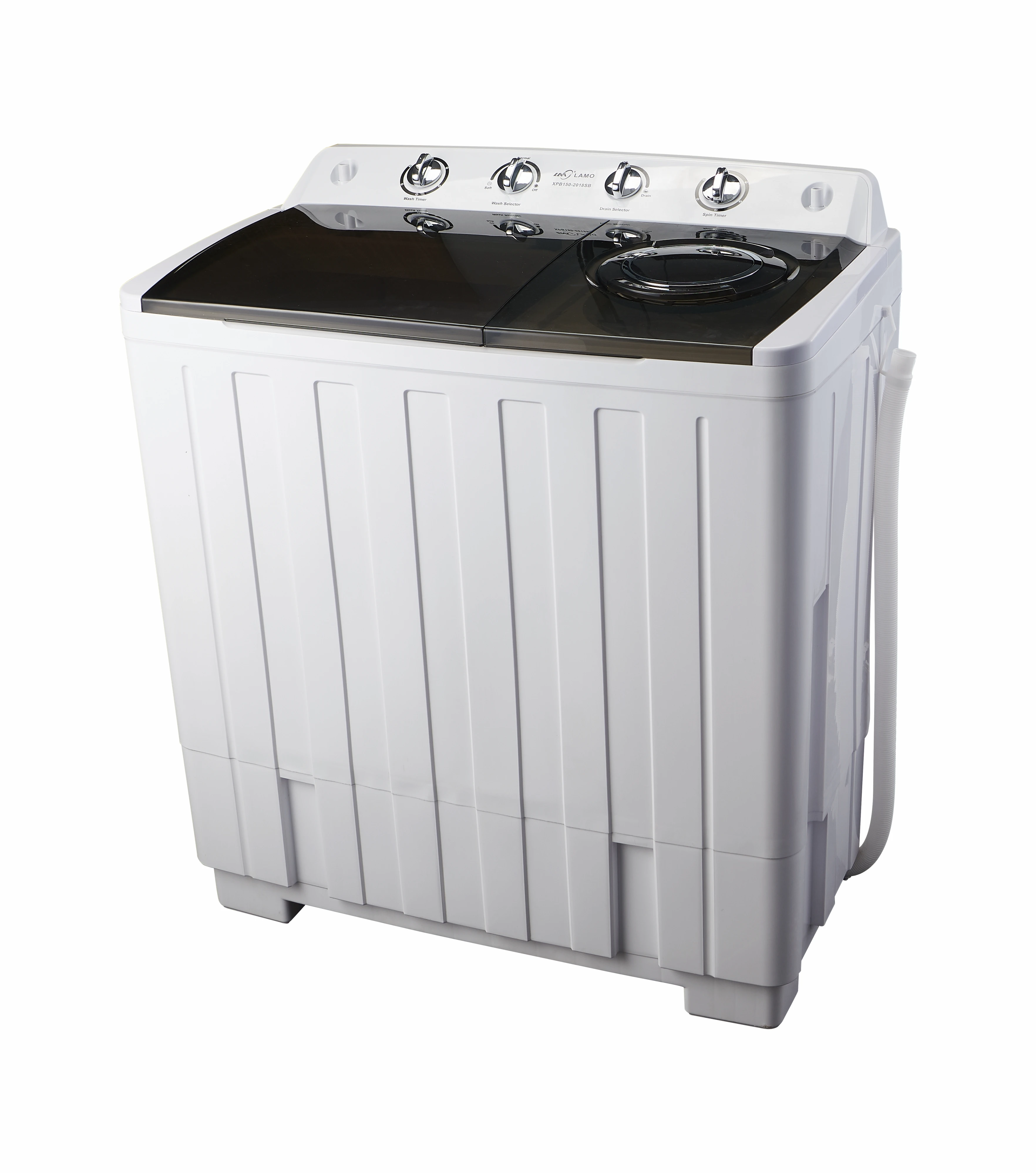
Top-load washing machines feature a vertical drum orientation with the loading door positioned on the top surface of the unit. This traditional design allows users to add clothes by lifting the lid and dropping items directly into the wash basket. The agitator or impeller mechanism located at the bottom center creates water movement and fabric agitation necessary for effective cleaning. Most top-load models require users to bend slightly when loading, making them accessible for individuals with back problems or mobility concerns.
The vertical axis washing machine design typically occupies less floor space in terms of depth, making it suitable for compact laundry areas or installations against walls. Top-load units generally measure between 25-28 inches in depth, compared to front-load models that often extend 30-34 inches. This space efficiency becomes particularly valuable in smaller homes, apartments, or dedicated laundry closets where every inch matters for functionality and movement.
Front-Load Washing Machine Architecture
Front-load washing machines utilize a horizontal drum configuration with the access door located on the front panel of the unit. This design requires users to bend down or kneel when loading and unloading laundry, which can present challenges for individuals with mobility restrictions or back issues. The horizontal axis allows gravity to assist in the washing process as clothes tumble through the water, creating effective cleaning action without the need for traditional agitators.
Front-loading models often feature stackable designs that maximize vertical space utilization in laundry areas. Many manufacturers offer matching dryer units that can be stacked directly above the washing machine, creating compact laundry solutions ideal for apartments, condominiums, or homes with limited space. This vertical configuration nearly doubles the capacity while maintaining the same floor footprint as a single unit installation.
Cleaning Performance and Technology
Wash Action Mechanisms
Top-load washing machines employ either agitator or impeller systems to create the mechanical action necessary for soil removal and fabric cleaning. Traditional agitator models feature a tall central post with fins or paddles that move back and forth, creating strong water currents and fabric movement. High-efficiency top-load models often use impeller systems with low-profile disc mechanisms that generate washing action through water circulation and gentle fabric manipulation.
The washing action in top-load units tends to be more aggressive, which can effectively remove stubborn stains and heavily soiled items. However, this intensive mechanical action may cause more wear on delicate fabrics over time. Modern top-load washing machine models incorporate multiple wash cycles and adjustable agitation levels to accommodate different fabric types and soil levels while maintaining effective cleaning performance.
Front-Load Cleaning Efficiency
Front-load washing machines utilize gravity-assisted tumbling action combined with high water extraction rates to achieve superior cleaning results. The horizontal drum design allows clothes to be lifted and dropped repeatedly through the wash solution, creating effective soil removal through mechanical action and extended contact time. This washing method typically uses less water and detergent while achieving better cleaning performance compared to traditional top-load models.
Advanced front-load washing machine technology includes steam cleaning cycles, allergen removal programs, and precision temperature control systems. These features enhance cleaning effectiveness for specific fabric types and soil conditions while maintaining gentle treatment of delicate items. The sealed drum design also enables higher spin speeds, resulting in reduced drying times and energy consumption for complete laundry cycles.
Water and Energy Efficiency
Water Consumption Patterns
Front-load washing machines generally consume significantly less water than traditional top-load models, using approximately 13-20 gallons per load compared to 20-40 gallons for conventional top-loading units. This efficiency stems from the horizontal drum design that requires only partial filling to achieve effective washing action. High-efficiency top-load washing machine models bridge this gap somewhat, using 14-25 gallons per load while maintaining the convenience of top-loading access.
Water level sensors and automatic load detection systems in modern units optimize water usage based on load size and fabric types. These intelligent systems prevent over-filling while ensuring adequate water coverage for effective cleaning. The reduced water consumption of efficient washing machine models translates to lower utility bills and reduced environmental impact over the appliance's lifespan.
Energy Performance Standards
Energy efficiency ratings for washing machines are measured by the Modified Energy Factor (MEF) and Water Factor (WF) standards established by the Department of Energy. Front-load models typically achieve higher MEF ratings due to superior water extraction capabilities and lower water heating requirements. The horizontal axis design enables spin speeds up to 1,200-1,400 RPM, removing more water during the spin cycle and reducing dryer energy consumption.
High-efficiency washing machine models in both configurations incorporate advanced motor technologies, improved insulation, and optimized wash algorithms to minimize energy consumption. ENERGY STAR certified units must meet strict efficiency guidelines, ensuring significant energy savings compared to standard models. These efficiency improvements contribute to lower operating costs and reduced carbon footprint over the appliance's operational life.
Installation and Space Requirements
Physical Dimensions and Placement
Top-load washing machines typically require clearance space above the unit for lid operation, generally necessitating 16-20 inches of overhead space. This requirement can limit installation options in areas with low ceilings, under staircases, or in compact laundry closets. However, the narrower depth profile of top-load models often compensates for this limitation by fitting into tighter spaces along walls or between fixtures.
Front-load washing machine installation offers greater flexibility in tight vertical spaces since no overhead clearance is needed for operation. These units can be installed under countertops, in alcoves, or beneath low-hanging cabinets without accessibility concerns. The ability to stack front-load units with compatible dryers creates efficient use of vertical space, making them ideal for apartment living or homes with dedicated laundry closets.
Utility Connections and Requirements
Both washing machine types require standard utility connections including hot and cold water supply lines, drainage systems, and electrical power. Front-load models may require additional considerations for vibration control due to higher spin speeds, potentially necessitating concrete pads or specialized mounting systems on upper floors. Proper leveling becomes critical for front-load units to prevent excessive movement during high-speed spin cycles.
Installation complexity for washing machine units varies depending on existing utility configurations and space constraints. Top-load models generally offer simpler installation processes with fewer mounting requirements, while front-load units may need additional preparation for optimal performance. Professional installation ensures proper connections, leveling, and vibration control regardless of the chosen washing machine configuration.
Maintenance and Longevity
Routine Care Requirements
Top-load washing machines typically require less frequent deep cleaning maintenance compared to front-load models. The vertical orientation allows better air circulation when the lid is left open after use, reducing moisture retention and mold growth potential. Regular cleaning involves wiping down the agitator, checking for lint buildup around the wash basket, and occasionally running cleaning cycles with washing machine cleaner or vinegar solutions.
Routine maintenance for top-load units includes inspecting hoses for wear or leaks, ensuring proper detergent usage to prevent residue buildup, and maintaining appropriate water levels for efficient operation. The simpler mechanical systems in many top-load washing machine models often result in fewer complex maintenance requirements and more straightforward troubleshooting when issues arise.
Long-Term Durability Factors
Front-load washing machines may require more diligent maintenance to prevent mold and mildew growth in the door seal area. The horizontal orientation and sealed design can trap moisture if proper ventilation practices are not followed. Regular cleaning of the door gasket, periodic cleaning cycles, and leaving the door slightly open after use help maintain optimal conditions and prevent odor development.
The mechanical complexity of modern washing machine systems in both configurations affects long-term reliability and repair costs. Front-load models with advanced electronic controls and high-speed components may experience different failure patterns compared to simpler top-load designs. Proper installation, regular maintenance, and adherence to manufacturer guidelines significantly impact the operational lifespan of any washing machine type.
Cost Considerations and Value
Initial Purchase Investment
Top-load washing machines generally offer lower entry-level pricing compared to front-load models with similar capacity ratings. Basic top-load units with traditional agitator systems can be found at budget-friendly price points, making them accessible for cost-conscious consumers or temporary housing situations. High-efficiency top-load models with advanced features command higher prices but still typically cost less than comparable front-load washing machine units.
Premium front-load washing machines often justify higher initial costs through superior energy efficiency, advanced features, and enhanced cleaning performance. The price differential between configurations has narrowed as manufacturing volumes have increased and technology has matured. When evaluating purchase decisions, consumers should consider both upfront costs and long-term operating expenses to determine the best value proposition for their specific situations.
Operating Cost Analysis
Long-term operating costs for washing machines include energy consumption, water usage, detergent requirements, and maintenance expenses. Front-load models typically demonstrate lower per-load operating costs due to reduced water and energy consumption, despite higher initial purchase prices. The efficiency gains can result in significant savings over the appliance's lifespan, particularly in areas with high utility rates.
Repair costs and service accessibility vary between washing machine configurations based on mechanical complexity and component availability. Top-load models with simpler designs may offer lower repair costs and easier access for service technicians. However, the reduced frequency of repairs needed for well-maintained units of either type often minimizes the impact of repair cost differences on total ownership expenses.
FAQ
Which washing machine type lasts longer
Both top-load and front-load washing machines can provide excellent longevity when properly maintained, typically lasting 10-15 years with regular use. Top-load models with traditional agitator systems often have fewer complex components, potentially resulting in fewer repair needs over time. Front-load units may require more diligent maintenance but offer superior efficiency throughout their operational life. The key factors affecting longevity include build quality, maintenance practices, usage patterns, and proper installation regardless of configuration type.
Are front-load washers worth the extra cost
Front-load washing machines typically justify higher initial costs through superior energy and water efficiency, better cleaning performance, and space-saving installation options. The reduced operating costs from lower utility consumption can offset the price premium over the appliance's lifespan, particularly for households with high laundry volumes. Additional benefits include gentler fabric care, higher spin speeds for faster drying, and stackable designs for space optimization. The value proposition depends on individual priorities regarding efficiency, features, and long-term cost considerations.
Do top-load washers clean as well as front-load models
Modern high-efficiency top-load washing machines provide excellent cleaning performance that rivals front-load models for most soil types and fabric conditions. Traditional agitator-style top-load units excel at removing heavy soils and stains through aggressive mechanical action, while front-load models achieve superior results through extended wash times and optimized water-to-fabric ratios. The cleaning effectiveness depends more on specific model features, wash cycle selection, and proper detergent usage than solely on the loading configuration.
Which type is better for people with mobility issues
Top-load washing machines generally offer better accessibility for individuals with mobility limitations, back problems, or those who use wheelchairs. The vertical loading design eliminates the need to bend down significantly when adding or removing laundry. However, reaching the bottom of deep top-load drums can still present challenges for shorter individuals or those with limited reach. Front-load models can be installed on pedestal bases to raise the opening height, improving accessibility for some users while maintaining the benefits of horizontal-axis washing technology.