EN
EN


Modern global markets demand unprecedented levels of energy efficiency from household appliances, creating significant challenges for manufacturing facilities worldwide. When examining how a refrigerator factory adapts to these evolving standards, the complexity becomes immediately apparent as facilities must balance regulatory compliance, production costs, and technological innovation. The transformation process requires comprehensive changes to manufacturing processes, quality control systems, and supply chain management to ensure every unit meets stringent international requirements.
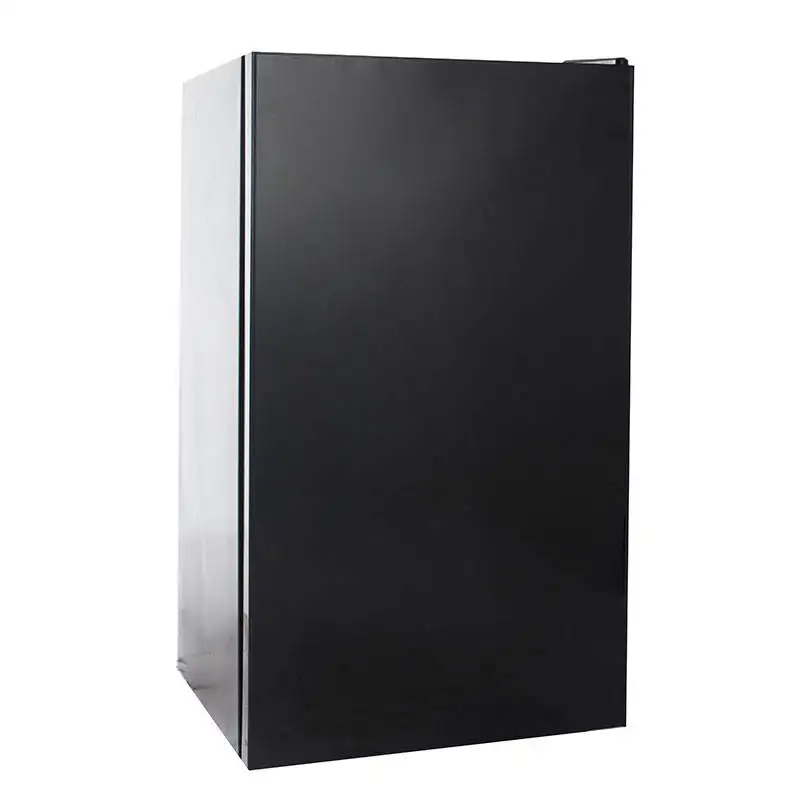
The adaptation journey for a modern refrigerator factory involves multiple interconnected strategies that extend far beyond simple component upgrades. Manufacturing facilities must implement systematic approaches to technology integration, workforce training, regulatory compliance monitoring, and continuous improvement processes. These adaptations ensure that production capabilities align with increasingly demanding energy efficiency standards while maintaining competitive pricing and reliable delivery schedules for global markets.
Understanding the Regulatory Landscape for Energy Efficiency
Global Standards Framework and Regional Variations
The regulatory environment surrounding energy efficiency standards presents a complex web of requirements that every refrigerator factory must navigate carefully. International standards such as those established by the International Energy Agency provide foundational guidelines, while regional specifications from the European Union, United States Department of Energy, and various national bodies create specific compliance requirements. These standards continuously evolve, with new efficiency ratings and testing methodologies being introduced regularly to address environmental concerns and energy conservation goals.
Manufacturing facilities must establish dedicated compliance teams that monitor regulatory changes across all target markets. This involves tracking updates to energy labeling requirements, minimum efficiency performance standards, and testing protocols that affect production specifications. The regulatory landscape also includes emerging standards for refrigerant types, insulation materials, and compressor technologies that directly impact manufacturing processes and component sourcing decisions.
Regional variations in energy efficiency standards require sophisticated adaptation strategies from any Refrigerator Factory serving international markets. European standards typically emphasize lifecycle environmental impact, while North American regulations focus heavily on annual energy consumption metrics. Asian markets often incorporate both approaches while adding specific requirements for tropical climate performance and humidity resistance.
Compliance Monitoring and Documentation Systems
Effective adaptation requires robust systems for tracking compliance across multiple product lines and market destinations. Modern refrigerator factory operations implement comprehensive documentation management systems that maintain detailed records of testing results, component certifications, and production quality metrics. These systems enable rapid response to regulatory inquiries and provide the traceability necessary for international market access.
The documentation requirements extend beyond basic energy consumption data to include detailed analysis of refrigerant efficiency, insulation performance, and component lifecycle assessments. Manufacturing facilities must maintain extensive databases that track material sourcing, production methodologies, and quality control procedures for each product variant. This comprehensive approach ensures that compliance verification can be provided quickly and accurately when required by regulatory authorities or international customers.
Advanced refrigerator factory operations utilize integrated software systems that automatically generate compliance reports and flag potential issues before they impact production schedules. These systems connect quality control testing equipment directly to regulatory databases, enabling real-time monitoring of energy efficiency performance throughout the manufacturing process.
Manufacturing Process Modifications for Enhanced Efficiency
Production Line Technology Upgrades
Adapting to energy efficiency standards requires significant modifications to traditional manufacturing processes, beginning with comprehensive upgrades to production line technology. Modern refrigerator factory operations implement advanced assembly techniques that ensure precise component alignment and optimal insulation placement. These modifications directly impact the energy performance of finished products by eliminating thermal bridges and improving overall system efficiency.
The integration of automated testing stations throughout the production line enables continuous monitoring of energy efficiency parameters during assembly. These systems verify compressor performance, refrigerant charging accuracy, and door seal integrity at multiple stages of production. Advanced manufacturing facilities utilize robotic systems for critical assembly operations, ensuring consistent quality and precision that directly contributes to energy efficiency performance.
Temperature-controlled manufacturing environments become essential for producing energy-efficient refrigeration units, as ambient conditions during assembly can significantly impact component performance. Refrigerator factory operations implement sophisticated climate control systems that maintain optimal humidity and temperature levels throughout production areas. This environmental control ensures that insulation materials achieve maximum effectiveness and that electronic components function within specified parameters.
Quality Control and Testing Protocol Enhancement
Enhanced quality control procedures form the backbone of energy efficiency adaptation strategies, requiring comprehensive testing protocols that verify performance against multiple international standards simultaneously. Modern refrigerator factory facilities establish dedicated testing laboratories equipped with advanced calorimetric chambers and energy measurement systems. These facilities conduct extensive performance validation testing that goes beyond basic compliance requirements to ensure optimal efficiency across various operating conditions.
The testing protocols encompass comprehensive evaluation of thermal performance, refrigerant circulation efficiency, and electronic control system optimization. Each unit undergoes rigorous testing cycles that simulate real-world operating conditions across different climate zones and usage patterns. This thorough approach ensures that products maintain consistent energy efficiency performance throughout their operational lifespan.
Statistical process control methods enable refrigerator factory operations to identify trends and variations in energy efficiency performance before they impact large production volumes. These systems track key performance indicators across multiple production shifts and identify correlations between manufacturing variables and final product efficiency ratings. This data-driven approach enables continuous improvement initiatives that consistently enhance energy efficiency outcomes.
Supply Chain Adaptation and Component Sourcing
Strategic Supplier Partnership Development
Meeting evolving energy efficiency standards requires fundamental changes to supply chain relationships and component sourcing strategies. A forward-thinking refrigerator factory develops strategic partnerships with suppliers who demonstrate consistent innovation in energy-efficient component technologies. These partnerships extend beyond traditional vendor relationships to include collaborative research and development initiatives that advance efficiency capabilities across the entire supply chain.
The supplier selection process incorporates comprehensive evaluation criteria that assess technological capabilities, quality management systems, and commitment to environmental sustainability. Manufacturing facilities conduct detailed audits of supplier facilities to verify compliance with international standards and ensure consistent quality delivery. This thorough vetting process helps ensure that all components contribute positively to overall product energy efficiency performance.
Long-term supplier development programs enable refrigerator factory operations to influence component innovation and ensure access to cutting-edge efficiency technologies. These programs include joint investment in research and development activities, shared quality improvement initiatives, and collaborative approaches to regulatory compliance. Such partnerships create competitive advantages through access to advanced materials and technologies that enhance energy efficiency performance.
Advanced Component Integration and Optimization
The integration of advanced energy-efficient components requires sophisticated understanding of system interactions and optimization opportunities. Modern refrigerator factory operations implement comprehensive component testing programs that evaluate efficiency performance under various operating conditions. This testing identifies optimal combinations of compressors, insulation materials, and electronic controls that maximize overall system efficiency.
Component optimization extends to detailed analysis of refrigerant systems, heat exchanger designs, and insulation configurations that contribute to energy efficiency performance. Manufacturing facilities utilize advanced simulation software to model thermal performance and identify opportunities for efficiency improvements through component selection and system design modifications. This analytical approach enables continuous refinement of product designs to meet increasingly stringent efficiency standards.
The procurement process for energy-efficient components incorporates lifecycle cost analysis and performance verification testing to ensure optimal value delivery. Refrigerator factory operations maintain detailed databases of component performance characteristics and supplier capabilities that support informed decision-making for efficiency optimization initiatives. This comprehensive approach ensures that component investments contribute effectively to overall energy efficiency objectives.
Technology Integration and Innovation Implementation
Advanced Control System Development
The implementation of sophisticated electronic control systems represents a crucial adaptation strategy for improving energy efficiency in modern refrigeration products. A technologically advanced refrigerator factory integrates intelligent control algorithms that optimize compressor operation, defrost cycles, and temperature management based on usage patterns and environmental conditions. These systems continuously monitor performance parameters and adjust operations to maintain optimal efficiency while preserving food storage quality.
Variable speed compressor technologies require specialized manufacturing capabilities and precise calibration procedures to achieve maximum efficiency benefits. Manufacturing facilities invest in advanced testing equipment and calibration systems that ensure optimal performance across various load conditions. The integration of these technologies demands comprehensive training programs for production personnel and sophisticated quality control procedures that verify proper operation.
Smart connectivity features enable remote monitoring and optimization of energy efficiency performance, requiring integration of communication modules and data processing capabilities. Refrigerator factory operations develop specialized assembly procedures for electronic components and implement comprehensive testing protocols that verify connectivity and control system functionality. These advanced features provide valuable performance data that supports continuous improvement initiatives and customer satisfaction enhancement.
Material Science Advances and Implementation
The adoption of advanced insulation materials and energy-efficient refrigerants requires significant modifications to manufacturing processes and quality control procedures. Modern refrigerator factory facilities implement specialized handling and processing equipment for advanced foam insulation systems that provide superior thermal performance. These materials often require precise temperature and humidity control during application to achieve optimal efficiency characteristics.
Next-generation refrigerants with improved environmental and efficiency characteristics necessitate comprehensive updates to manufacturing equipment and procedures. Production facilities must modify charging systems, leak testing protocols, and safety procedures to accommodate new refrigerant technologies while maintaining strict quality standards. These adaptations ensure compliance with environmental regulations while delivering enhanced energy efficiency performance.
The integration of advanced materials requires extensive testing and validation procedures to verify performance characteristics and long-term reliability. Refrigerator factory operations establish dedicated materials testing laboratories that evaluate thermal performance, durability, and environmental resistance under various operating conditions. This comprehensive testing approach ensures that material advances translate into consistent energy efficiency improvements in production units.
Workforce Development and Training Initiatives
Technical Skills Enhancement Programs
Successful adaptation to energy efficiency standards requires comprehensive workforce development programs that ensure production personnel possess the skills necessary for advanced manufacturing processes. A modern refrigerator factory implements structured training curricula that cover energy efficiency principles, advanced assembly techniques, and quality control procedures specific to high-efficiency products. These programs combine theoretical knowledge with hands-on practical experience to develop expertise in energy-efficient manufacturing practices.
Specialized training modules address the unique requirements of energy-efficient component handling, testing procedures, and troubleshooting techniques. Production personnel receive extensive instruction in the proper installation of advanced insulation systems, precise refrigerant charging procedures, and electronic control system calibration. This comprehensive training ensures consistent quality and efficiency performance across all production activities.
Continuous education programs keep manufacturing teams current with evolving technologies and regulatory requirements that affect energy efficiency performance. Refrigerator factory operations establish partnerships with technical institutions and component suppliers to provide ongoing training opportunities that enhance workforce capabilities. These initiatives ensure that production teams can effectively implement new technologies and maintain compliance with changing efficiency standards.
Quality Culture Development and Continuous Improvement
Creating a culture of quality and continuous improvement becomes essential for maintaining energy efficiency performance standards across all production activities. Manufacturing facilities implement comprehensive quality management systems that emphasize employee engagement in efficiency improvement initiatives. These programs encourage workers to identify opportunities for process enhancement and contribute to energy efficiency optimization efforts.
Team-based problem-solving initiatives enable production personnel to collaborate on efficiency improvement projects and share best practices across different production areas. Refrigerator factory operations establish formal suggestion systems and recognition programs that reward contributions to energy efficiency enhancement. This collaborative approach harnesses the collective expertise of the workforce to drive continuous improvement in manufacturing processes and product performance.
Performance measurement systems track individual and team contributions to energy efficiency objectives, providing feedback and recognition for excellence in efficiency-focused manufacturing practices. These systems create accountability for efficiency performance while encouraging innovation and process improvement at all levels of the organization. The result is a workforce that actively contributes to the facility's ability to meet and exceed energy efficiency standards.
FAQ
How long does it typically take for a refrigerator factory to fully adapt to new energy efficiency standards?
Complete adaptation to new energy efficiency standards typically requires 12 to 18 months for a well-prepared refrigerator factory, depending on the scope of required changes. This timeline includes equipment modifications, supplier qualification, workforce training, and production validation testing. Facilities with established quality management systems and supplier relationships can often complete adaptations more quickly, while those requiring major equipment upgrades may need additional time for implementation and validation.
What are the primary cost factors when adapting manufacturing processes for energy efficiency compliance?
The major cost factors include production equipment upgrades, advanced component sourcing, testing facility enhancements, and workforce training programs. Equipment modifications for handling advanced materials and precision assembly can represent significant capital investments, while ongoing costs include premium pricing for energy-efficient components and expanded quality control testing. However, these investments typically generate returns through improved market access, premium pricing opportunities, and operational efficiency gains.
How do energy efficiency adaptations affect production capacity and manufacturing flexibility?
Energy efficiency adaptations can temporarily reduce production capacity during implementation phases, but properly planned upgrades often improve long-term manufacturing efficiency and flexibility. Advanced automation and precision assembly systems can increase production rates while improving quality consistency. The key is implementing changes systematically to minimize disruption while building capabilities that support multiple product lines and efficiency standards simultaneously.
What role does predictive maintenance play in maintaining energy efficiency performance standards?
Predictive maintenance becomes crucial for ensuring consistent energy efficiency performance as manufacturing equipment becomes more sophisticated and precision-dependent. Advanced monitoring systems track equipment performance parameters and predict maintenance needs before they impact product quality or efficiency. This proactive approach prevents efficiency degradation and reduces unplanned downtime while maintaining the tight tolerances required for energy-efficient product manufacturing.
Table of Contents
- Understanding the Regulatory Landscape for Energy Efficiency
- Manufacturing Process Modifications for Enhanced Efficiency
- Supply Chain Adaptation and Component Sourcing
- Technology Integration and Innovation Implementation
- Workforce Development and Training Initiatives
-
FAQ
- How long does it typically take for a refrigerator factory to fully adapt to new energy efficiency standards?
- What are the primary cost factors when adapting manufacturing processes for energy efficiency compliance?
- How do energy efficiency adaptations affect production capacity and manufacturing flexibility?
- What role does predictive maintenance play in maintaining energy efficiency performance standards?