EN
EN

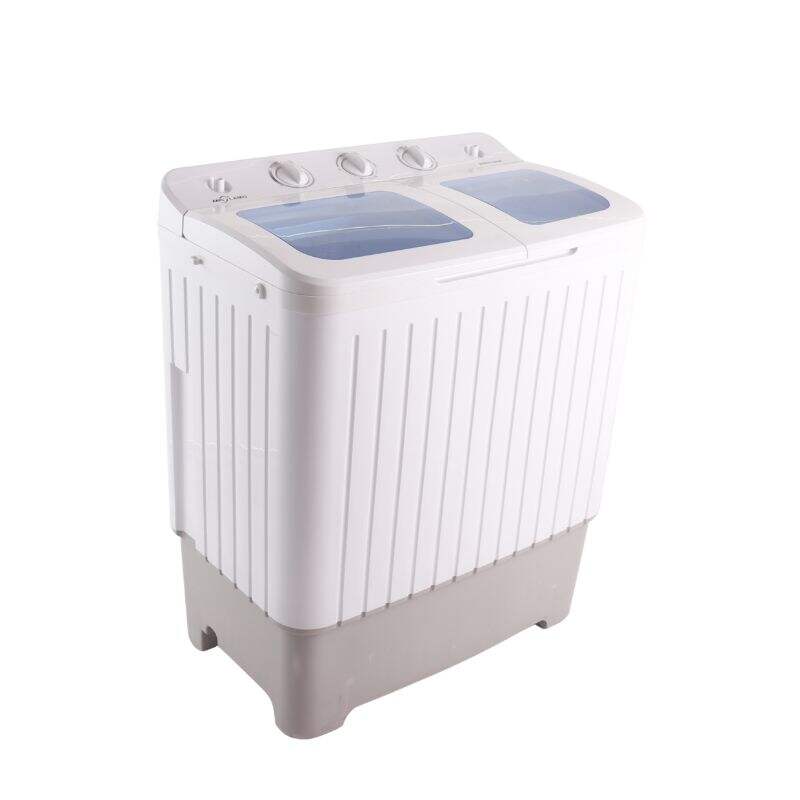
Innovation drives the evolution of modern appliances, and at the heart of every successful refrigerator factory lies a dedicated research and development center that transforms ideas into cutting-edge cooling solutions. The R&D center serves as the intellectual powerhouse where engineering expertise meets market demands, creating refrigeration technologies that define industry standards and consumer expectations. This collaborative environment fosters breakthrough innovations that enhance energy efficiency, improve user experience, and address emerging market needs across residential and commercial applications.
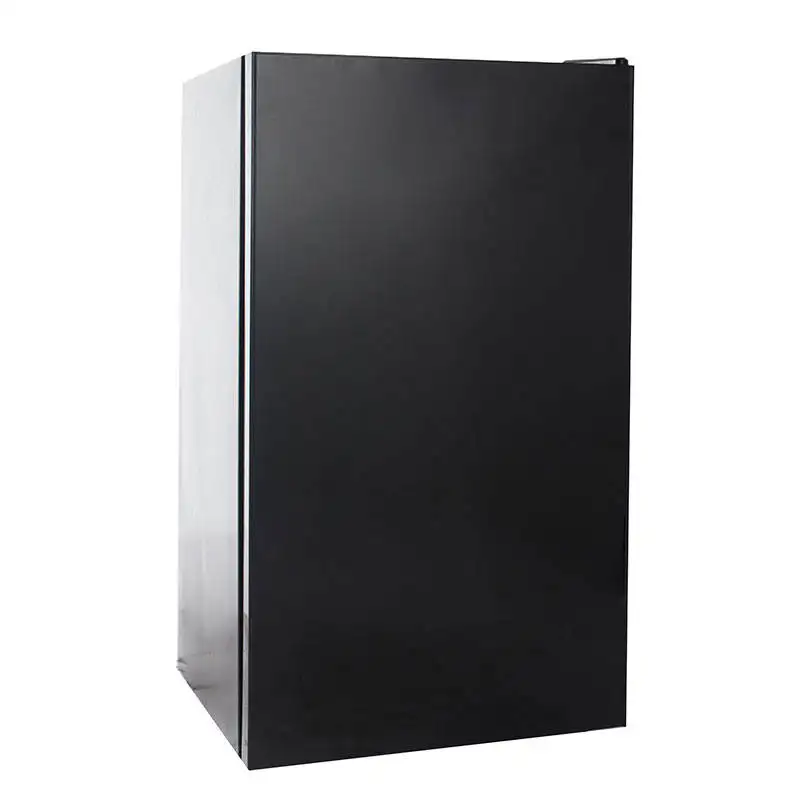
The partnership between production capabilities and research innovation distinguishes a forward-thinking refrigerator factory from conventional manufacturing operations. Through systematic collaboration between R&D teams and manufacturing specialists, these facilities develop proprietary technologies that enhance product performance while optimizing production efficiency. This integrated approach ensures that theoretical innovations translate into practical, market-ready solutions that meet stringent quality standards and competitive pricing requirements in the global appliance market.
Foundation of Innovation Excellence
Strategic Research Infrastructure
The R&D center within a modern refrigerator factory represents a significant investment in technological advancement and market leadership. These facilities typically encompass specialized laboratories equipped with advanced testing equipment, climate simulation chambers, and prototype development areas that enable comprehensive product evaluation. The infrastructure supports multiple research streams simultaneously, from fundamental thermodynamic studies to applied engineering solutions that address specific market segments and consumer preferences.
Research teams collaborate across disciplines, integrating mechanical engineering, electrical systems, materials science, and software development to create holistic solutions. This multidisciplinary approach ensures that innovations consider all aspects of refrigerator performance, from compressor efficiency and insulation effectiveness to smart connectivity features and user interface design. The systematic methodology employed in these centers transforms conceptual ideas into measurable improvements that enhance both product functionality and manufacturing efficiency.
Collaborative Innovation Culture
The success of R&D initiatives in a refrigerator factory depends heavily on fostering a collaborative culture that encourages creative problem-solving and cross-functional teamwork. Research engineers work closely with production teams to understand manufacturing constraints and opportunities, ensuring that innovative designs remain practical and cost-effective for large-scale implementation. This partnership approach prevents the development of theoretical solutions that cannot be efficiently manufactured or maintained in real-world applications.
Regular knowledge-sharing sessions and project reviews create an environment where insights flow freely between departments, accelerating the innovation cycle and reducing time-to-market for new technologies. The collaborative framework also incorporates feedback from quality control, customer service, and market research teams, ensuring that R&D efforts align with actual consumer needs and market trends rather than pursuing innovation for its own sake.
Technology Development Process
Systematic Innovation Methodology
The R&D center employs a structured approach to technology development that balances creative exploration with practical implementation requirements. Research projects typically begin with market analysis and consumer feedback evaluation, identifying specific performance gaps or emerging needs that present opportunities for innovation. This market-driven approach ensures that research efforts focus on solutions that will generate meaningful value for both consumers and the refrigerator factory in terms of competitive advantage and profitability.
The development process incorporates multiple validation stages, from computer modeling and simulation to prototype testing and pilot production runs. Each stage provides opportunities to refine concepts, optimize performance parameters, and identify potential manufacturing challenges before full-scale implementation. This systematic approach minimizes risks associated with new technology introduction while maximizing the likelihood of successful market acceptance and long-term product viability.
Advanced Testing and Validation
Comprehensive testing protocols form the backbone of R&D operations, ensuring that innovative solutions meet rigorous performance standards before integration into production models. Environmental testing chambers simulate extreme operating conditions, evaluating how new technologies perform across various temperature ranges, humidity levels, and usage patterns. These facilities enable researchers to accelerate aging studies and reliability assessments, predicting long-term performance characteristics without waiting for years of real-world operation.
Performance validation extends beyond basic functionality to encompass energy efficiency measurements, noise level assessments, and durability testing under accelerated stress conditions. The R&D center maintains detailed databases of test results and performance metrics, creating valuable knowledge repositories that inform future development projects and support continuous improvement initiatives throughout the refrigerator factory operations.
Market-Driven Innovation Focus
Consumer Needs Analysis
The R&D center serves as a critical bridge between consumer expectations and manufacturing capabilities, translating market feedback into actionable development priorities. Research teams conduct extensive analysis of consumer usage patterns, preferences, and pain points to identify opportunities for meaningful innovation. This consumer-centric approach ensures that R&D investments target real-world problems and deliver tangible benefits that justify product differentiation in competitive markets.
Market research integration involves continuous monitoring of industry trends, regulatory changes, and technological developments that could impact future product requirements. The refrigerator factory benefits from this forward-looking perspective by preparing for emerging standards and consumer expectations before they become market requirements. This proactive approach enables the development of solutions that anticipate rather than react to market changes, providing significant competitive advantages in rapidly evolving appliance markets.
Sustainable Technology Development
Environmental sustainability has become a central focus of R&D efforts, driving innovation in energy-efficient technologies, eco-friendly refrigerants, and recyclable materials. The research center develops solutions that minimize environmental impact throughout the product lifecycle, from manufacturing processes to end-of-life disposal considerations. These initiatives align with global sustainability trends while addressing regulatory requirements and consumer preferences for environmentally responsible products.
Sustainable innovation projects often require collaboration with external research institutions, suppliers, and industry organizations to develop comprehensive solutions that address complex environmental challenges. The refrigerator factory leverages these partnerships to access specialized expertise and share development costs while contributing to industry-wide sustainability initiatives that benefit all market participants.
Competitive Advantage Through Innovation
Proprietary Technology Development
The R&D center creates proprietary technologies that differentiate the refrigerator factory products from competitors while providing intellectual property assets that generate long-term value. These innovations might include advanced compressor designs, intelligent temperature control systems, or novel insulation materials that deliver superior performance characteristics. Proprietary technologies enable premium positioning and support higher profit margins while establishing technical barriers that protect market share.
Intellectual property development requires careful balance between innovation protection and market accessibility. The R&D team works closely with patent specialists and legal advisors to secure appropriate protections while avoiding overly complex designs that compromise manufacturing efficiency or product reliability. This strategic approach ensures that proprietary innovations contribute meaningfully to competitive positioning without creating unnecessary operational complications.
Manufacturing Integration Excellence
The partnership between R&D and manufacturing operations enables seamless technology transfer from concept to production, minimizing implementation challenges and optimization delays. Research teams design innovations with manufacturing constraints and capabilities in mind, ensuring that new technologies can be efficiently produced using existing equipment and processes where possible. This integration approach reduces capital investment requirements while accelerating time-to-market for innovative features.
Production optimization studies conducted by the R&D center identify opportunities to enhance manufacturing efficiency while implementing new technologies. These efforts often result in process improvements that benefit both innovative and conventional product lines, demonstrating how research investments generate value across the entire refrigerator factory operation rather than limiting benefits to specific product categories.
Future-Focused Development Strategy
Emerging Technology Exploration
The R&D center maintains active research programs exploring emerging technologies that could revolutionize refrigeration applications in the coming decades. These forward-looking initiatives might include solid-state cooling systems, advanced smart home integration capabilities, or novel preservation technologies that extend food freshness beyond current standards. Early-stage research provides the refrigerator factory with insights into potential disruptions and opportunities that could reshape industry dynamics.
Emerging technology research often involves partnerships with universities, research institutes, and technology companies that possess specialized expertise in relevant fields. These collaborative relationships provide access to cutting-edge knowledge and research capabilities while sharing development risks and costs among multiple participants. The diversified approach to emerging technology exploration ensures that the refrigerator factory maintains awareness of potential breakthrough innovations across multiple research domains.
Digital Integration and Smart Features
Digital technology integration represents a major focus area for R&D centers, addressing growing consumer demand for smart appliances that integrate seamlessly with connected home ecosystems. Research teams develop intelligent control systems, predictive maintenance capabilities, and user interface solutions that enhance convenience while providing valuable data insights for both consumers and manufacturers. These digital innovations create new value propositions that extend beyond traditional refrigeration functions.
Smart feature development requires expertise in software engineering, data analytics, and cybersecurity alongside traditional mechanical and electrical engineering skills. The refrigerator factory benefits from this multidisciplinary capability by developing comprehensive solutions that address both functional and connectivity requirements. This holistic approach ensures that digital features enhance rather than complicate the user experience while maintaining the reliability and performance standards expected from quality refrigeration products.
FAQ
How does an R&D center contribute to refrigerator factory competitiveness?
An R&D center enhances competitiveness by developing proprietary technologies, improving manufacturing efficiency, and creating innovative features that differentiate products in the marketplace. The center enables the refrigerator factory to anticipate market trends, address emerging consumer needs, and establish technical advantages that support premium positioning and market share protection.
What types of innovations typically emerge from refrigerator factory R&D centers?
Common innovations include energy-efficient compressor technologies, advanced temperature control systems, smart connectivity features, improved insulation materials, and sustainable refrigerants. These developments focus on enhancing performance, reducing environmental impact, and improving user convenience while maintaining manufacturing feasibility and cost-effectiveness.
How do R&D centers ensure innovations can be successfully manufactured?
R&D centers maintain close collaboration with manufacturing teams throughout the development process, considering production constraints and capabilities from initial concept stages. This partnership approach includes prototype testing using production equipment, pilot runs to validate manufacturing processes, and continuous optimization to ensure innovations can be efficiently implemented at scale.
What role does market feedback play in refrigerator factory R&D activities?
Market feedback serves as a primary driver for R&D priorities, helping research teams identify real consumer needs and performance gaps that represent meaningful innovation opportunities. The refrigerator factory uses customer insights, warranty data, and market research to guide development efforts, ensuring that innovations address actual problems rather than pursuing technology advancement without clear market value.
Table of Contents
- Foundation of Innovation Excellence
- Technology Development Process
- Market-Driven Innovation Focus
- Competitive Advantage Through Innovation
- Future-Focused Development Strategy
-
FAQ
- How does an R&D center contribute to refrigerator factory competitiveness?
- What types of innovations typically emerge from refrigerator factory R&D centers?
- How do R&D centers ensure innovations can be successfully manufactured?
- What role does market feedback play in refrigerator factory R&D activities?