EN
EN


The appliance retail industry has witnessed tremendous growth in recent years, with washing machines representing one of the most essential household products that consumers prioritize when setting up their homes. Finding a reliable washing machine manufacturer is crucial for retail businesses looking to establish a strong market presence and deliver quality products to their customers. The success of your retail business largely depends on the partnerships you form with manufacturers who can provide consistent quality, competitive pricing, and reliable delivery schedules that meet your customers' expectations and business requirements.
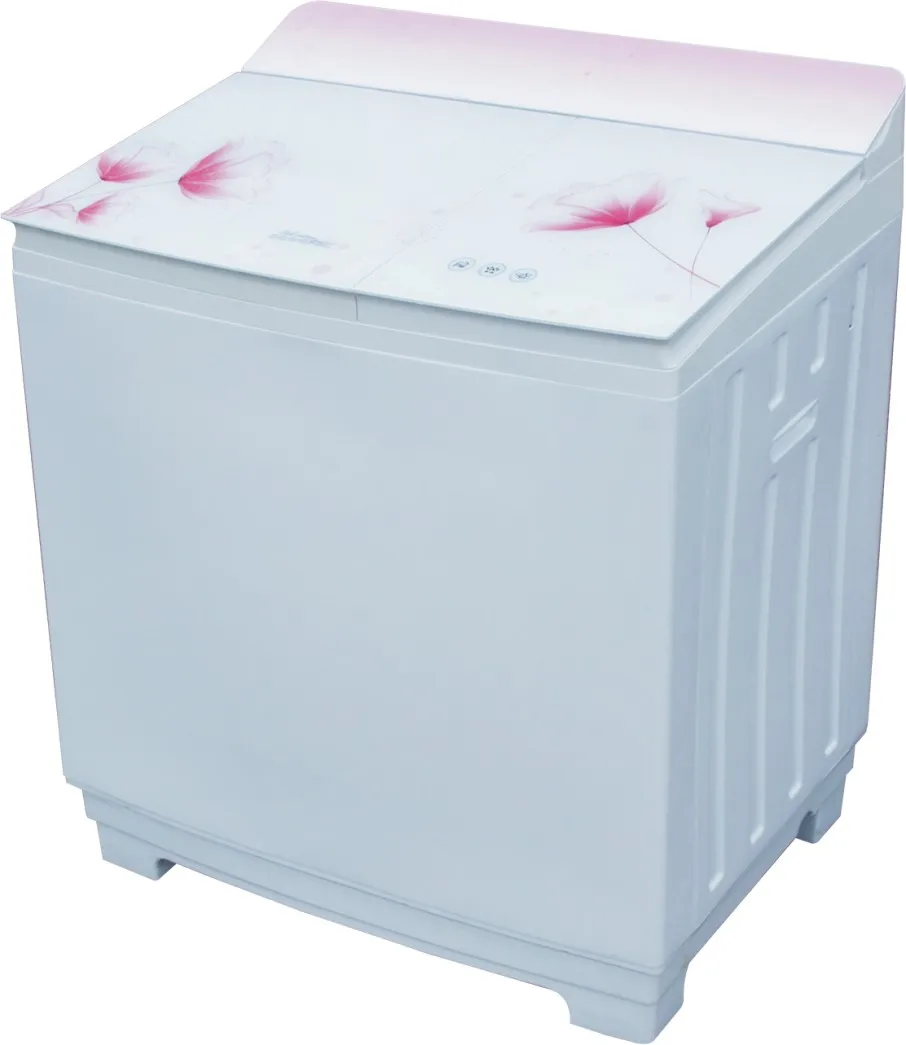
The landscape of home appliance manufacturing has evolved significantly, with modern consumers demanding energy-efficient, technologically advanced, and durable washing machines that can handle various fabric types and washing loads. A reputable washing machine manufacturer understands these market demands and invests in research and development to create products that meet international quality standards while remaining competitively priced. This understanding becomes the foundation for a successful partnership between retailers and manufacturers, ensuring that both parties benefit from a mutually beneficial business relationship that drives growth and customer satisfaction.
Understanding Manufacturing Quality Standards
International Certification Requirements
When evaluating potential manufacturing partners, retailers must prioritize those who maintain rigorous quality control systems and hold relevant international certifications. A professional washing machine manufacturer typically possesses certifications such as ISO 9001 for quality management systems, CE marking for European conformity, and energy efficiency ratings that comply with regional standards. These certifications demonstrate the manufacturer's commitment to producing safe, reliable, and environmentally responsible products that meet regulatory requirements across different markets.
The certification process involves comprehensive testing of materials, components, and finished products to ensure they meet safety standards for electrical components, water resistance, and mechanical durability. Manufacturers who invest in obtaining and maintaining these certifications typically have established quality assurance protocols that include incoming material inspection, in-process quality checks, and final product testing before shipment. This systematic approach to quality control minimizes the risk of defective products reaching end consumers and reduces potential warranty claims and returns.
Production Capacity and Scalability
A reliable washing machine manufacturer should demonstrate the ability to scale production according to market demands and seasonal fluctuations in appliance sales. This scalability involves not only manufacturing capacity but also supply chain management, inventory control, and logistics coordination to ensure timely delivery of products. Manufacturers with flexible production capabilities can accommodate both large volume orders for major retail chains and smaller batch orders for specialized market segments.
Production capacity assessment should include evaluation of the manufacturer's facility size, number of production lines, workforce capacity, and technological infrastructure. Modern manufacturing facilities typically employ automated assembly lines, robotic quality control systems, and digital inventory management systems that enhance production efficiency and product consistency. These technological investments enable manufacturers to maintain stable production schedules while adapting to changing market conditions and customer requirements.
Product Innovation and Technology Integration
Smart Technology Features
Contemporary consumers increasingly expect washing machines to incorporate smart technology features that enhance convenience, energy efficiency, and user experience. A forward-thinking washing machine manufacturer invests in developing products with WiFi connectivity, mobile app integration, and intelligent washing programs that automatically adjust water levels, detergent usage, and cycle duration based on load characteristics. These technological features not only differentiate products in competitive markets but also appeal to tech-savvy consumers who value convenience and automation in their daily routines.
Integration of Internet of Things technology allows washing machines to communicate with other smart home devices, enabling users to monitor and control their appliances remotely. Advanced models may include features such as automatic detergent dispensing, load sensing capabilities, and predictive maintenance alerts that notify users when service is required. These innovations require manufacturers to maintain partnerships with technology companies and invest in software development capabilities that complement their hardware manufacturing expertise.
Energy Efficiency and Environmental Compliance
Environmental consciousness among consumers has driven demand for energy-efficient washing machines that minimize water consumption, reduce electricity usage, and utilize eco-friendly materials in construction. An environmentally responsible Washing Machine Manufacturer implements sustainable manufacturing practices and develops products that exceed minimum energy efficiency requirements established by regulatory bodies. This commitment to environmental responsibility not only meets consumer expectations but also positions retailers as socially conscious businesses.
Energy efficiency improvements often involve optimization of motor design, implementation of variable frequency drives, and development of washing algorithms that achieve effective cleaning results while minimizing resource consumption. Manufacturers may also incorporate recycled materials in product construction and implement take-back programs for end-of-life appliance disposal. These environmental initiatives require ongoing investment in research and development but provide long-term benefits through reduced operating costs and enhanced brand reputation.
Supply Chain Management and Logistics
Global Distribution Network
Effective supply chain management is essential for maintaining consistent product availability and meeting delivery commitments to retail partners. A professional washing machine manufacturer typically maintains strategic partnerships with logistics providers, shipping companies, and distribution centers to ensure efficient movement of products from manufacturing facilities to retail locations. This distribution network should include multiple transportation options, inventory storage facilities, and tracking systems that provide real-time visibility into shipment status and delivery schedules.
Global distribution capabilities enable manufacturers to serve international markets while managing currency fluctuations, trade regulations, and regional compliance requirements. Manufacturers with established export experience understand documentation requirements, customs procedures, and international shipping protocols that facilitate smooth cross-border transactions. This expertise becomes particularly valuable for retailers seeking to expand their market presence beyond domestic boundaries or source products from international suppliers.
Inventory Management and Demand Forecasting
Sophisticated inventory management systems enable washing machine manufacturers to optimize production planning, minimize carrying costs, and reduce stockout risks that could disrupt retail operations. These systems typically incorporate demand forecasting algorithms that analyze historical sales data, market trends, and seasonal patterns to predict future product requirements. Accurate demand forecasting allows manufacturers to adjust production schedules, manage raw material procurement, and coordinate with suppliers to ensure continuous availability of components and finished products.
Advanced inventory management also includes implementation of just-in-time manufacturing principles that reduce waste, minimize storage requirements, and improve cash flow for both manufacturers and retailers. This approach requires close coordination between production planning, supplier management, and customer order fulfillment to achieve optimal balance between inventory levels and service performance. Manufacturers who excel in inventory management can offer shorter lead times, reduced minimum order quantities, and greater flexibility in accommodating custom product specifications.
Customer Support and After-Sales Service
Technical Support and Training
Comprehensive customer support services are essential components of successful partnerships between retailers and washing machine manufacturers. Professional manufacturers provide technical training programs for retail sales staff, installation guidelines, and troubleshooting resources that enable retailers to provide informed customer service and support. This training typically covers product features, installation requirements, maintenance procedures, and common troubleshooting scenarios that customers may encounter during product ownership.
Technical support services may include dedicated customer service hotlines, online documentation libraries, and field service representatives who can assist with complex installation or service issues. Some manufacturers also provide training materials, product demonstration units, and marketing collateral that help retailers effectively promote and sell washing machine products. These support services enhance the retailer's ability to provide professional customer service and build confidence in the products they offer.
Warranty Programs and Service Networks
Robust warranty programs and established service networks provide crucial protection for both retailers and end consumers, demonstrating the manufacturer's confidence in product quality and commitment to customer satisfaction. A reputable washing machine manufacturer typically offers comprehensive warranty coverage that includes parts, labor, and service calls for specified periods following product purchase. These warranty programs should be supported by networks of authorized service providers who can perform repairs, maintenance, and replacement services in customer locations.
Service network coverage is particularly important for retailers operating in diverse geographic markets where customers expect convenient access to qualified service technicians. Manufacturers with extensive service networks can provide faster response times, standardized service procedures, and genuine replacement parts that ensure proper repair quality. This service capability reduces warranty claim processing time and enhances customer satisfaction levels that reflect positively on both the manufacturer and retailer brands.
Cost Structure and Pricing Strategies
Manufacturing Cost Optimization
Understanding the cost structure of washing machine manufacturing helps retailers evaluate pricing proposals and assess long-term profitability of their product offerings. A transparent washing machine manufacturer should be able to explain how manufacturing costs are determined, including material expenses, labor costs, overhead allocation, and quality control investments. This transparency enables retailers to understand price fluctuations and work collaboratively with manufacturers to identify cost reduction opportunities without compromising product quality.
Cost optimization strategies may include value engineering initiatives that reduce material usage while maintaining product performance, process improvements that enhance manufacturing efficiency, and supply chain optimization that reduces procurement costs. Manufacturers who actively pursue cost reduction opportunities can offer competitive pricing while maintaining acceptable profit margins for sustainable business operations. This cost consciousness benefits retailers through improved gross margins and enhanced competitive positioning in their local markets.
Volume Pricing and Payment Terms
Volume-based pricing structures reward retailers who commit to larger purchase quantities, providing incentives for long-term partnerships and predictable order volumes. Professional washing machine manufacturers typically offer tiered pricing schedules that provide better unit costs for higher volume commitments, seasonal promotions that align with peak selling periods, and early payment discounts that improve cash flow management. These pricing structures should be clearly defined and consistently applied to ensure fair treatment of all retail partners.
Flexible payment terms can significantly impact retailer cash flow and inventory investment requirements, making them important considerations in manufacturer selection decisions. Terms may include extended payment periods, seasonal adjustment options, and consignment arrangements for new product introductions or market testing initiatives. Manufacturers who offer competitive payment terms demonstrate understanding of retailer financial requirements and commitment to supporting their success in competitive markets.
Market Positioning and Brand Development
Target Market Analysis
Successful partnerships require alignment between manufacturer capabilities and retailer target markets, ensuring that product features, pricing, and positioning strategies meet customer expectations and competitive requirements. A strategic washing machine manufacturer conducts thorough market research to understand consumer preferences, price sensitivities, and feature priorities in different market segments. This research informs product development decisions and helps manufacturers create products that appeal to specific customer demographics and usage patterns.
Market positioning strategies should consider factors such as household size, income levels, housing types, and regional preferences that influence washing machine purchasing decisions. Manufacturers who understand these market dynamics can recommend appropriate product mixes, suggest effective marketing approaches, and provide competitive intelligence that helps retailers develop successful sales strategies. This market insight becomes particularly valuable when entering new geographic markets or targeting different customer segments.
Brand Development and Marketing Support
Brand development initiatives help differentiate washing machine products in competitive markets and build customer loyalty that benefits both manufacturers and retailers. A collaborative washing machine manufacturer works with retail partners to develop cohesive brand messaging, create effective promotional materials, and implement marketing campaigns that highlight product benefits and competitive advantages. This marketing support may include advertising contributions, trade show participation, and digital marketing resources that enhance brand visibility.
Effective brand development requires consistent quality delivery, reliable customer service, and ongoing product innovation that reinforces positive brand associations. Manufacturers who invest in brand building activities typically achieve stronger market positions, command premium pricing, and enjoy greater customer loyalty than competitors who focus solely on cost competition. This brand strength translates into increased sales velocity and improved profit margins for retail partners who represent these products.
Quality Control and Testing Procedures
Manufacturing Quality Assurance
Comprehensive quality assurance programs ensure that washing machine products meet specified performance standards and reliability expectations throughout their operational life. A professional washing machine manufacturer implements multi-stage quality control processes that begin with incoming material inspection and continue through production monitoring, final product testing, and post-delivery performance tracking. These quality systems typically include statistical process control methods, automated testing equipment, and continuous improvement protocols that identify and eliminate potential quality issues.
Quality assurance procedures should address critical performance parameters such as washing effectiveness, water consumption, energy efficiency, noise levels, and mechanical durability. Testing protocols may include accelerated life testing that simulates years of normal usage, environmental stress testing that evaluates product performance under extreme conditions, and safety testing that verifies compliance with electrical and mechanical safety standards. These comprehensive testing procedures provide confidence in product reliability and reduce warranty claim risks.
Continuous Improvement Initiatives
Ongoing improvement initiatives demonstrate a manufacturer's commitment to excellence and willingness to adapt to changing market requirements and technological advancements. A progressive washing machine manufacturer regularly reviews quality metrics, customer feedback, and market trends to identify improvement opportunities in product design, manufacturing processes, and service delivery. These improvement efforts may result in enhanced product features, reduced manufacturing costs, or improved customer satisfaction levels that benefit all stakeholders.
Continuous improvement programs often involve cross-functional teams that include engineering, manufacturing, quality assurance, and customer service personnel working together to solve problems and implement enhancements. This collaborative approach ensures that improvements address real customer needs and business requirements while maintaining product quality and reliability standards. Manufacturers who actively pursue continuous improvement typically achieve superior long-term performance and stronger competitive positions.
FAQ
What factors should retailers consider when selecting a washing machine manufacturer
Retailers should evaluate several critical factors including manufacturing quality standards, production capacity, product innovation capabilities, supply chain reliability, customer support services, and cost competitiveness. A suitable washing machine manufacturer should possess relevant certifications, demonstrate consistent quality control, offer competitive pricing, and provide comprehensive after-sales support. Additionally, retailers should assess the manufacturer's financial stability, market reputation, and commitment to long-term partnership development to ensure sustainable business relationships.
How important is certification and compliance for washing machine manufacturers
Certification and compliance are extremely important as they ensure product safety, quality, and regulatory conformance across different markets. Reputable washing machine manufacturers maintain certifications such as ISO 9001 for quality management, safety certifications for electrical components, and energy efficiency ratings that meet regional standards. These certifications protect retailers from liability issues, ensure customer safety, and facilitate market access in regulated jurisdictions where compliance documentation is mandatory for product sales.
What role does technology integration play in modern washing machine manufacturing
Technology integration has become essential for meeting contemporary consumer expectations and maintaining competitive advantage in the washing machine market. Modern manufacturers incorporate smart connectivity features, energy-efficient components, and automated control systems that enhance user convenience and operational efficiency. A forward-thinking washing machine manufacturer invests in research and development to create products with WiFi connectivity, mobile app integration, and intelligent washing programs that appeal to tech-savvy consumers and differentiate products from basic models.
How do payment terms and pricing structures affect retailer partnerships with manufacturers
Payment terms and pricing structures significantly impact retailer cash flow, inventory investment requirements, and overall profitability of washing machine sales. Flexible payment arrangements, volume-based pricing tiers, and seasonal adjustment options help retailers manage financial resources effectively while maintaining adequate inventory levels. A collaborative washing machine manufacturer offers competitive payment terms, transparent pricing structures, and volume incentives that support retailer success and encourage long-term partnership development in competitive appliance markets.
Table of Contents
- Understanding Manufacturing Quality Standards
- Product Innovation and Technology Integration
- Supply Chain Management and Logistics
- Customer Support and After-Sales Service
- Cost Structure and Pricing Strategies
- Market Positioning and Brand Development
- Quality Control and Testing Procedures
-
FAQ
- What factors should retailers consider when selecting a washing machine manufacturer
- How important is certification and compliance for washing machine manufacturers
- What role does technology integration play in modern washing machine manufacturing
- How do payment terms and pricing structures affect retailer partnerships with manufacturers