EN
EN

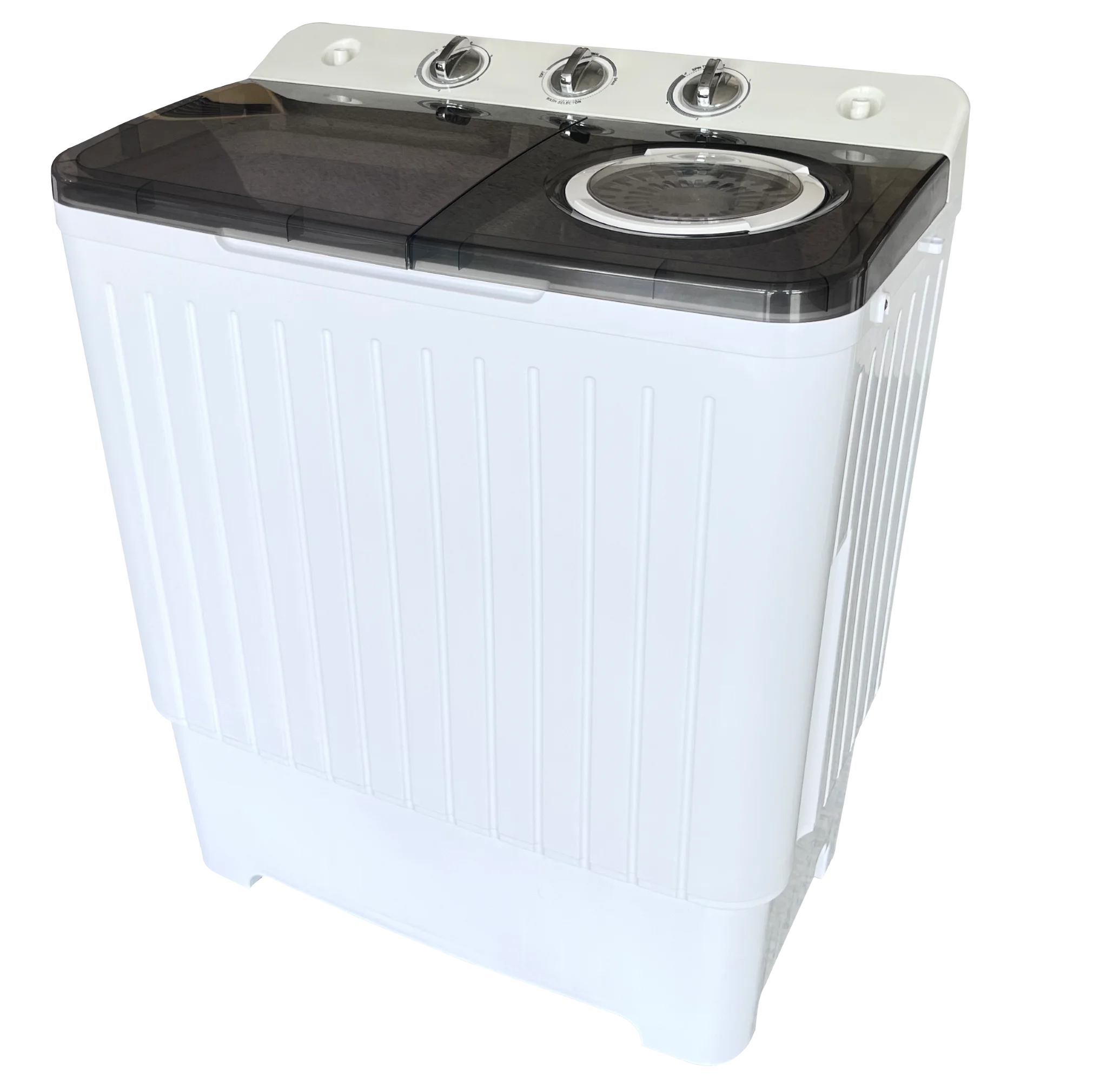
Quality control stands as the cornerstone of success for any reputable washing machine manufacturer in today's competitive global market. The intricate process of manufacturing washing machines demands unwavering attention to detail, rigorous testing protocols, and systematic quality assurance measures that ensure every unit meets the highest standards of performance and durability. Modern consumers expect their appliances to deliver consistent results while maintaining energy efficiency and longevity, making quality control an indispensable element of the manufacturing process.
Foundation of Quality Manufacturing Processes
Raw Material Selection and Inspection
Every reliable washing machine manufacturer begins the quality control process at the very foundation with meticulous raw material selection and inspection. The quality of components such as stainless steel drums, plastic housings, electronic control systems, and motor assemblies directly impacts the final product's performance and lifespan. Incoming materials undergo comprehensive testing procedures that evaluate tensile strength, corrosion resistance, electrical conductivity, and dimensional accuracy according to international standards.
Advanced material testing laboratories employ sophisticated equipment including spectrometers, hardness testers, and environmental simulation chambers to verify that every component meets predetermined specifications. This rigorous approach ensures that only premium-grade materials enter the production line, establishing a solid foundation for manufacturing excellence that distinguishes professional manufacturers from competitors who may compromise on material quality to reduce costs.
Component Compatibility and Integration Testing
The complexity of modern washing machines requires seamless integration between mechanical, electrical, and electronic components, making compatibility testing a critical quality control measure. Each washing machine manufacturer must verify that pumps, motors, sensors, control boards, and user interfaces work harmoniously together under various operating conditions. This process involves extensive compatibility matrices that test component interactions across different load capacities, water temperatures, and cycle variations.
Integration testing protocols simulate real-world usage scenarios including power fluctuations, temperature extremes, and prolonged operation cycles to identify potential failure points before products reach consumers. The data collected during these tests enables manufacturers to optimize component selection, refine assembly procedures, and establish preventive maintenance recommendations that enhance overall product reliability and customer satisfaction.
Production Line Quality Assurance
Assembly Process Monitoring
Manufacturing excellence requires continuous monitoring throughout the assembly process, where each washing machine manufacturer implements systematic checkpoints that verify proper component installation, alignment, and connection integrity. Skilled technicians perform visual inspections, torque measurements, and functional tests at predetermined intervals to ensure consistent assembly quality across all production units.
Modern production facilities utilize automated inspection systems equipped with high-resolution cameras, precision measurement tools, and computerized tracking systems that document every assembly step. These technologies enable real-time quality monitoring, immediate defect detection, and comprehensive traceability that facilitates rapid corrective actions when deviations from standard procedures are identified, maintaining the reputation that distinguishes a professional washing machine manufacturer in competitive markets.
Performance Calibration and Testing
Precise calibration of washing machine performance parameters ensures that every unit delivers consistent cleaning results while maintaining optimal water and energy consumption levels. Calibration procedures involve adjusting water fill levels, spin speeds, cycle timing, and temperature control systems according to factory specifications that have been validated through extensive research and development programs.
Comprehensive performance testing includes wash quality assessments using standardized soil loads, water extraction efficiency measurements, vibration analysis, and noise level evaluations. These tests verify that each machine meets or exceeds industry performance standards while identifying any adjustments needed to optimize functionality before final quality approval and packaging.
Final Inspection and Validation Procedures
Comprehensive Functionality Testing
The final inspection phase represents the culmination of quality control efforts where every washing machine manufacturer conducts exhaustive functionality testing to validate complete system performance. This comprehensive evaluation includes testing all wash cycles, spin functions, drainage systems, electronic controls, and safety mechanisms under conditions that simulate typical household usage patterns.
Advanced testing protocols incorporate stress testing procedures that subject machines to accelerated aging conditions, temperature cycling, and extended operation periods to identify potential weaknesses that might emerge during normal product lifespan. The results of these tests provide valuable feedback for continuous improvement initiatives while ensuring that only fully validated products proceed to final packaging and distribution.
Safety and Compliance Verification
Safety compliance verification forms an essential component of quality control where every washing machine manufacturer must demonstrate adherence to international safety standards and regulatory requirements. Electrical safety testing includes insulation resistance measurements, ground continuity verification, and leakage current assessments to ensure user protection under all operating conditions.
Additional safety evaluations cover mechanical stability testing, door lock functionality, emergency stop mechanisms, and child safety features that prevent accidental operation or access to moving parts. Documentation of compliance testing results provides certification authorities with evidence of safety standard adherence while protecting manufacturers from liability concerns and ensuring market acceptance across different regulatory jurisdictions.
Continuous Improvement and Innovation
Data Analysis and Process Optimization
Leading washing machine manufacturer organizations leverage comprehensive data analysis capabilities to identify trends, patterns, and opportunities for process optimization within their quality control systems. Statistical process control methods analyze production data to detect variations that might indicate equipment wear, material inconsistencies, or procedural deviations requiring corrective action.
Advanced analytics platforms integrate data from multiple sources including supplier quality reports, production line sensors, customer feedback, and field service records to provide holistic insights into product performance and manufacturing effectiveness. This data-driven approach enables proactive quality improvements that prevent defects rather than simply detecting them after occurrence.
Technology Integration and Automation
Modern quality control systems increasingly incorporate automated inspection technologies that enhance precision, consistency, and efficiency while reducing human error potential. Machine vision systems, robotic testing equipment, and artificial intelligence algorithms work together to perform complex quality assessments that would be impractical or impossible through manual inspection methods alone.
Investment in advanced quality control technologies demonstrates a washing machine manufacturer commitment to excellence while providing competitive advantages through improved defect detection capabilities, faster inspection cycles, and reduced labor costs. These technological improvements ultimately translate into higher quality products, increased customer satisfaction, and stronger market positioning.
Supplier Quality Management
Vendor Qualification and Monitoring
Effective quality control extends beyond internal manufacturing processes to encompass comprehensive supplier quality management programs that ensure consistent component quality from external sources. Every professional washing machine manufacturer maintains detailed vendor qualification procedures that evaluate supplier capabilities, quality systems, delivery performance, and continuous improvement initiatives.
Regular supplier audits, performance scorecards, and collaborative improvement projects maintain strong supplier relationships while ensuring adherence to quality standards throughout the supply chain. This proactive approach prevents quality issues from entering the manufacturing process while fostering partnerships that support long-term business success and product innovation.
Incoming Inspection and Acceptance Criteria
Rigorous incoming inspection procedures provide the final quality control checkpoint for supplier-provided components before they enter the production process. These inspections utilize statistical sampling methods, documented acceptance criteria, and standardized test procedures to verify that received materials meet specifications and quality requirements.
Non-conforming materials are immediately quarantined and subjected to detailed investigation to determine root causes and implement corrective actions that prevent recurrence. This systematic approach to supplier quality management ensures that every washing machine manufacturer maintains consistent component quality while building supplier accountability for continuous improvement efforts.
Customer Feedback Integration
Field Performance Monitoring
Comprehensive quality control programs extend beyond manufacturing facilities to include systematic monitoring of product performance in actual customer environments. Field performance data collection provides valuable insights into real-world operating conditions, usage patterns, and potential improvement opportunities that laboratory testing might not reveal.
Service technician reports, warranty claim analysis, and customer satisfaction surveys contribute to a comprehensive understanding of product performance that enables every washing machine manufacturer to refine quality control procedures and address emerging issues proactively. This customer-focused approach ensures that quality improvements directly address user needs and expectations.
Continuous Product Enhancement
Customer feedback integration drives continuous product enhancement initiatives that keep washing machine manufacturer offerings competitive and responsive to market demands. Regular product review cycles incorporate customer input, field performance data, and technological advances to identify improvement opportunities and development priorities.
These enhancement programs demonstrate manufacturer commitment to customer satisfaction while providing valuable differentiation in competitive markets. The integration of customer feedback into quality control processes ensures that improvements address real user concerns rather than theoretical performance metrics alone.
FAQ
What specific testing procedures do manufacturers use to ensure washing machine durability
Professional washing machine manufacturer facilities employ comprehensive durability testing protocols that include accelerated life testing, temperature cycling, vibration analysis, and component stress testing. These procedures simulate years of typical household usage within condensed timeframes, utilizing automated testing equipment that operates machines continuously under varying load conditions, water temperatures, and cycle selections. The testing process also includes door hinge cycling, control panel durability assessments, and drainage system performance validation to ensure long-term reliability across all machine components.
How do quality control measures differ between different washing machine types
Quality control procedures vary significantly depending on washing machine design, with top-loading models requiring specific agitator balance testing and lid safety mechanism validation, while front-loading machines undergo door seal integrity testing and drum alignment verification. Each washing machine manufacturer adapts testing protocols to address design-specific requirements, with compact models receiving space-constraint compatibility testing and commercial units undergoing heavy-duty cycle validation. The fundamental quality principles remain consistent, but implementation details are customized to address the unique performance requirements and potential failure modes associated with different machine configurations.
What role does automation play in modern washing machine quality control
Automation technologies have revolutionized quality control processes for every modern washing machine manufacturer through machine vision systems that detect surface defects, robotic testing equipment that performs consistent functional evaluations, and computerized data collection systems that track quality metrics in real-time. Automated inspection systems can identify dimensional variations, color inconsistencies, and assembly defects with precision levels far exceeding human capabilities while maintaining consistent evaluation standards across all production shifts. These technologies enable faster inspection cycles, improved defect detection accuracy, and comprehensive quality data collection that supports continuous improvement initiatives.
How do manufacturers ensure consistent quality across different production facilities
Multi-facility washing machine manufacturer operations maintain quality consistency through standardized procedures, centralized training programs, and regular cross-facility audits that ensure uniform implementation of quality control protocols. Corporate quality management systems establish common standards, specifications, and testing procedures that are deployed across all manufacturing locations, supported by regular technical exchanges and best practice sharing between facilities. Quality metrics are monitored centrally with standardized reporting systems that enable rapid identification and correction of facility-specific quality variations, ensuring that products meet identical standards regardless of manufacturing location.
Table of Contents
- Foundation of Quality Manufacturing Processes
- Production Line Quality Assurance
- Final Inspection and Validation Procedures
- Continuous Improvement and Innovation
- Supplier Quality Management
- Customer Feedback Integration
-
FAQ
- What specific testing procedures do manufacturers use to ensure washing machine durability
- How do quality control measures differ between different washing machine types
- What role does automation play in modern washing machine quality control
- How do manufacturers ensure consistent quality across different production facilities