EN
EN
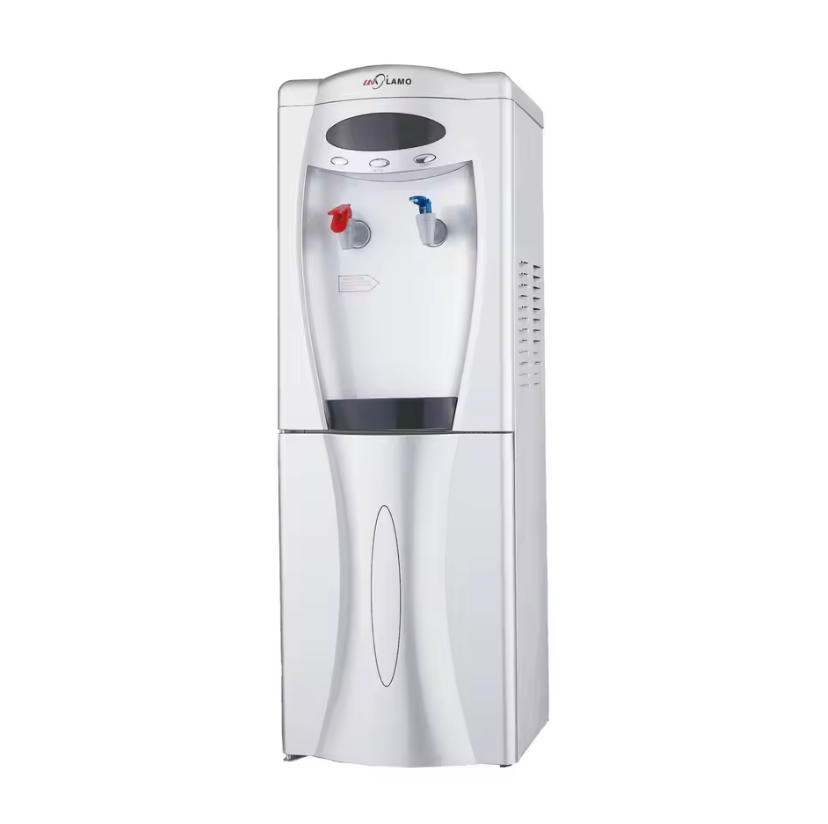
In today's competitive commercial and residential markets, the importance of selecting a reliable water dispenser supplier cannot be overstated. As businesses and households increasingly prioritize access to clean, safe drinking water, the responsibility falls on suppliers to deliver products that meet stringent safety standards and regulatory requirements. A professional water dispenser supplier serves as the critical link between manufacturers and end users, ensuring that every unit delivered maintains the highest quality benchmarks while providing ongoing support for optimal performance.
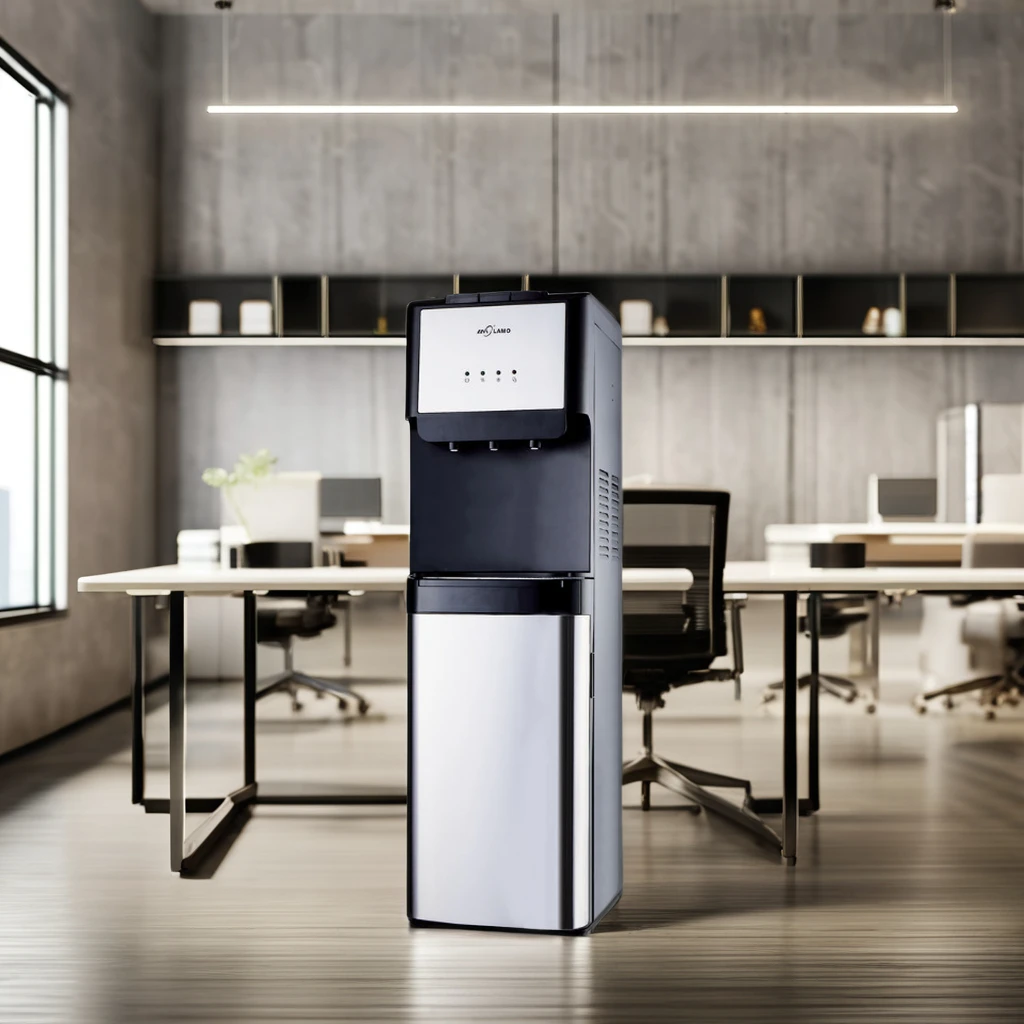
The water dispensing industry has evolved significantly over the past decade, with technological advancements driving both innovation and complexity in product safety requirements. Modern dispensers incorporate sophisticated filtration systems, temperature control mechanisms, and antimicrobial surfaces that demand specialized knowledge from suppliers. A competent water dispenser supplier must navigate this landscape while maintaining comprehensive understanding of local and international safety protocols, ensuring every product meets or exceeds established standards before reaching the consumer market.
Regulatory Compliance and Safety Standards
International Safety Certifications
The global water dispenser market operates under multiple regulatory frameworks that vary by region and application type. Professional suppliers must ensure their products carry appropriate certifications such as NSF International standards, FDA compliance for food-grade materials, and CE marking for European markets. These certifications require rigorous testing protocols that evaluate everything from electrical safety to water quality maintenance. A reputable water dispenser supplier maintains detailed documentation of all certifications and regularly updates their inventory to reflect the latest regulatory changes.
Beyond basic safety requirements, many regions have implemented specific standards for commercial-grade dispensers used in healthcare facilities, schools, and food service establishments. These environments demand enhanced antimicrobial properties, easier cleaning protocols, and specialized filtration capabilities. Suppliers must demonstrate thorough understanding of these sector-specific requirements and provide appropriate product recommendations based on the intended application environment.
Material Safety and Quality Assurance
The materials used in water dispenser construction directly impact both safety and longevity, making material selection a critical responsibility for suppliers. Stainless steel components, food-grade plastics, and certified filtration media must meet specific purity standards to prevent contamination of the water supply. A professional water dispenser supplier maintains relationships with manufacturers who use only approved materials and can provide material safety data sheets for all components used in their products.
Quality assurance processes extend beyond initial material selection to include ongoing monitoring of manufacturing processes and finished product testing. Leading suppliers implement comprehensive quality control programs that include random sampling, third-party testing, and continuous monitoring of customer feedback to identify potential safety issues before they affect end users. This proactive approach helps maintain consistently high safety standards across all product lines.
Product Selection and Technical Expertise
Matching Products to Application Requirements
Different environments require distinct water dispenser specifications, and experienced suppliers excel at matching product capabilities with specific application needs. Commercial kitchens demand high-capacity units with rapid recovery rates and enhanced durability, while office environments prioritize quiet operation and aesthetic integration. A knowledgeable water dispenser supplier evaluates factors such as daily usage volumes, available utilities, maintenance accessibility, and budget constraints to recommend the most appropriate solution for each situation.
Technical specifications play a crucial role in ensuring long-term satisfaction and safety compliance. Suppliers must understand cooling capacity calculations, electrical requirements, water pressure specifications, and filtration system compatibility to provide accurate recommendations. This expertise prevents costly mismatches that could result in inadequate performance, excessive energy consumption, or premature equipment failure.
Advanced Filtration and Purification Technologies
Modern water dispensers incorporate sophisticated purification technologies that require specialized knowledge to properly specify and maintain. Reverse osmosis systems, UV sterilization, activated carbon filtration, and ion exchange processes each address different water quality challenges and require specific maintenance protocols. A competent water dispenser supplier educates customers about these technologies and helps select the most appropriate combination based on local water quality conditions and intended use requirements.
The integration of smart monitoring systems and automated maintenance alerts represents another area where supplier expertise proves invaluable. These advanced features help ensure consistent water quality and system performance while reducing the burden on facility managers. Suppliers must stay current with technological developments and provide training on new features to maximize the value of these investments for their customers.
Installation and Maintenance Support
Professional Installation Services
Proper installation forms the foundation of safe and reliable water dispenser operation, making professional installation support a critical service provided by reputable suppliers. Installation requirements vary significantly based on unit type, location constraints, and local building codes. A qualified water dispenser supplier maintains trained installation teams who understand electrical connections, plumbing requirements, and ventilation needs to ensure safe and compliant installations.
Pre-installation site surveys help identify potential challenges and ensure all necessary preparations are completed before equipment arrival. These surveys evaluate available utilities, structural requirements, accessibility for maintenance, and compliance with local codes. Professional suppliers use this information to develop detailed installation plans that minimize disruption and ensure successful project completion.
Ongoing Maintenance and Support Programs
Regular maintenance is essential for maintaining water quality, extending equipment life, and ensuring continued safety compliance. Experienced suppliers offer comprehensive maintenance programs that include scheduled filter replacements, system sanitization, performance testing, and preventive maintenance inspections. These programs help customers maintain warranty coverage while ensuring consistent water quality and system reliability.
Emergency support services provide additional peace of mind for customers who depend on reliable water access for their operations. A professional water dispenser supplier maintains service capabilities that include rapid response for critical issues, readily available replacement parts, and technical support to minimize downtime. This comprehensive support approach helps ensure continued compliance with safety standards even when unexpected issues arise.
Training and Education Programs
User Training and Safety Protocols
Effective user training ensures that water dispensers operate safely and efficiently throughout their service life. Professional suppliers provide comprehensive training programs that cover daily operation procedures, basic troubleshooting, safety protocols, and maintenance requirements. These programs help users understand their role in maintaining water quality and system safety while maximizing the value of their investment.
Safety protocols specific to each environment help prevent accidents and ensure proper system operation. Healthcare facilities require different protocols than office environments, and suppliers must tailor their training programs accordingly. A responsible water dispenser supplier develops customized training materials that address specific safety concerns and regulatory requirements for each application type.
Compliance Documentation and Record Keeping
Many industries require detailed documentation of water quality testing, maintenance activities, and compliance verification for regulatory purposes. Leading suppliers provide comprehensive documentation systems that help customers maintain accurate records and demonstrate compliance with applicable standards. These systems often include digital platforms that automate record keeping and provide easy access to historical data for auditing purposes.
Regular compliance reporting helps identify trends and potential issues before they become serious problems. Professional suppliers use this data to recommend improvements to maintenance schedules, upgrade opportunities, and system modifications that enhance safety and performance. This proactive approach helps customers stay ahead of regulatory requirements while optimizing their water dispensing operations.
Technology Integration and Future Planning
Smart System Integration
The integration of Internet of Things (IoT) technology into water dispensers has created new opportunities for enhanced monitoring and control capabilities. Modern systems can provide real-time water quality data, usage analytics, maintenance alerts, and remote diagnostics that improve both safety and efficiency. A forward-thinking water dispenser supplier helps customers understand these capabilities and integrate them effectively into their facility management systems.
Data analytics from smart water dispensers provide valuable insights into usage patterns, maintenance needs, and system performance that can inform future planning decisions. Suppliers who understand these technologies can help customers optimize their water dispensing operations while maintaining the highest safety standards. This capability becomes increasingly important as facilities seek to improve efficiency while reducing operational costs.
Sustainability and Environmental Considerations
Environmental sustainability has become a significant factor in water dispenser selection, with customers increasingly seeking energy-efficient models and environmentally responsible suppliers. Professional suppliers stay current with environmental regulations and can recommend products that minimize environmental impact while maintaining safety standards. This includes energy-efficient cooling systems, recyclable components, and reduced packaging materials.
The lifecycle environmental impact of water dispensers extends beyond energy consumption to include manufacturing processes, transportation, and end-of-life disposal considerations. A responsible water dispenser supplier provides comprehensive information about environmental impacts and helps customers make informed decisions that balance performance, safety, and environmental responsibility. This holistic approach supports long-term sustainability goals while maintaining the highest safety standards.
FAQ
What certifications should I look for when selecting a water dispenser supplier
When evaluating potential suppliers, look for products that carry NSF International certification for water quality and safety, FDA compliance for food-grade materials, and relevant electrical safety certifications such as UL listing. Professional suppliers should also maintain ISO quality management certifications and be able to provide detailed documentation of all product certifications and testing procedures.
How often should water dispensers be serviced to maintain safety compliance
Service frequency depends on usage levels, local water quality, and manufacturer recommendations, but most commercial units require quarterly maintenance visits with filter replacements every three to six months. High-usage environments may require more frequent service intervals. A reputable water dispenser supplier will develop customized maintenance schedules based on specific operating conditions and regulatory requirements for your industry.
What should be included in a comprehensive water dispenser maintenance program
A complete maintenance program should include regular filter replacements, system sanitization, water quality testing, performance verification, and preventive maintenance inspections. Professional suppliers also provide emergency support services, maintain adequate parts inventory, and offer training programs for facility staff to ensure optimal system operation and safety compliance.
How can I verify that my water dispenser supplier meets current safety standards
Request documentation of all relevant certifications, review their quality assurance processes, and ask for references from similar applications. Professional suppliers should be transparent about their testing procedures, maintain current certifications, and provide ongoing compliance support. Regular audits of supplier facilities and processes can also help verify their commitment to safety and quality standards.
Table of Contents
- Regulatory Compliance and Safety Standards
- Product Selection and Technical Expertise
- Installation and Maintenance Support
- Training and Education Programs
- Technology Integration and Future Planning
-
FAQ
- What certifications should I look for when selecting a water dispenser supplier
- How often should water dispensers be serviced to maintain safety compliance
- What should be included in a comprehensive water dispenser maintenance program
- How can I verify that my water dispenser supplier meets current safety standards