EN
EN
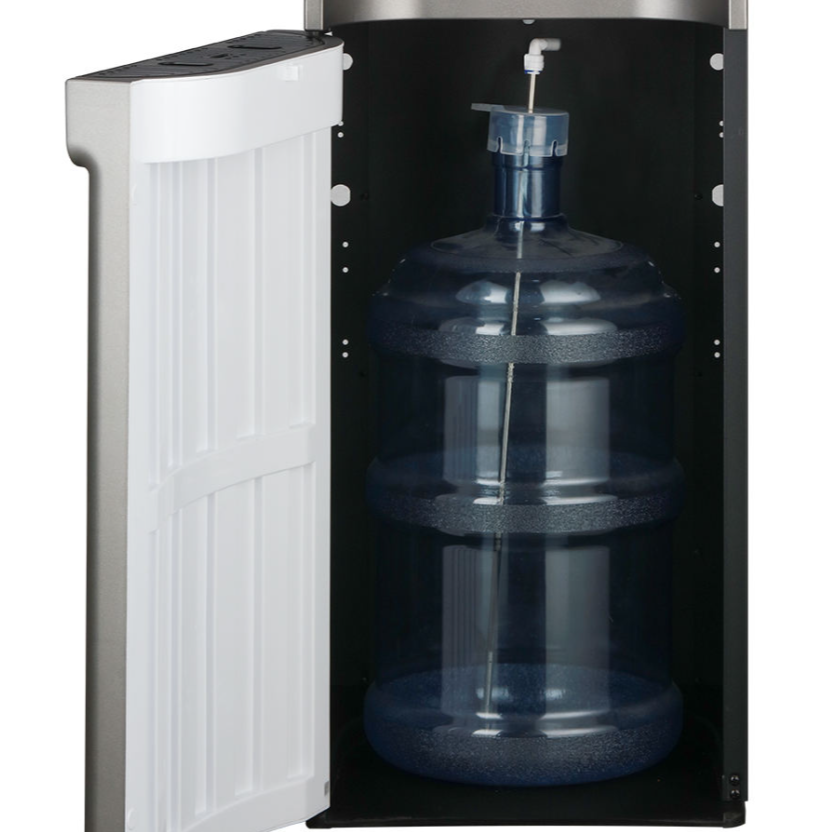
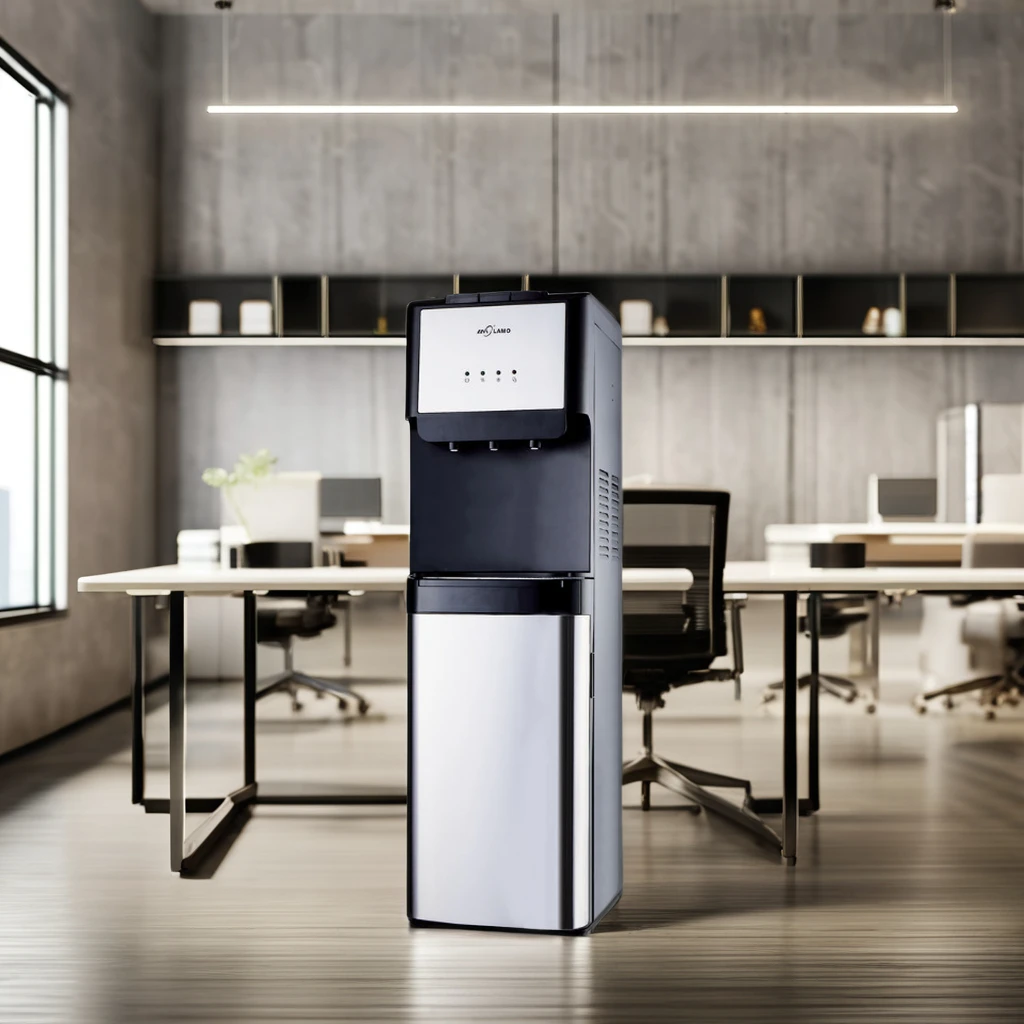
Selecting the right water dispenser supplier is a critical decision that can significantly impact your business operations, employee satisfaction, and overall cost management. Whether you're outfitting a corporate office, manufacturing facility, or hospitality venue, partnering with a reliable water dispenser supplier requires careful consideration of multiple factors. The quality of water dispensing solutions, service reliability, and long-term support capabilities all play crucial roles in determining the success of your investment. Understanding what questions to ask potential suppliers will help you make an informed decision that aligns with your specific requirements and budget constraints.
Evaluating Supplier Experience and Industry Reputation
Years of Operation and Market Presence
When assessing potential water dispenser suppliers, inquire about their years of operation and established market presence. A seasoned water dispenser supplier typically demonstrates stability, industry knowledge, and proven track records with diverse clients. Companies with extensive experience have likely navigated various market challenges and refined their product offerings based on customer feedback and technological advancements. Ask for specific examples of long-term client relationships and how they've evolved their services over time.
Request detailed information about the supplier's client portfolio, including the types of businesses they serve and the scale of installations they've completed. This information helps gauge whether the water dispenser supplier has relevant experience handling projects similar to yours. Additionally, understanding their market positioning and competitive advantages provides insights into their ability to deliver consistent value and support throughout your partnership.
Certifications and Compliance Standards
Verify that your potential water dispenser supplier maintains proper industry certifications and complies with relevant health and safety standards. Essential certifications include NSF International, FDA compliance, and ISO quality management systems. These certifications ensure that water dispensers meet stringent safety requirements and deliver clean, safe drinking water consistently. Ask to see current certification documents and understand their renewal processes.
Compliance with local and international standards demonstrates the supplier's commitment to quality and regulatory adherence. Inquire about their quality control processes, testing procedures, and how they handle product recalls or safety issues. A reputable water dispenser supplier should have comprehensive documentation of their compliance measures and be transparent about their quality assurance protocols.
Product Range and Technology Capabilities
Dispenser Types and Customization Options
Evaluate the breadth of products offered by each water dispenser supplier to ensure they can meet your current and future needs. Ask about different dispenser types, including countertop models, floor-standing units, and integrated systems. Understanding the available options helps determine whether the supplier can provide solutions that fit your space constraints, capacity requirements, and aesthetic preferences.
Customization capabilities are increasingly important as businesses seek unique solutions that align with their brand identity and operational requirements. Inquire about color options, branding possibilities, and modifications to standard models. A flexible water dispenser supplier should offer various customization options while maintaining product quality and warranty coverage.
Technology Integration and Smart Features
Modern water dispensers incorporate advanced technologies that enhance user experience and operational efficiency. Ask potential suppliers about smart features such as touchless operation, temperature controls, usage monitoring, and maintenance alerts. These technological capabilities can significantly improve hygiene standards and provide valuable data about water consumption patterns and equipment performance.
Understand the supplier's approach to technology updates and future-proofing their products. Inquire about software updates, connectivity options, and integration with building management systems. A forward-thinking water dispenser supplier should demonstrate commitment to innovation and provide clear roadmaps for technology enhancements that protect your investment over time.
Service and Support Infrastructure
Installation and Setup Services
Professional installation is crucial for optimal water dispenser performance and longevity. Ask detailed questions about the supplier's installation process, including site assessment, preparation requirements, and timeline expectations. A comprehensive water dispenser supplier should provide thorough pre-installation consultations to identify potential challenges and ensure proper placement and connectivity.
Understand what's included in the installation service and any additional costs for complex setups or special requirements. Inquire about the qualifications and training of installation technicians, as well as post-installation testing procedures. Quality installation services should include user training, documentation handover, and initial maintenance scheduling to ensure smooth operations from day one.
Ongoing Maintenance and Technical Support
Regular maintenance is essential for water dispenser performance and hygiene standards. Evaluate each water dispenser supplier's maintenance programs, including service frequency, scope of work, and response times for issues. Ask about preventive maintenance schedules, filter replacement procedures, and sanitization protocols. Comprehensive maintenance programs help prevent costly breakdowns and ensure consistent water quality.
Technical support availability and quality directly impact your operational continuity. Inquire about support hours, response times for different issue priorities, and available communication channels. A reliable water dispenser supplier should offer multiple support options, including phone, email, and online resources, with clearly defined service level agreements and escalation procedures for critical issues.
Cost Structure and Contract Terms
Pricing Models and Total Cost of Ownership
Understanding the complete cost structure helps you make accurate comparisons between different water dispenser supplier options. Ask for detailed breakdowns of upfront costs, including equipment, installation, and setup fees. Additionally, request information about ongoing expenses such as maintenance, filter replacements, and service calls. This comprehensive view enables better budget planning and long-term cost projections.
Consider different pricing models offered by each water dispenser supplier, such as purchase, lease, or rental arrangements. Each model has distinct advantages depending on your financial preferences, cash flow considerations, and equipment refresh cycles. Evaluate the total cost of ownership over your expected usage period, including potential savings from energy-efficient models and reduced maintenance requirements.
Contract Flexibility and Terms
Contract terms significantly impact your flexibility and long-term relationship with the water dispenser supplier. Review contract duration options, renewal procedures, and early termination clauses. Understanding these terms helps ensure the agreement aligns with your business planning cycles and provides appropriate exit strategies if circumstances change.
Ask about upgrade options, expansion capabilities, and how contract terms accommodate business growth or downsizing. A flexible water dispenser supplier should offer scalable solutions and contract modifications that support your evolving needs. Additionally, clarify warranty coverage, liability provisions, and dispute resolution procedures to avoid potential conflicts and ensure clear expectations for both parties.
Quality Assurance and Performance Metrics
Product Testing and Quality Control
Rigorous quality control processes are fundamental to reliable water dispenser performance and safety. Ask potential suppliers about their testing procedures, quality checkpoints, and performance standards. Understanding how each water dispenser supplier validates product quality before delivery provides confidence in their commitment to excellence and helps predict long-term reliability.
Inquire about product warranties, defect rates, and how quality issues are addressed. A reputable water dispenser supplier should provide comprehensive warranty coverage and have established procedures for handling defective products. Request information about their quality improvement initiatives and how customer feedback influences product development and manufacturing processes.
Performance Monitoring and Reporting
Modern water dispenser systems often include monitoring capabilities that provide valuable insights into usage patterns and equipment performance. Ask about available reporting features, data collection methods, and how this information can benefit your facility management. Performance monitoring helps optimize placement, identify maintenance needs, and plan for capacity adjustments.
Understanding how each water dispenser supplier uses performance data to improve service delivery demonstrates their commitment to continuous improvement. Inquire about benchmarking capabilities, comparative analysis tools, and how they help clients optimize their water dispensing operations. This data-driven approach can lead to improved efficiency and cost savings over time.
Environmental Impact and Sustainability
Energy Efficiency and Environmental Certifications
Environmental considerations are increasingly important in procurement decisions, making energy efficiency a key evaluation criterion. Ask potential water dispenser suppliers about energy consumption ratings, ENERGY STAR certifications, and eco-friendly features. Energy-efficient models can significantly reduce operational costs while supporting your organization's sustainability goals.
Evaluate the environmental impact of the entire product lifecycle, including manufacturing processes, packaging materials, and end-of-life disposal options. A responsible water dispenser supplier should demonstrate commitment to environmental stewardship through sustainable business practices and provide guidance on maximizing the environmental benefits of their products.
Waste Reduction and Recycling Programs
Water dispensers contribute to waste reduction by eliminating single-use plastic bottles, but other waste management considerations exist. Ask about filter recycling programs, equipment refurbishment options, and how the water dispenser supplier handles component disposal. Comprehensive recycling programs demonstrate environmental responsibility and may provide cost savings through material recovery.
Understanding the supplier's approach to circular economy principles helps assess their long-term sustainability commitment. Inquire about product lifecycle extension strategies, component reuse programs, and how they minimize waste throughout their operations. These initiatives often translate into better value propositions and align with corporate sustainability objectives.
FAQ
How do I evaluate the reliability of a water dispenser supplier
Evaluate supplier reliability by examining their track record, client references, and industry certifications. Request case studies from similar organizations and ask about their average client retention rates. A reliable water dispenser supplier should provide transparent information about their service history, response times, and problem resolution procedures. Additionally, verify their financial stability and business continuity plans to ensure long-term support availability.
What maintenance requirements should I expect from water dispensers
Water dispenser maintenance typically includes regular filter replacements, sanitization procedures, and periodic component inspections. Most units require filter changes every 6-12 months, depending on usage and water quality. Professional maintenance should include cleaning, performance testing, and safety checks. Ask your water dispenser supplier for detailed maintenance schedules and understand which tasks require professional service versus routine user maintenance.
How can I determine the right capacity for my facility
Capacity planning depends on your facility size, occupancy patterns, and peak usage periods. Calculate daily water consumption based on the number of users and average consumption per person. Consider seasonal variations, special events, and future growth projections. A knowledgeable water dispenser supplier should provide capacity planning tools and recommendations based on your specific usage patterns and facility characteristics.
What should I look for in water dispenser supplier contracts
Key contract elements include service level agreements, warranty terms, maintenance inclusions, and pricing escalation clauses. Ensure the contract clearly defines response times, performance standards, and liability provisions. Look for flexibility in contract duration, upgrade options, and termination procedures. A fair contract should protect both parties while providing clear expectations and dispute resolution mechanisms.