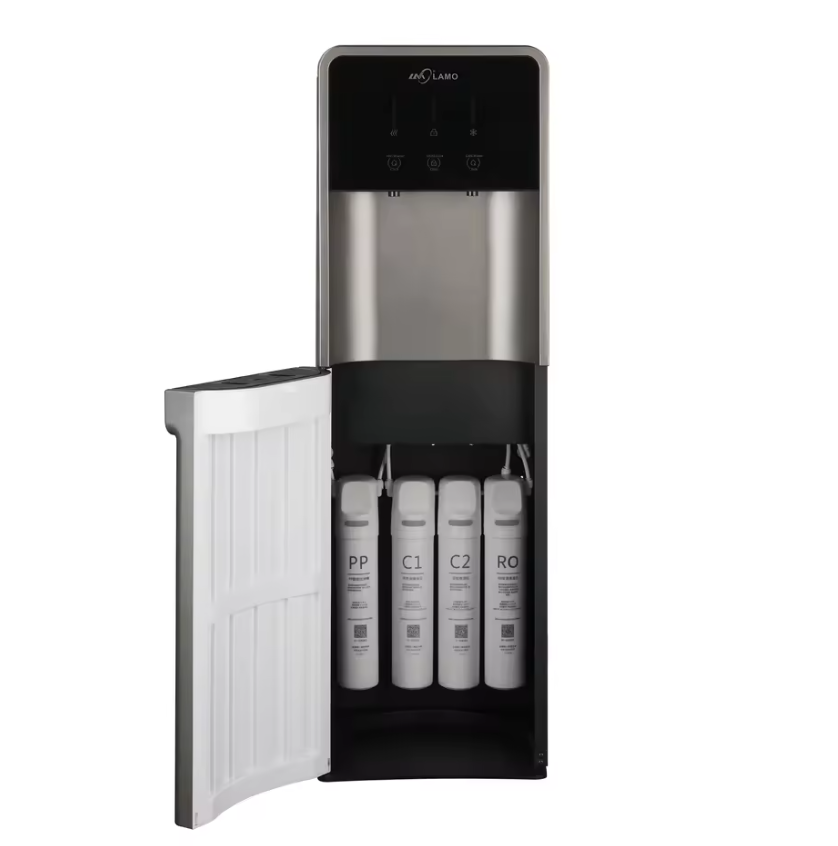
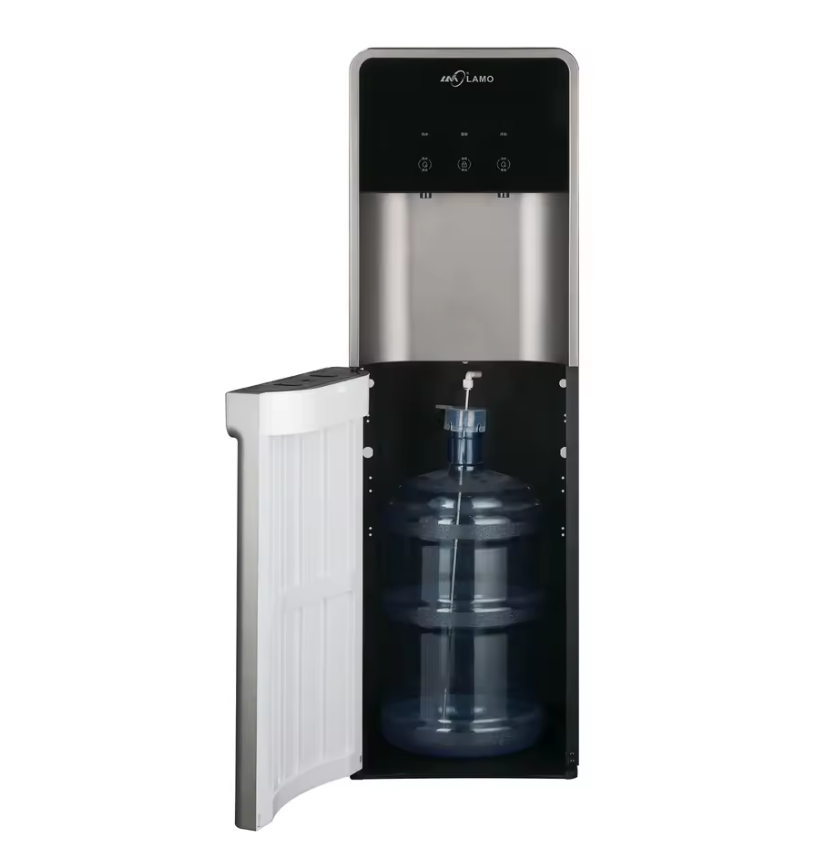
Advanced Multi-Stage Filtration Technology
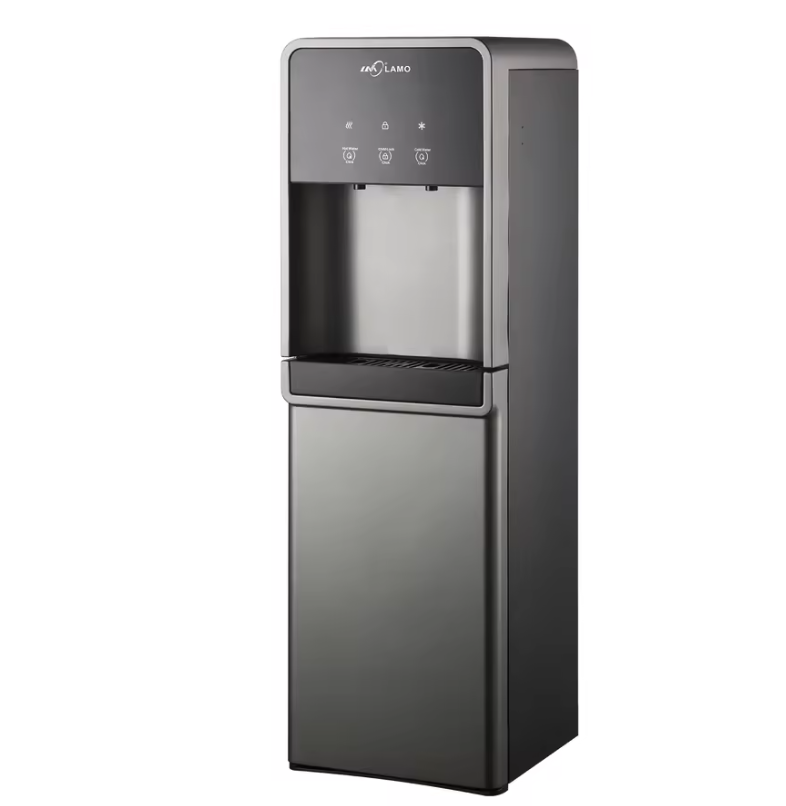
The cornerstone of every high-quality public water dispenser lies in its sophisticated multi-stage filtration system, engineered to transform ordinary municipal water into premium-quality drinking water that exceeds industry standards. This advanced purification process typically incorporates four to six distinct filtration stages, each targeting specific contaminants and impurities commonly found in public water supplies. The initial stage employs a sediment pre-filter that captures larger particles, rust, sand, and debris, protecting downstream components while improving water clarity and taste. Following this, activated carbon filtration removes chlorine, volatile organic compounds, pesticides, and chemical additives that affect water flavor and odor, creating a foundation for exceptional taste quality. The third stage often utilizes advanced carbon block technology or catalytic carbon media, providing superior reduction of chloramine, heavy metals including lead and mercury, and pharmaceutical residues that standard filtration cannot address effectively. Many public water dispenser systems incorporate ultraviolet sterilization as a fourth stage, utilizing UV-C light to eliminate bacteria, viruses, and other microorganisms without introducing chemicals or altering water chemistry. Some premium models include reverse osmosis membranes that remove dissolved solids, fluoride, and microscopic contaminants at the molecular level, producing exceptionally pure water suitable for sensitive applications. The final stage typically features a post-carbon filter that polishes water quality, removing any residual tastes or odors while adding beneficial minerals back into the water for optimal health benefits. This comprehensive filtration approach ensures that every drop dispensed meets or exceeds EPA drinking water standards while providing consistent quality regardless of source water variations. The modular design allows facility managers to customize filtration based on local water conditions, with options for additional specialized filters addressing specific regional contamination concerns. Automated monitoring systems track filter performance in real-time, measuring flow rates, pressure differentials, and contamination removal efficiency to optimize purification effectiveness. The public water dispenser filtration technology represents a significant advancement over traditional water fountains, delivering bottled water quality at a fraction of the cost while eliminating plastic waste and ensuring reliable access to safe drinking water.
 EN
EN