EN
EN

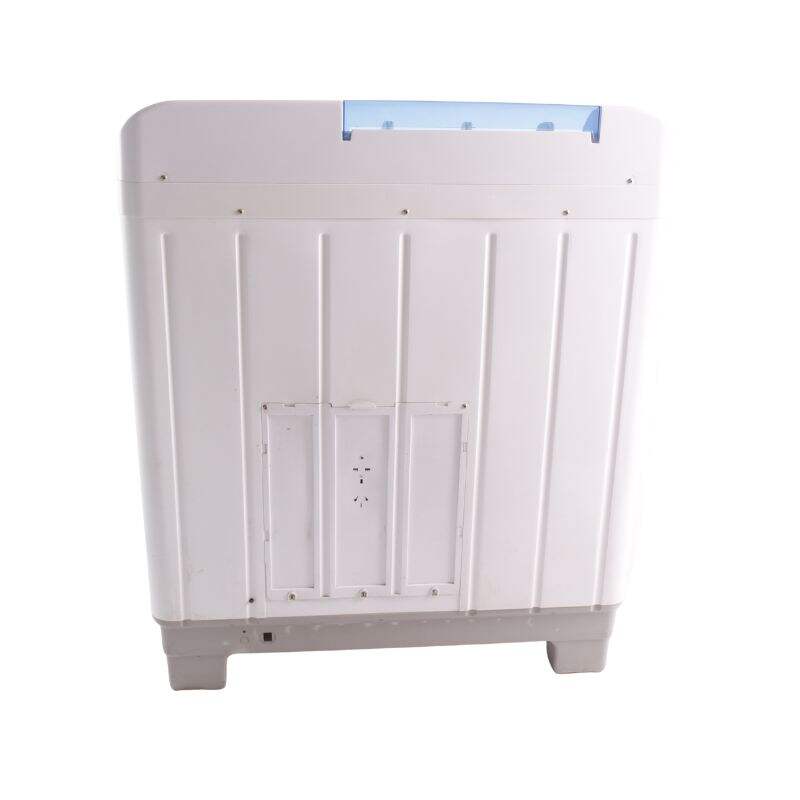
Selecting the right refrigerator supplier extends far beyond evaluating product specifications and upfront pricing. For distributors, retailers, and hospitality businesses, the real measure of a supplier's value emerges after the purchase transaction closes. A competent refrigerator supplier recognizes that after-sales service forms the backbone of long-term partnership success, directly influencing customer retention rates, operational continuity, and brand reputation in competitive markets. When technical issues arise or replacement parts become necessary, the quality of supplier support determines whether your business experiences minor disruptions or costly downtime that damages client relationships and revenue streams.
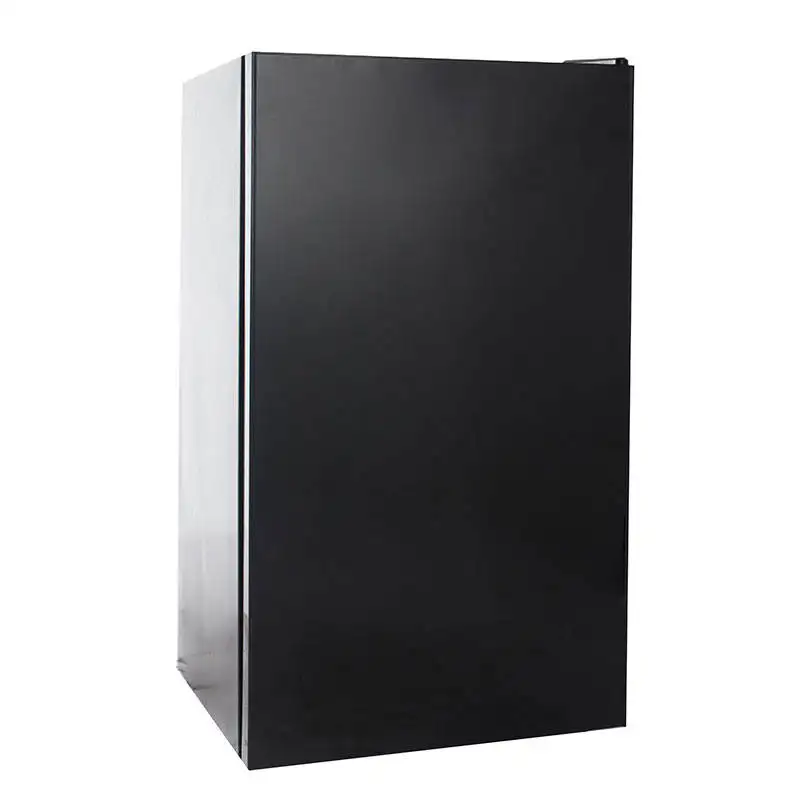
The connection between supplier capabilities and your after-sales service quality creates a direct impact on business sustainability. When your refrigerator supplier maintains robust support infrastructure, your organization gains the ability to resolve customer complaints swiftly, maintain equipment uptime, and build trust through reliable service delivery. This article examines the specific mechanisms through which a capable refrigerator supplier enhances your after-sales operations, exploring warranty management, spare parts logistics, technical training provisions, and customer support coordination that transform supplier relationships from transactional exchanges into strategic partnerships that drive mutual growth and market competitiveness.
Technical Support Infrastructure That Enables Rapid Problem Resolution
Comprehensive Documentation and Troubleshooting Resources
A professional refrigerator supplier provides detailed technical documentation that empowers your service teams to diagnose and resolve common issues without requiring escalation. This includes comprehensive installation manuals, wiring diagrams, refrigerant circuit schematics, and troubleshooting flowcharts in multiple languages tailored to your market regions. When your technicians access clear diagnostic procedures for compressor failures, thermostat malfunctions, or defrost system problems, they reduce repair time from hours to minutes, directly improving your after-sales service response metrics that customers use to evaluate your business performance.
Beyond static documentation, leading suppliers maintain digital knowledge bases with searchable error codes, video tutorials demonstrating component replacement procedures, and regularly updated technical bulletins addressing field-reported issues. This living resource library allows your service personnel to stay current with product improvements and emerging fault patterns. When a refrigerator supplier invests in building these comprehensive technical resources, they demonstrate commitment to your operational success rather than viewing customer support as a cost center to minimize after securing purchase orders.
Accessible Expert Technical Consultation
Complex refrigeration problems occasionally exceed frontline technician capabilities, requiring input from engineering specialists familiar with specific product designs. A reliable refrigerator supplier maintains responsive technical hotlines staffed by experienced engineers who understand both product architecture and field service realities. These experts provide real-time guidance during challenging diagnostics, offer alternative repair strategies when standard parts face supply constraints, and authorize warranty exceptions for legitimate edge cases that protect your customer relationships without compromising manufacturer interests.
The accessibility of this expert layer differentiates superior suppliers from commodity vendors. When your service team contacts a refrigerator supplier and reaches knowledgeable engineers within minutes rather than navigating automated phone trees and callback queues, resolution speed accelerates dramatically. This responsiveness cascades directly to your end customers, who experience shorter appliance downtime and perceive your organization as competent and customer-focused. The supplier's technical support quality becomes invisible to your customers but fundamentally enables the service excellence that retains their loyalty and generates positive referrals.
Remote Diagnostic Capabilities and Smart Service Integration
Progressive refrigerator suppliers integrate IoT connectivity and remote monitoring capabilities into their product lines, creating opportunities for predictive maintenance and remote troubleshooting that transform after-sales service economics. When refrigeration units transmit performance data to cloud platforms, both you and your supplier can identify developing problems before complete failures occur. This predictive approach allows scheduled maintenance during convenient times rather than emergency service calls that disrupt customer operations and strain your technician resources during peak demand periods.
Remote diagnostic access enables supplier technical teams to analyze fault codes, review operating parameters, and even adjust control settings without dispatching service personnel. For geographically distributed customers or markets with technician shortages, this capability dramatically improves your service reach and cost efficiency. A forward-thinking Refrigerator Supplier views smart connectivity as a competitive service advantage rather than optional feature, recognizing that after-sales support increasingly depends on digital infrastructure that complements traditional field service models.
Warranty Program Design and Administration Efficiency
Clear Warranty Terms That Balance Protection and Practicality
Warranty structure directly influences after-sales service complexity and cost distribution between your business and the refrigerator supplier. Well-designed warranty programs establish clear coverage boundaries for components, labor, and refrigerant, specify reasonable exclusions for misuse or environmental factors, and define claim procedures that balance fraud prevention with processing efficiency. When warranty terms reflect realistic failure patterns rather than marketing-driven promises, both parties maintain sustainable economics while delivering genuine customer protection that builds market confidence.
Ambiguous warranty language creates disputes that consume administrative resources and damage supplier relationships. A quality refrigerator supplier invests in precise warranty documentation that addresses common interpretation questions proactively. They specify whether cosmetic damage qualifies for coverage, clarify responsibilities when customers modify installation environments, and establish transparent timelines for claim approval and parts shipment. This clarity allows your customer service teams to set accurate expectations with end users, reducing conflict and maintaining your reputation for honest dealing in competitive markets where trust differentiates premium service providers.
Streamlined Claim Processing Systems
The administrative burden of warranty claim processing significantly impacts after-sales service profitability and customer satisfaction. Superior refrigerator suppliers implement digital claim submission portals that accept photographic evidence, integrate with your inventory systems, and provide real-time status tracking without requiring repetitive phone calls or email exchanges. These streamlined systems reduce processing time from weeks to days, accelerating parts delivery and repair completion that customers directly experience as responsive service.
Efficient warranty administration also includes reasonable evidence requirements that validate legitimate claims without imposing excessive documentation burdens on service technicians already managing tight schedules. A balanced refrigerator supplier understands that overly bureaucratic processes increase your labor costs and slow resolution times, ultimately harming the customer experience they depend on for repeat business. By designing claim procedures that respect field service realities while maintaining appropriate fraud controls, competent suppliers demonstrate operational maturity that supports rather than hinders your after-sales service delivery.
Fair Resolution of Disputed Claims
Despite clear warranty terms and good-faith efforts, claim disputes occasionally arise from differing interpretations of damage causes or coverage boundaries. How a refrigerator supplier handles these gray-area situations reveals their commitment to partnership versus purely transactional relationships. Suppliers focused on long-term success approach disputed claims with problem-solving mindsets, seeking resolutions that preserve customer satisfaction and distributor relationships rather than rigidly enforcing contractual advantages that win individual battles while losing market reputation.
This balanced approach includes willingness to share costs on borderline cases, provide goodwill replacements when failures occur shortly after warranty expiration, and consider extenuating circumstances like unusual environmental factors or utility power quality issues. When your refrigerator supplier demonstrates this flexibility on justified exceptions, you gain confidence to advocate for customers knowing reasonable requests receive fair consideration. This trust foundation allows you to deliver premium after-sales service that differentiates your business from competitors who cannot secure similar supplier support for customer-focused solutions.
Spare Parts Availability and Logistics Management
Comprehensive Parts Inventory Strategy
After-sales service quality fundamentally depends on spare parts availability since even the most skilled technicians cannot complete repairs without necessary components. A responsible refrigerator supplier maintains strategic parts inventories that balance investment costs against service level requirements across product lifecycles. This includes adequate stocks of high-failure-rate components like thermostats and door gaskets, reasonable quantities of moderately reliable parts such as fan motors and control boards, and access to even low-demand items like specialized fasteners through established supply chain relationships.
The parts availability commitment extends throughout product lifecycles, including discontinued models that remain in customer use for years after production ends. Professional refrigerator suppliers implement end-of-life planning that forecasts future service parts requirements based on installed base size and actuarial failure projections. They manufacture final production runs of critical components and establish clear communication about parts availability timelines, allowing you to develop service strategies that maintain customer equipment or plan orderly replacements when repair becomes impractical due to component obsolescence.
Efficient Order Fulfillment and Delivery Networks
Parts availability becomes meaningless without efficient delivery mechanisms that place components in technician hands when needed. Superior refrigerator suppliers operate or partner with logistics networks capable of next-day delivery to major markets and reasonable transit times even to remote regions. They offer multiple shipping options balancing cost and speed, provide accurate tracking information that enables delivery coordination, and package parts properly to prevent transit damage that necessitates reorders and extends repair timelines.
For businesses operating in multiple geographic markets, a refrigerator supplier with regional distribution centers dramatically improves service response capabilities compared to suppliers shipping all parts from distant manufacturing locations. Local inventory presence reduces emergency freight costs, enables same-day pickup options for urgent repairs, and demonstrates supplier investment in supporting your market-specific service commitments. This logistics infrastructure becomes a competitive advantage that allows you to promise faster repair times than competitors relying on suppliers with inferior distribution networks.
Transparent Pricing and Cost Predictability
After-sales service profitability depends on predictable parts costs that allow accurate service quotations and sustainable margin maintenance. A trustworthy refrigerator supplier publishes clear parts pricing, maintains stable costs except for documented input inflation, and provides advance notice of price adjustments that affect service contract economics. This transparency enables your business to develop competitive service pricing strategies, maintain consistent margins across warranty and post-warranty work, and avoid unpleasant surprises that force mid-contract renegotiations or unprofitable service delivery.
Ethical pricing extends to avoiding artificial scarcity tactics or opportunistic price increases on components for aging products where customers face limited alternatives. While reasonable price adjustments reflect genuine cost changes, a quality refrigerator supplier recognizes that exploitative pricing damages long-term relationships and motivates distributors to diversify suppliers for future purchases. Fair parts pricing throughout product lifecycles demonstrates supplier integrity that justifies partnership loyalty even when competitors offer marginally lower initial equipment costs.
Training Programs That Build Service Competency
Initial Technical Training for New Product Lines
When a refrigerator supplier introduces new models with different technologies, control systems, or serviceability features, comprehensive training ensures your technicians can support these products effectively from launch. Quality suppliers provide structured training covering refrigeration principles specific to their designs, component identification and testing procedures, common failure modes and diagnostic approaches, and safe service practices including refrigerant handling and electrical safety protocols. This knowledge transfer transforms product documentation from reference material into operational capability.
Training delivery formats should accommodate your operational realities, including on-site sessions at your facilities, regional training centers for multi-location businesses, and online modules for baseline knowledge that field personnel complete flexibly around service schedules. A forward-thinking refrigerator supplier recognizes that thorough initial training reduces warranty claims from improper service, improves first-call resolution rates that enhance customer satisfaction, and builds technician confidence that translates to efficient service delivery. The investment in your team's capabilities ultimately benefits both parties through improved market performance and reduced support escalations.
Ongoing Education and Skill Development
Refrigeration technology evolves continuously with new refrigerants, efficiency regulations, connectivity features, and component innovations. A committed refrigerator supplier provides ongoing education opportunities that keep your service teams current with industry developments and product improvements. This includes technical bulletins addressing field-identified issues, refresher courses on diagnostic techniques, and advanced training on complex subsystems like variable-speed compressors or smart defrost algorithms that optimize performance and reliability.
Regular training updates also address changing regulatory requirements affecting refrigerant handling, energy efficiency compliance, and safety standards. When your refrigerator supplier proactively communicates these changes and provides guidance on implementation, you avoid compliance violations and maintain service authorization credentials required in regulated markets. This educational partnership ensures your technical capabilities remain aligned with product evolution and market requirements, protecting your competitive position in quality-conscious market segments.
Certification Programs and Service Recognition
Formal certification programs offered by refrigerator suppliers provide structured skill validation that benefits both your organization and your customers. Certified technicians demonstrate proven competency in specific product lines, which you can leverage in marketing differentiation and premium service pricing justification. For technicians, certification represents professional achievement that supports career development and job satisfaction, helping you retain skilled personnel in competitive labor markets.
Leading refrigerator suppliers also recognize and promote high-performing service partners through authorized service center designations, performance awards, and co-marketing opportunities. This recognition validates your service quality to potential customers while strengthening your relationship with the supplier through visible mutual commitment. When suppliers invest in partner success through certification and recognition programs, they demonstrate understanding that your after-sales service excellence directly drives their brand reputation and future sales opportunities in shared markets.
Communication Systems and Customer Support Coordination
Responsive Multi-Channel Communication Infrastructure
Effective after-sales service depends on seamless communication between your organization and your refrigerator supplier across various inquiry types and urgency levels. Professional suppliers maintain multiple contact channels including phone hotlines for urgent technical issues, email systems for non-emergency parts orders and warranty claims, live chat for quick specification questions, and customer portals providing self-service access to documentation, order history, and case status. This multi-channel approach allows you to select appropriate communication methods based on situation urgency and information complexity.
Channel responsiveness differentiates superior suppliers from mediocre vendors. When your urgent technical question receives expert response within minutes rather than hours, and routine parts orders confirm within the business day rather than requiring follow-up calls, your operational efficiency improves measurably. A quality refrigerator supplier monitors response time metrics, staffs support functions adequately for volume demands, and empowers representatives to resolve common issues without excessive escalation delays that frustrate service teams managing time-sensitive customer commitments.
Proactive Communication About Product Issues and Solutions
Beyond reactive support for specific inquiries, excellent refrigerator suppliers implement proactive communication programs that alert service partners to emerging field issues, available solutions, and preventive maintenance recommendations. When a supplier identifies a component batch with higher-than-normal failure rates, timely notification allows you to monitor affected units, stock additional spare parts, and potentially address problems before customer-reported failures occur. This proactive approach transforms suppliers from passive parts sources into active partners in service quality optimization.
Proactive communication also includes advance notice of product changes, discontinuations, or parts availability transitions that affect long-term service planning. When your refrigerator supplier provides six-month lead time before discontinuing a component, you can secure adequate inventory for expected service demands or develop alternative solutions without emergency procurement pressure. This consideration for your operational planning requirements demonstrates supplier maturity and partnership orientation that justifies preference over competitors who communicate changes only when customers encounter parts backorders.
Collaborative Customer Issue Resolution
Complex customer situations occasionally require joint effort between your service team and the refrigerator supplier to achieve satisfactory resolutions. Perhaps a commercial customer experiences repeated failures suggesting installation environment issues, or a high-value client requests accommodation beyond standard warranty terms. In these scenarios, a supportive supplier engages collaboratively rather than hiding behind contractual limitations or deferring all responsibility to distributors.
Collaborative resolution includes supplier willingness to provide technical experts for on-site investigations of unusual failure patterns, consider goodwill gestures for customers important to your business development, and share costs on solutions addressing problems caused by multiple contributing factors. When your refrigerator supplier approaches these situations as shared challenges rather than liability disputes, you gain confidence to pursue ambitious customer accounts knowing exceptional situations receive reasonable support. This partnership approach to problem-solving creates competitive differentiation impossible to achieve with suppliers who rigidly enforce minimum contractual obligations without consideration for relationship value or market reputation impacts.
FAQ
What should I prioritize when evaluating a refrigerator supplier's after-sales service capabilities?
Focus on three critical areas: spare parts availability and delivery speed, technical support responsiveness and expertise, and warranty claim processing efficiency. Request specific metrics like average parts delivery time to your markets, technical hotline response time, and warranty claim approval timelines. Ask for references from current service partners in similar business models who can describe real-world support experiences. A refrigerator supplier with strong capabilities in these areas enables superior after-sales service that differentiates your business and protects customer relationships.
How does supplier training support impact my after-sales service profitability?
Comprehensive training from your refrigerator supplier directly improves service profitability through multiple mechanisms. Well-trained technicians diagnose problems faster, reducing labor hours per service call and increasing daily service capacity. They achieve higher first-call resolution rates, eliminating return visits that consume resources without generating additional revenue. Training also reduces improper service that causes warranty claim denials or creates additional failures, protecting margins on warranty work and avoiding customer satisfaction problems that require costly goodwill gestures to resolve.
What questions should I ask about parts availability for aging refrigerator models?
Inquire about the refrigerator supplier's end-of-life parts support policy, specifically how many years after production discontinuation they commit to maintaining service parts inventory. Ask whether they manufacture final production runs of critical components based on installed base projections, and request their process for communicating parts obsolescence timelines. Understanding these policies allows you to develop informed service strategies for aging equipment, including when to recommend replacement versus repair, and helps you set accurate customer expectations about long-term serviceability for different product generations.
How can I measure whether my refrigerator supplier adequately supports my after-sales service operations?
Establish key performance indicators including average time from parts order to delivery, percentage of orders fulfilled completely on first shipment, technical support response time, and warranty claim approval cycle duration. Track customer satisfaction scores specifically related to repair speed and effectiveness, and monitor technician feedback about documentation quality and training adequacy. Compare these metrics against your business targets and, if possible, industry benchmarks. Regular performance reviews with your refrigerator supplier using objective data create accountability and identify improvement opportunities that enhance your service delivery and customer retention results.
Table of Contents
- Technical Support Infrastructure That Enables Rapid Problem Resolution
- Warranty Program Design and Administration Efficiency
- Spare Parts Availability and Logistics Management
- Training Programs That Build Service Competency
- Communication Systems and Customer Support Coordination
-
FAQ
- What should I prioritize when evaluating a refrigerator supplier's after-sales service capabilities?
- How does supplier training support impact my after-sales service profitability?
- What questions should I ask about parts availability for aging refrigerator models?
- How can I measure whether my refrigerator supplier adequately supports my after-sales service operations?