EN
EN

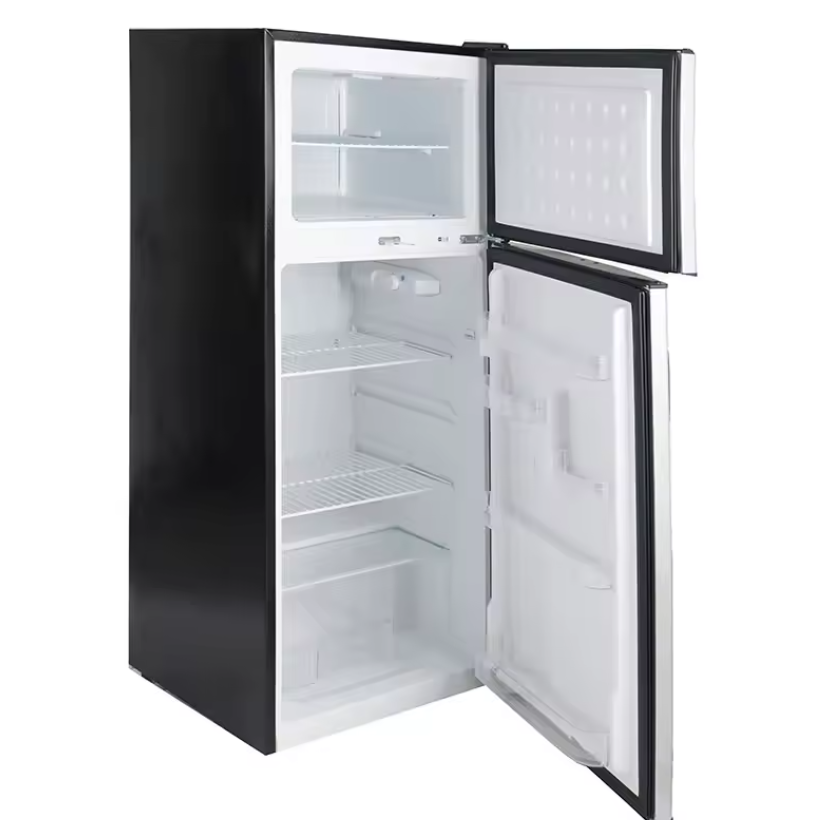
In today's volatile global marketplace, businesses that rely on single-source procurement strategies face unprecedented vulnerability to supply chain disruptions. For companies in the commercial refrigeration sector, these risks can manifest as production halts, inventory shortages, quality inconsistencies, and ultimately, significant financial losses. Building a diversified refrigerator supplier network has emerged as a strategic imperative for procurement managers, supply chain directors, and business leaders seeking to protect their operations against the cascading effects of supplier failures, geopolitical tensions, natural disasters, and market fluctuations. This comprehensive approach to supplier management transforms risk from an existential threat into a manageable variable within your operational framework.
The strategic transition from concentrated to diversified supplier relationships requires careful planning, systematic evaluation, and ongoing management. Understanding how supplier diversification directly mitigates specific risk categories enables decision-makers to construct resilient supply networks that maintain continuity even when individual suppliers encounter operational challenges. This article examines the fundamental principles behind supply chain risk mitigation through diversification, explores the practical implementation strategies that leading organizations employ, and provides actionable guidance for building and maintaining a robust refrigerator supplier portfolio that safeguards your business interests while maintaining quality standards and cost efficiency.
Understanding Supply Chain Vulnerability in Refrigeration Procurement
The Hidden Costs of Single-Source Dependency
Organizations that maintain relationships with only one refrigerator supplier operate under a perpetual state of hidden risk exposure. When your entire inventory pipeline depends on a single manufacturing partner, any disruption at that source creates an immediate crisis that can halt your operations within days. The financial implications extend far beyond the immediate cost of stockouts—they include lost revenue from unfulfilled orders, expedited shipping costs when scrambling for alternative sources, potential contract penalties for delayed deliveries to your customers, and the long-term reputational damage that accompanies reliability failures. Single-source arrangements also eliminate competitive pressure, often resulting in gradual price increases and declining service quality as the supplier recognizes your dependency.
The illusion of efficiency that single-source relationships create stems from simplified administrative processes and potentially lower per-unit costs through volume concentration. However, this apparent efficiency evaporates the moment supply continuity breaks down. Manufacturing facilities face equipment failures, labor disputes, regulatory compliance issues, and natural disasters—all events that occur with statistical regularity across global manufacturing centers. When your sole refrigerator supplier experiences any of these disruptions, your business absorbs the full impact without buffer capacity or alternative channels. The true cost calculation must include risk-weighted scenarios that account for disruption probability and business impact magnitude, revealing that diversification represents not an added expense but rather insurance against catastrophic operational failure.
Mapping Risk Categories Across the Supply Chain
Effective risk mitigation begins with comprehensive identification of vulnerability points throughout your refrigeration supply network. Supplier-specific risks include financial instability leading to bankruptcy, quality control failures resulting in defective products, capacity constraints during demand surges, and management changes that alter business priorities or service commitments. These internal supplier risks operate independently from your business but directly impact your ability to fulfill customer obligations. Geographic concentration risks emerge when multiple suppliers operate within the same region, exposing your supply chain to localized disruptions such as regional power outages, transportation infrastructure failures, regulatory changes affecting an entire manufacturing zone, or natural disasters impacting a geographic area.
Geopolitical risks represent another critical category that has gained prominence in recent years as trade tensions, tariff implementations, and export restrictions create sudden barriers to international procurement. When your refrigerator supplier base concentrates in a single country or political jurisdiction, policy changes can instantly transform reliable supply relationships into inaccessible sources. Technological and compliance risks arise as evolving energy efficiency standards, refrigerant regulations, and safety certifications create moving targets that not all suppliers navigate successfully. Suppliers that fail to maintain regulatory compliance or adopt new technological standards become liabilities rather than assets, potentially exposing your business to legal risks or forcing expensive product transitions under time pressure.
The Business Case for Strategic Diversification
Building a diversified refrigerator supplier network delivers measurable business value across multiple performance dimensions beyond pure risk reduction. Competitive dynamics improve substantially when suppliers understand they compete for your business rather than holding monopolistic positions. This competitive environment naturally drives better pricing, more responsive service, accelerated innovation adoption, and greater flexibility during contract negotiations. Quality improvements often follow diversification as suppliers recognize that performance deficiencies will result in volume shifts to competing sources, creating intrinsic motivation for continuous improvement without requiring adversarial procurement tactics.
Market intelligence gathering becomes significantly more effective when you maintain relationships with multiple suppliers across different regions and market segments. Each Refrigerator Supplier brings unique perspectives on emerging technologies, shifting consumer preferences, regulatory developments, and competitive movements within their respective markets. This collective intelligence provides strategic advantages in product planning, market positioning, and proactive adaptation to industry changes. Financial flexibility expands as well, with diversified sourcing enabling more sophisticated working capital management through staggered payment terms, regional currency optimization, and the ability to shift volumes based on favorable exchange rate movements or regional economic conditions.
Designing an Optimal Supplier Diversification Strategy
Establishing Selection Criteria and Qualification Standards
The foundation of an effective diversified supplier network rests on rigorous qualification standards that ensure each refrigerator supplier meets your operational requirements while contributing to overall risk reduction objectives. Technical capability assessment should examine manufacturing processes, quality control systems, testing protocols, certification holdings, and production capacity headroom beyond current commitments. Financial stability evaluation requires analysis of credit ratings, financial statements, ownership structure, and business continuity planning to ensure suppliers possess the resources to weather economic downturns and maintain long-term viability as supply partners.
Geographic and operational diversity criteria should explicitly target complementary risk profiles that avoid concentrating vulnerabilities. Ideal supplier portfolios include partners from different countries or regions, those utilizing different manufacturing technologies or component sources, and entities with varied business models such as specialized manufacturers versus diversified industrial companies. Communication capabilities and cultural compatibility warrant careful assessment as well, since effective collaboration across language barriers and time zones requires suppliers with strong English proficiency, responsive communication systems, and demonstrated experience serving international customers successfully.
Determining Optimal Supplier Portfolio Composition
Strategic supplier portfolio design balances diversification benefits against the coordination complexity and potential scale disadvantages of spreading volumes too thinly. Leading procurement organizations typically structure refrigerator supplier networks around a tiered model featuring a primary supplier handling forty to fifty percent of volume, two to three secondary suppliers each managing fifteen to twenty-five percent, and one to two tertiary suppliers maintaining smaller volume allocations primarily for strategic optionality. This structure preserves some scale advantages with primary partners while ensuring sufficient volume with alternatives to maintain engagement and rapid scaling capability when needed.
Product line allocation represents another critical design consideration, with strategic value in aligning specific refrigerator categories or specifications with particular suppliers based on their core competencies. Assigning commercial-grade units to one refrigerator supplier while sourcing residential products from another creates natural specialization that improves quality outcomes while maintaining diversification benefits. Similarly, emerging product categories or innovative designs might be directed toward smaller, more agile suppliers capable of rapid development cycles, while mature, high-volume products flow through established suppliers with proven production efficiency and quality consistency.
Implementing Gradual Transition and Testing Protocols
Transitioning from concentrated to diversified sourcing requires methodical execution to avoid creating new risks during the transformation process itself. Phased volume migration allows systematic testing of new refrigerator supplier relationships under controlled conditions before committing significant business volume. Initial orders should focus on lower-risk product categories or smaller quantity commitments that enable comprehensive evaluation of supplier performance across quality, delivery reliability, communication responsiveness, and problem resolution capabilities without exposing core business operations to untested partners.
Parallel sourcing during transition periods—where you temporarily increase total procurement to overlap existing and new suppliers—provides valuable comparative data while maintaining supply security. This approach enables direct quality comparisons, delivery performance benchmarking, and customer feedback collection across multiple sources before making final allocation decisions. Documentation of performance metrics throughout testing phases creates objective decision criteria and establishes baseline expectations for ongoing supplier management. Contractual structures during initial engagement periods should emphasize flexibility with shorter commitment terms, clearly defined performance standards, and explicit volume ramp provisions tied to demonstrated capability milestones.
Operational Management of Multi-Supplier Networks
Establishing Performance Monitoring Systems
Effective management of a diversified refrigerator supplier network demands systematic performance measurement that enables data-driven decision-making and continuous improvement. Comprehensive scorecards should track quality metrics including defect rates, return rates, compliance with specifications, and customer satisfaction indicators specific to products from each supplier. Delivery performance measurement must capture on-time delivery rates, lead time consistency, order accuracy, and responsiveness to expedited requests or schedule changes. Cost performance extends beyond unit pricing to include total landed cost calculations that incorporate transportation expenses, customs duties, payment terms impact, and any quality-related costs such as inspection requirements or defect remediation.
Regular business reviews with each refrigerator supplier transform raw performance data into actionable insights and relationship strengthening opportunities. Quarterly or semi-annual review meetings should present performance trends, discuss improvement initiatives, review capacity planning for anticipated demand changes, and address any emerging concerns before they escalate into serious problems. These structured interactions also provide forums for suppliers to present innovation proposals, discuss industry developments, and deepen mutual understanding that enhances collaboration quality. Performance data transparency—sharing comparative metrics and clear expectations—motivates continuous improvement while maintaining professional relationships built on objective standards rather than subjective preferences.
Managing Communication and Coordination Complexity
Operating relationships with multiple suppliers inherently increases coordination requirements compared to single-source arrangements, necessitating systematic communication protocols and centralized information management. Standardized ordering processes, specification documentation, and quality requirements across all refrigerator supplier relationships reduce confusion and minimize errors that arise from inconsistent procedures. Digital procurement platforms and supplier portals enable efficient order placement, real-time status visibility, document sharing, and performance tracking while reducing the manual coordination burden that would otherwise consume excessive staff time.
Clear primary contact designation within your organization and within each supplier organization streamlines communication pathways and ensures accountability. While multiple stakeholders may interact across organizations, identifying specific individuals responsible for overall relationship management, technical coordination, quality issues, and logistics coordination prevents communication gaps and finger-pointing when problems arise. Regular communication cadences—weekly status calls during active production periods, monthly operational reviews, and quarterly strategic discussions—create predictable interaction patterns that keep all parties aligned without requiring constant ad-hoc coordination that disrupts operational efficiency.
Balancing Inventory Strategy Across Multiple Sources
Diversified sourcing impacts inventory management strategy, requiring careful optimization to capture risk mitigation benefits without creating excessive working capital burdens. Safety stock calculations should explicitly account for the reduced supply disruption risk that diversification provides, potentially enabling lower overall buffer inventory than single-source arrangements would require for equivalent service level targets. However, inventory must be strategically positioned to enable rapid supplier substitution when disruptions occur, which may require maintaining some stock of equivalent products from multiple suppliers rather than concentrating inventory in the lowest-cost option.
Product interchangeability planning enhances the flexibility value of diversified refrigerator supplier networks. Where feasible, specification harmonization across suppliers—ensuring that products from different sources meet identical functional requirements and can be used interchangeably by your customers—maximizes your ability to shift demand rapidly when supply constraints emerge. This approach requires upfront investment in specification development and supplier capability building but delivers substantial optionality during disruption scenarios. For products where complete interchangeability proves technically infeasible, clear documentation of differences and systematic customer communication about sourcing flexibility expectations prevents confusion when supply-driven substitutions become necessary.
Advanced Risk Mitigation Tactics and Continuous Improvement
Developing Contingency Activation Protocols
The ultimate test of a diversified supplier network arrives when disruptions actually occur, making prepared contingency protocols essential for realizing risk mitigation value. Documented escalation procedures should define trigger conditions that activate contingency responses—such as supplier delivery failures, quality issues exceeding thresholds, or notification of production disruptions—and specify immediate actions including alternative supplier notification, expedited ordering authorization, and customer communication requirements. Decision authority clarity prevents paralysis during crisis situations, with pre-approved contingency spending limits and volume reallocation authority enabling rapid response without requiring emergency approvals that introduce delays.
Scenario planning exercises conducted annually or semi-annually test contingency protocols and identify gaps before real disruptions expose weaknesses. Tabletop exercises that simulate various disruption scenarios—a primary refrigerator supplier experiencing a factory fire, sudden tariff implementation on imports from a specific country, or quality failures requiring product recalls—enable teams to practice response procedures and reveal coordination challenges or resource gaps. These exercises also maintain organizational awareness and preparedness, ensuring that team members understand their roles and can execute effectively under pressure when actual disruptions occur rather than improvising responses during crisis conditions.
Leveraging Technology for Enhanced Visibility and Control
Modern supply chain technology platforms transform diversified supplier network management from a coordination challenge into a strategic advantage through enhanced visibility and analytical capabilities. Cloud-based procurement systems integrate data from multiple refrigerator supplier relationships into unified dashboards that provide real-time visibility into order status, inventory positions, quality metrics, and financial performance across your entire supply base. This consolidated view enables pattern recognition and proactive decision-making that would be impossible when managing supplier relationships through disconnected systems or manual processes.
Advanced analytics and artificial intelligence applications identify emerging risks before they materialize into disruptions by detecting subtle performance degradation patterns, financial stress indicators, or quality drift that human observers might miss amid operational noise. Predictive models can forecast supply constraint probability based on historical patterns, seasonal factors, and external data sources such as economic indicators or weather patterns affecting key manufacturing regions. These insights enable preemptive actions such as inventory building ahead of anticipated constraints or proactive alternative supplier engagement before disruptions force reactive scrambling under time pressure and limited options.
Building Collaborative Supplier Development Programs
Strategic relationships with multiple refrigerator supplier partners create opportunities for collaborative capability development that enhances overall network performance beyond what market-based transactional relationships could achieve. Joint improvement initiatives might address specific technical challenges, quality enhancement projects, or cost reduction programs where your expertise and resources combine with supplier capabilities to achieve outcomes neither party could accomplish independently. These collaborative efforts deepen relationships, align interests beyond pure price negotiation dynamics, and create switching costs that stabilize supplier commitments even during periods when competitors offer marginally better pricing.
Technology sharing and capability transfer programs accelerate supplier performance improvements while strengthening strategic alignment. Providing training on quality management methodologies, introducing suppliers to advanced testing equipment or production techniques, or facilitating connections with complementary service providers all contribute to supplier capability enhancement that ultimately benefits your business through improved product quality, reduced lead times, or cost efficiencies. This investment approach recognizes that supplier success and your procurement success are interdependent, creating partnership dynamics that transcend simple buyer-seller transactions and build resilient relationships that weather market fluctuations and competitive pressures more effectively than purely transactional arrangements.
Strategic Integration of Diversification into Broader Business Planning
Aligning Supplier Strategy with Corporate Risk Management
Effective supplier diversification functions as a component within comprehensive corporate risk management frameworks rather than as an isolated procurement tactic. Enterprise risk assessment processes should explicitly identify supply chain vulnerabilities and quantify potential business impacts, enabling rational investment decisions about diversification initiatives based on risk-weighted return calculations. This integration ensures that resources devoted to building and maintaining diversified refrigerator supplier networks reflect actual business exposure and align with corporate risk tolerance levels established through board-level governance processes.
Cross-functional collaboration between procurement, operations, finance, and risk management teams creates shared ownership of supply chain resilience objectives and ensures that diversification strategies account for constraints and priorities across organizational functions. Finance perspectives on working capital implications, operations insights regarding technical requirements and quality standards, and risk management expertise in scenario modeling and impact assessment all contribute essential inputs to supplier network design decisions. This collaborative approach also facilitates more effective communication with executive leadership and board members regarding supply chain risk posture and the business value delivered through strategic supplier diversification investments.
Communicating Diversification Value to Stakeholders
Demonstrating the business value of diversified supplier networks requires translating abstract risk reduction concepts into concrete financial and operational metrics that resonate with various stakeholder groups. Executive leadership typically responds to risk-adjusted cost comparisons that incorporate disruption probability and business impact calculations, revealing that diversification represents cost-effective insurance rather than added expense. Quantifying avoided disruptions through scenario analysis—calculating revenue at risk from single-source dependency and demonstrating diversification's role in protecting that revenue—creates compelling business cases that justify ongoing investment in supplier network management.
Customer communication regarding supply chain resilience increasingly factors into competitive differentiation, particularly for B2B relationships where your customers' operations depend on your reliable delivery. Articulating your diversified refrigerator supplier strategy and demonstrating sophisticated risk management capabilities can strengthen customer confidence, support premium pricing, and provide competitive advantages during customer procurement decisions. This transparency about supply chain robustness transforms what might be viewed as internal operational complexity into external market value that enhances your commercial position and strengthens customer relationships through demonstrated commitment to reliability.
Adapting Strategy to Evolving Market Conditions
Supplier diversification strategies must evolve continuously as market conditions, technology landscapes, regulatory environments, and competitive dynamics shift. Regular strategy reviews—annually at minimum and more frequently during periods of significant market change—should reassess supplier portfolio composition, evaluate whether existing suppliers continue meeting strategic objectives, and identify emerging opportunities or risks that warrant network adjustments. This dynamic approach recognizes that optimal supplier configurations change over time and that static strategies gradually lose effectiveness as external conditions evolve.
Emerging supplier identification and evaluation processes should operate continuously rather than only when existing relationships falter. Maintaining awareness of new entrants to the refrigerator supplier market, monitoring technology developments that might shift competitive advantages among suppliers, and tracking geopolitical or economic changes affecting different sourcing regions all contribute to proactive strategy adaptation. Building relationships with promising emerging suppliers before urgent needs arise enables more thorough evaluation and smoother integration when diversification adjustments become strategically valuable, avoiding the compressed timelines and limited options that characterize reactive supplier additions during crisis situations.
FAQ
What percentage of procurement volume should be allocated to a primary refrigerator supplier versus alternatives?
Most successful diversification strategies allocate forty to fifty percent of total volume to a primary refrigerator supplier, with two to three secondary suppliers each receiving fifteen to twenty-five percent of volume. This structure maintains sufficient scale with the primary partner to secure favorable pricing and prioritized service while ensuring alternative suppliers receive enough business to maintain engagement and rapid scaling capability when needed. The specific allocation should be adjusted based on your total volume, the minimum order quantities that suppliers require for cost-effective production, and your risk tolerance regarding supply concentration.
How do I manage the additional complexity and costs associated with maintaining relationships with multiple suppliers?
Effective management of multiple refrigerator supplier relationships requires investment in standardized processes, digital procurement tools, and dedicated supplier management resources. Implementing cloud-based procurement platforms that consolidate ordering, tracking, and performance monitoring across all suppliers significantly reduces coordination complexity while providing visibility that manual systems cannot match. Standardizing specifications, quality requirements, and communication protocols across all suppliers minimizes confusion and reduces the training burden. The incremental costs of these systems and resources should be evaluated against the risk-adjusted value of supply chain resilience, which typically demonstrates substantial positive return on investment when disruption probabilities and business impact costs are properly quantified.
How quickly can I realistically transition from single-source to diversified sourcing without disrupting operations?
Prudent transition timelines typically span twelve to eighteen months from initial planning through full implementation of a diversified supplier network. This timeframe allows for comprehensive supplier identification and qualification processes, initial small-volume testing to validate capabilities, gradual volume ramping that enables performance assessment under realistic conditions, and systematic transition of larger volume commitments once alternative suppliers demonstrate reliable performance. Attempting to compress this timeline significantly increases the risk of quality problems, delivery failures, or coordination breakdowns that could create the very disruptions that diversification aims to prevent. Organizations facing imminent single-source risk may need to accept some compressed timeline risks, but should still maintain phased approaches that test new suppliers before committing critical business volumes.
Should geographic diversification prioritize suppliers in different countries or simply different regions within the same country?
Optimal geographic diversification strategy depends on your specific risk profile and the disruption types most likely to impact your business. International diversification across multiple countries provides the strongest protection against country-specific risks including trade policy changes, currency fluctuations, political instability, and national regulatory shifts. However, international sourcing introduces complexity related to customs, longer lead times, and communication challenges. Domestic regional diversification offers meaningful protection against natural disasters, regional infrastructure failures, and localized labor disputes while maintaining simpler logistics and communication. Many organizations employ layered approaches with primary and secondary suppliers in different countries for maximum geopolitical risk protection, supplemented by domestic alternatives that provide rapid response capability for short-term disruptions affecting international shipments.
Table of Contents
- Understanding Supply Chain Vulnerability in Refrigeration Procurement
- Designing an Optimal Supplier Diversification Strategy
- Operational Management of Multi-Supplier Networks
- Advanced Risk Mitigation Tactics and Continuous Improvement
- Strategic Integration of Diversification into Broader Business Planning
-
FAQ
- What percentage of procurement volume should be allocated to a primary refrigerator supplier versus alternatives?
- How do I manage the additional complexity and costs associated with maintaining relationships with multiple suppliers?
- How quickly can I realistically transition from single-source to diversified sourcing without disrupting operations?
- Should geographic diversification prioritize suppliers in different countries or simply different regions within the same country?