EN
EN

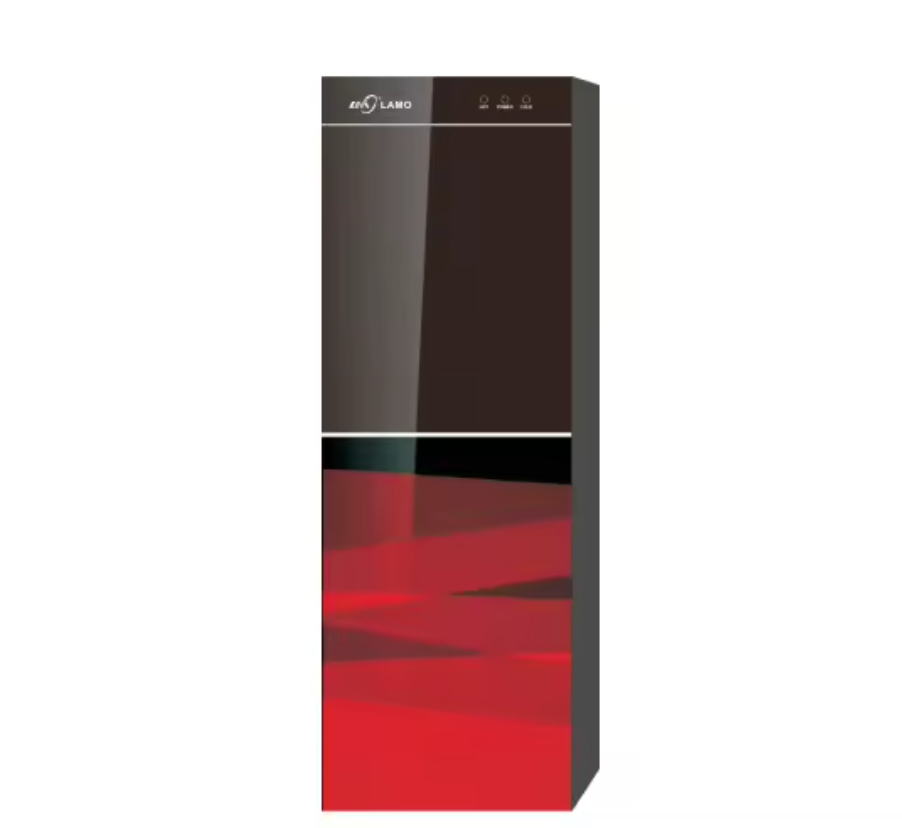
In today's competitive commercial refrigeration landscape, businesses require freezer solutions that precisely align with their operational requirements, brand identity, and market positioning. Generic, off-the-shelf freezer units often fall short of meeting specialized storage demands, spatial constraints, or energy efficiency targets that define successful cold chain operations. This is where partnering with an experienced freezer manufacturer capable of delivering custom OEM solutions transforms product vision into market-ready reality. Custom OEM freezer manufacturing bridges the gap between standardized equipment and the unique performance specifications that discerning businesses demand, enabling brands to differentiate themselves through tailored refrigeration technology that serves their exact application needs.
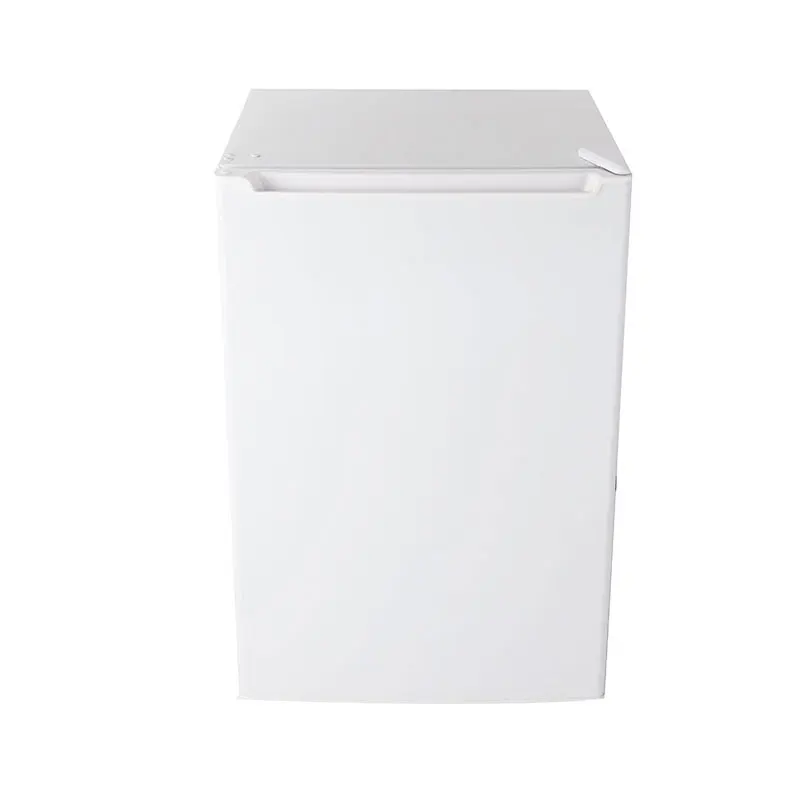
Working with a specialized freezer manufacturer for custom OEM projects delivers strategic advantages that extend far beyond simple equipment procurement. These partnerships unlock access to deep engineering expertise, flexible manufacturing capabilities, and quality assurance protocols that ensure every freezer unit reflects the client's brand standards and operational objectives. Whether developing innovative upright freezer designs for retail environments, specialized chest freezers for laboratory applications, or energy-optimized commercial units for hospitality operations, a collaborative approach with the right manufacturing partner converts technical requirements and market insights into reliable, performance-driven refrigeration equipment that strengthens competitive positioning and enhances customer satisfaction.
Understanding the Custom OEM Freezer Manufacturing Advantage
What Defines Custom OEM Freezer Production
Custom OEM freezer manufacturing represents a collaborative development process where a qualified freezer manufacturer works directly with client brands to design, engineer, and produce refrigeration equipment tailored to specific functional requirements, aesthetic preferences, and market positioning strategies. Unlike mass-produced standard models, custom OEM freezers incorporate client-specified features ranging from unique capacity configurations and specialized temperature control systems to branded exterior finishes and proprietary control interfaces. This manufacturing approach allows businesses to introduce freezer products under their own brand identity while leveraging the technical capabilities, production infrastructure, and quality systems of an established manufacturing partner.
The custom OEM process typically begins with detailed requirement specification, where clients articulate their operational needs, target market characteristics, regulatory compliance requirements, and desired product differentiation features. An experienced freezer manufacturer then translates these specifications into technical designs, prototype development, and iterative refinement cycles that validate performance characteristics before committing to full-scale production. This collaborative methodology ensures that final products meet exact functional standards while maintaining cost-effectiveness and manufacturability at planned production volumes.
Strategic Business Benefits of Custom Freezer Solutions
Partnering with a capable freezer manufacturer for custom OEM development delivers multiple strategic advantages that strengthen market competitiveness and operational efficiency. Brand differentiation represents perhaps the most immediate benefit, as custom-designed freezers enable businesses to introduce unique products that stand apart from generic competitors, reinforcing brand identity through distinctive design elements, innovative features, and specialized performance capabilities that resonate with target customer segments. This differentiation supports premium positioning strategies and builds customer loyalty through superior product experiences that generic alternatives cannot replicate.
Beyond branding advantages, custom OEM freezer manufacturing optimizes total cost of ownership by eliminating unnecessary features while incorporating functionality that directly addresses operational requirements. A qualified freezer manufacturer collaborates with clients to design refrigeration systems that balance initial investment with long-term operating efficiency, reliability, and maintenance accessibility. This precision engineering approach reduces energy consumption, extends equipment service life, and minimizes downtime, delivering measurable financial returns that justify custom development investments. Additionally, working directly with a manufacturing partner streamlines supply chain management, reduces inventory complexity, and accelerates time-to-market for new product introductions or market-specific adaptations.
Core Capabilities That Define Expert Freezer Manufacturing Partners
Engineering Expertise and Design Flexibility
The foundation of successful custom OEM freezer projects rests upon the engineering capabilities and design flexibility that an experienced freezer manufacturer brings to collaborative partnerships. Technical expertise spans thermal engineering, refrigeration cycle optimization, materials science, and control system integration, enabling manufacturers to translate diverse client requirements into practical, manufacturable designs that meet performance specifications while adhering to regulatory standards. This engineering depth allows for innovation in compressor selection, insulation technology, airflow management, and defrost systems that optimize energy efficiency and temperature stability across varying operational conditions.
Design flexibility extends beyond technical specifications to encompass aesthetic customization, spatial configuration, and user interface development that align with brand identity and end-user preferences. A capable freezer manufacturer maintains design capabilities that accommodate unique cabinet dimensions, specialized interior layouts, custom door configurations, and branded control panels that reflect client visual standards. This flexibility enables development of freezer solutions for diverse applications, from compact undercounter units for space-constrained environments to large-capacity walk-in systems for industrial cold storage, each optimized for its intended operational context while maintaining consistent brand presentation.
Manufacturing Infrastructure and Quality Assurance Systems
Production capability represents another critical factor distinguishing qualified OEM partners, as custom freezer manufacturing requires flexible production systems, skilled workforce capabilities, and quality control protocols that ensure consistency across production runs while accommodating design variations. An established freezer manufacturer operates production facilities equipped with specialized fabrication equipment, refrigeration assembly lines, and testing infrastructure that support both prototype development and volume production. This manufacturing infrastructure enables efficient transitions from initial samples through pilot production to full-scale manufacturing, maintaining quality standards and delivery timelines throughout the product lifecycle.
Comprehensive quality assurance systems embedded throughout the manufacturing process provide confidence that every freezer unit meets specified performance standards and reliability expectations. Leading manufacturers implement multi-stage inspection protocols, refrigeration system testing, temperature stability verification, and energy consumption validation that identify potential issues before products reach end users. These quality systems typically incorporate international standards compliance verification, ensuring that custom freezer designs meet relevant safety certifications, environmental regulations, and energy efficiency requirements for target markets. Working with a Freezer Manufacturer that prioritizes quality assurance minimizes post-delivery service issues and protects brand reputation through consistent product performance.
The Custom OEM Development Process From Concept to Production
Initial Consultation and Requirement Definition
Successful custom freezer projects begin with thorough consultation processes where clients and manufacturing partners establish clear, comprehensive requirement definitions that guide subsequent development activities. During this foundational phase, businesses articulate their operational needs, target market characteristics, competitive positioning objectives, and specific performance expectations that custom freezer solutions must address. An experienced freezer manufacturer facilitates this dialogue through structured requirement gathering methodologies that capture functional specifications, aesthetic preferences, budget parameters, and timeline expectations, creating documented project frameworks that align stakeholder expectations and establish success criteria.
Requirement definition extends beyond basic performance specifications to encompass regulatory compliance needs, sustainability objectives, after-sales service considerations, and potential future product evolution pathways. Comprehensive requirement documentation addresses temperature range requirements, capacity specifications, energy efficiency targets, noise level limitations, installation constraints, and user interface expectations. This detailed specification process enables the freezer manufacturer to assess technical feasibility, identify potential design challenges, and propose innovative solutions that balance competing requirements while maintaining cost-effectiveness and manufacturability within planned production volumes.
Prototype Development and Iterative Refinement
Following requirement validation, the development process advances to prototype creation, where initial designs materialize into functional freezer units that clients can evaluate against performance expectations and operational requirements. Prototype development allows for hands-on assessment of design concepts, identifying refinement opportunities before committing to production tooling and full-scale manufacturing investments. A collaborative freezer manufacturer approaches prototyping as an iterative learning process, incorporating client feedback, performance testing results, and design optimization insights into successive prototype generations that progressively converge on final product specifications.
This refinement phase typically involves multiple evaluation cycles addressing performance validation, user experience testing, aesthetic finalization, and manufacturing process optimization. Temperature stability testing, energy consumption measurement, noise level assessment, and durability evaluation provide objective performance data that guide design adjustments. Simultaneously, ergonomic evaluation, visual appearance review, and operational workflow testing ensure that custom freezers meet end-user expectations and brand presentation standards. Throughout this iterative process, experienced manufacturers maintain transparent communication regarding technical tradeoffs, cost implications, and timeline impacts, enabling informed decision-making that balances competing priorities while advancing toward production readiness.
Production Launch and Ongoing Support
Transition from approved prototypes to full-scale production represents a critical phase where manufacturing expertise, quality systems, and supply chain management converge to deliver consistent, reliable freezer units at planned volumes and timelines. A qualified freezer manufacturer manages this transition through structured production launch protocols that include tooling fabrication, supplier qualification, workforce training, and quality checkpoint establishment. Initial production runs receive enhanced oversight and testing to verify that manufacturing processes consistently replicate prototype performance characteristics, with any deviations triggering immediate corrective actions before significant volumes are produced.
Beyond initial production launch, ongoing partnership support ensures long-term product success through continuous quality monitoring, supply chain optimization, design evolution support, and after-sales service coordination. Established manufacturers maintain communication channels that facilitate rapid response to field performance feedback, enabling proactive quality improvements and design refinements that enhance product competitiveness throughout market lifecycles. This ongoing collaboration may extend to developing product line extensions, regional market adaptations, or next-generation models that build upon initial custom freezer platforms, maximizing return on development investments while maintaining consistent brand identity and customer satisfaction.
Key Considerations When Selecting Your Freezer Manufacturing Partner
Technical Capabilities and Industry Experience
Selecting the right freezer manufacturer for custom OEM projects requires careful evaluation of technical capabilities, industry experience, and cultural fit that determine partnership success. Technical assessment should examine engineering depth across refrigeration system design, thermal management, materials selection, and control system integration, ensuring the manufacturer possesses expertise relevant to specific project requirements. Review of existing product portfolios, patent holdings, and case study examples provides insight into innovation capabilities and problem-solving approaches that manufacturers bring to collaborative projects. Industry experience within relevant market segments indicates understanding of application-specific requirements, regulatory landscapes, and competitive dynamics that inform effective product development.
Beyond technical credentials, partnership evaluation should assess communication effectiveness, responsiveness to inquiries, and willingness to engage in transparent dialogue regarding project challenges, timeline realities, and cost implications. A qualified freezer manufacturer demonstrates collaborative mindset through active listening, constructive problem-solving, and flexibility in accommodating evolving project requirements without compromising quality standards or delivery commitments. Cultural alignment around quality expectations, business ethics, and long-term relationship building creates foundation for successful partnerships that extend beyond initial projects to ongoing product evolution and market expansion initiatives.
Production Capacity and Supply Chain Reliability
Manufacturing capacity and supply chain reliability represent practical considerations that directly impact product availability, order fulfillment consistency, and scalability as market demand evolves. Evaluation of production facilities, equipment capabilities, and workforce size provides insight into manufacturer's capacity to meet anticipated order volumes while maintaining quality standards and delivery timelines. Understanding production planning processes, inventory management systems, and capacity allocation methodologies helps assess how manufacturers balance multiple client commitments and prioritize production scheduling during demand fluctuations or component supply disruptions.
Supply chain resilience has gained heightened importance as global component availability, logistics challenges, and geopolitical factors increasingly impact manufacturing operations. A dependable freezer manufacturer maintains diversified supplier relationships, strategic component inventory, and contingency planning that mitigate supply disruption risks. Inquiry into supplier qualification processes, quality control protocols for incoming materials, and supply chain visibility systems reveals manufacturer's proactive approach to maintaining production continuity. Additionally, understanding manufacturer's geographical footprint, logistics partnerships, and export capabilities ensures alignment with target market distribution requirements and regulatory compliance needs across different jurisdictions.
Industry Applications and Market Opportunities for Custom Freezer Solutions
Commercial and Retail Refrigeration Markets
Custom OEM freezer manufacturing serves diverse commercial and retail applications where specialized refrigeration requirements, brand presentation needs, and operational efficiency objectives drive demand for tailored solutions. Supermarket chains, convenience stores, and specialty food retailers increasingly seek freezer equipment that optimizes merchandising effectiveness through custom cabinet designs, specialized lighting systems, and energy-efficient operation that reduces operating costs while enhancing product visibility. Working with an experienced freezer manufacturer enables retail brands to develop signature equipment lines that reinforce brand identity, improve customer shopping experiences, and differentiate store environments from competitors using generic refrigeration equipment.
Foodservice operations including restaurants, hotels, catering facilities, and institutional kitchens represent another significant market segment benefiting from custom freezer solutions. These applications often require specialized capacity configurations, unique spatial footprints, and specific temperature control capabilities that standard products cannot accommodate. Custom development enables foodservice equipment brands to offer freezer solutions optimized for particular cuisine types, service models, or operational workflows, creating competitive advantages through equipment that enhances kitchen efficiency, food quality preservation, and operational reliability.
Healthcare and Laboratory Specialized Applications
Healthcare facilities, research laboratories, and pharmaceutical operations require ultra-precise temperature control, specialized monitoring capabilities, and regulatory compliance features that demand custom freezer engineering. An experienced freezer manufacturer brings expertise in developing ultra-low temperature systems, precise temperature uniformity, comprehensive data logging, and alarm systems that meet stringent regulatory standards for medical specimen storage, vaccine preservation, and research sample management. Custom development in these applications addresses unique requirements such as backup power integration, contamination prevention, sample organization systems, and audit trail documentation that generic commercial freezers cannot provide.
The growing biopharmaceutical sector, expanding vaccine distribution networks, and increasing research activity in life sciences drive sustained demand for specialized freezer solutions that balance performance precision with operational reliability and regulatory compliance. Custom OEM partnerships enable healthcare equipment suppliers and pharmaceutical logistics providers to develop freezer systems specifically engineered for their operational protocols, facility constraints, and quality assurance requirements. These specialized applications often justify premium investments in custom development through the critical nature of stored materials, regulatory compliance mandates, and operational consequences of equipment failure, making partnership with a qualified freezer manufacturer essential for market success.
FAQ
What minimum order quantities are typically required for custom OEM freezer manufacturing?
Minimum order quantities for custom OEM freezer projects vary significantly based on design complexity, component specialization, and tooling requirements, but generally range from 100 to 500 units for initial production runs. A qualified freezer manufacturer typically establishes minimum quantities that recover custom tooling investments, setup costs, and engineering development expenses while maintaining competitive unit pricing. Some manufacturers offer flexibility for pilot production runs at higher per-unit costs to facilitate market testing before committing to larger volumes. During initial consultations, experienced manufacturers provide transparent guidance on volume-pricing relationships and break-even thresholds that inform realistic business planning for custom freezer product launches.
How long does the typical custom freezer development process take from concept to production?
Custom freezer development timelines typically span six to twelve months from initial requirement definition through production-ready units, though project complexity, testing requirements, and client approval processes significantly influence actual durations. Initial design and prototype development generally require two to four months, followed by iterative refinement cycles that may extend another two to three months depending on performance validation needs and design adjustment scope. Production tooling fabrication, supplier qualification, and manufacturing process establishment add another two to three months before full-scale production commences. Working with an experienced freezer manufacturer who maintains efficient development processes, established supplier networks, and streamlined approval workflows helps minimize timeline while ensuring thorough validation of all performance and quality requirements.
Can custom OEM freezers meet international energy efficiency and safety standards?
Reputable freezer manufacturers design custom OEM products to comply with relevant international energy efficiency standards, safety certifications, and environmental regulations applicable to target markets. This includes standards such as Energy Star certification, European Union energy labeling requirements, and various national safety certifications that govern commercial refrigeration equipment. During the requirement definition phase, experienced manufacturers identify applicable regulatory standards and incorporate compliance requirements into design specifications, testing protocols, and quality validation procedures. Manufacturers typically maintain relationships with certification bodies and testing laboratories that facilitate efficient compliance verification. Clients should explicitly discuss regulatory requirements for all intended markets during initial consultations to ensure custom freezer designs incorporate necessary compliance features from project inception rather than requiring costly redesign efforts.
What ongoing support should I expect from a custom OEM freezer manufacturing partner?
Comprehensive manufacturing partnerships extend beyond initial product delivery to include ongoing technical support, spare parts availability, warranty service coordination, and product evolution collaboration. A quality-focused freezer manufacturer provides detailed product documentation, maintenance guidelines, and troubleshooting resources that support efficient after-sales service operations. Many manufacturers offer training programs for client service teams, technical support hotlines for field issue resolution, and access to replacement components through established parts distribution channels. Forward-looking partnerships include periodic product performance reviews, design optimization opportunities based on field experience, and collaborative development of product line extensions or next-generation models. When evaluating potential manufacturing partners, clarifying expectations for ongoing support, service level agreements, and long-term relationship structure ensures alignment on partnership scope beyond initial production commitments.
Table of Contents
- Understanding the Custom OEM Freezer Manufacturing Advantage
- Core Capabilities That Define Expert Freezer Manufacturing Partners
- The Custom OEM Development Process From Concept to Production
- Key Considerations When Selecting Your Freezer Manufacturing Partner
- Industry Applications and Market Opportunities for Custom Freezer Solutions
-
FAQ
- What minimum order quantities are typically required for custom OEM freezer manufacturing?
- How long does the typical custom freezer development process take from concept to production?
- Can custom OEM freezers meet international energy efficiency and safety standards?
- What ongoing support should I expect from a custom OEM freezer manufacturing partner?