EN
EN

Selecting the perfect water dispenser for your home or office can significantly impact your daily hydration habits and overall convenience. A quality water dispenser serves as more than just a water source—it becomes an essential appliance that provides instant access to clean, temperature-controlled water throughout the day. Whether you're looking to upgrade your kitchen setup or enhance your workplace environment, understanding the key factors that make a water dispenser exceptional will help you make an informed decision that serves you for years to come.
Understanding Different Types of Water Dispensers
Countertop Water Dispensers
Countertop water dispenser models offer compact solutions for smaller spaces while maintaining full functionality. These units typically feature both hot and cold water options, making them ideal for offices with limited floor space or home kitchens where counter space is at a premium. The convenience of having a water dispenser within arm's reach of your workspace cannot be overstated, as it encourages regular hydration without requiring trips to the kitchen or break room.
Modern countertop water dispenser designs incorporate sleek stainless steel finishes that complement contemporary kitchen aesthetics. These units often include energy-efficient cooling and heating systems that maintain optimal temperatures while minimizing electricity consumption. The compact design doesn't compromise on capacity, as many models can accommodate standard water bottles while providing consistent water flow for multiple users throughout the day.
Freestanding Water Dispensers
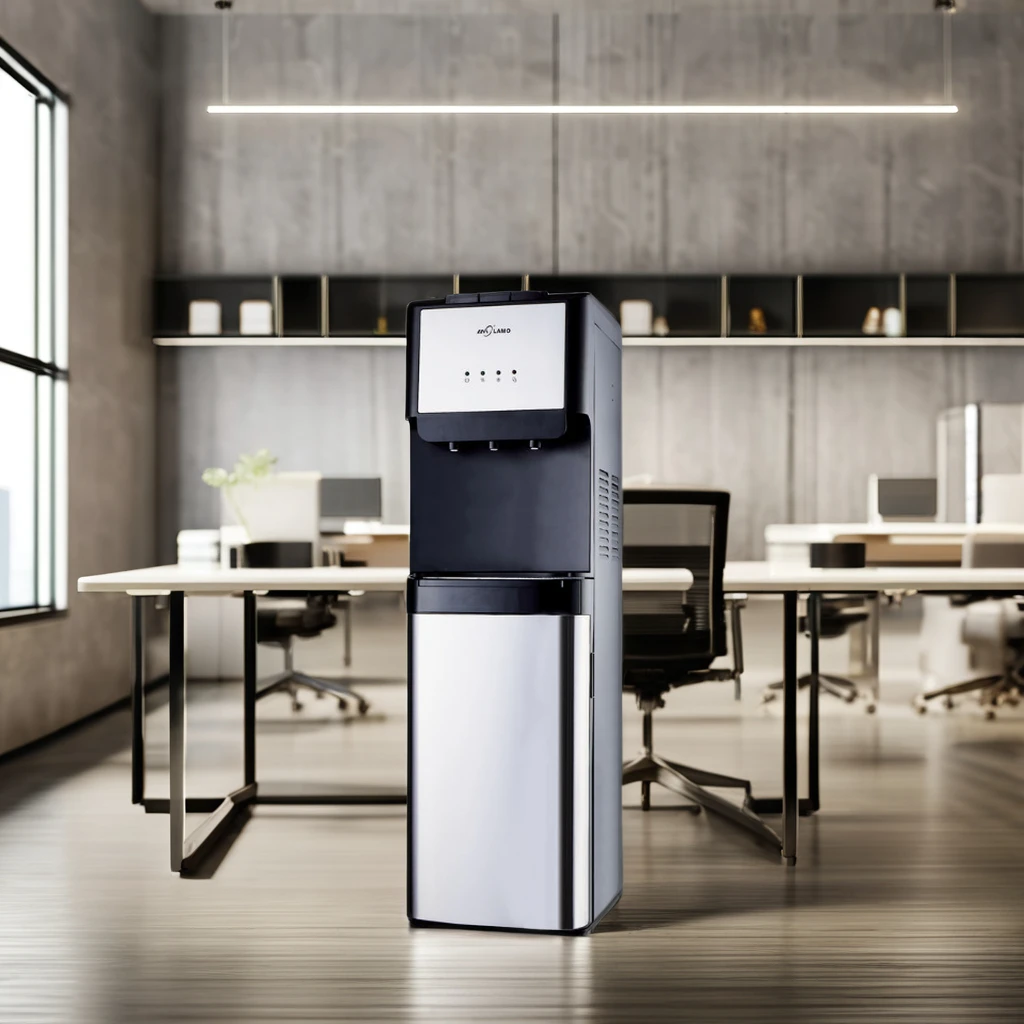
Freestanding models represent the most popular category of water dispenser units, offering maximum capacity and advanced features. These floor-standing units provide excellent stability and can handle high-volume usage in busy office environments or large households. The vertical design allows for larger internal components, resulting in faster heating and cooling capabilities compared to countertop alternatives.
Premium freestanding water dispenser models often include additional features such as child safety locks, LED indicators, and multiple temperature settings. The bottom-loading design has become increasingly popular as it eliminates the need to lift heavy water bottles overhead, reducing the risk of spills and making bottle replacement more convenient for users of all ages and physical capabilities.
Key Features to Consider When Selecting Your Water Dispenser
Temperature Control and Heating Systems
Temperature versatility stands as one of the most important features when evaluating any water dispenser. The ability to dispense both hot and cold water on demand transforms your hydration experience, allowing you to prepare instant beverages, soups, or simply enjoy refreshing cold water. High-quality heating systems should reach optimal temperatures quickly while maintaining consistent heat levels throughout extended use periods.
Advanced water dispenser models incorporate precision temperature controls that allow users to select specific heat levels for different beverages. Some units feature separate heating chambers that ensure hot water availability even during peak usage times. The heating element quality directly impacts both performance and longevity, making stainless steel heating systems preferable for their durability and corrosion resistance.
Cooling Technology and Energy Efficiency
Effective cooling technology ensures that your water dispenser delivers refreshingly cold water consistently, even in warm environments. Compressor-based cooling systems typically outperform thermoelectric alternatives in terms of cooling speed and temperature maintenance. Energy efficiency has become a crucial consideration, as water dispenser units operate continuously to maintain temperature levels.
Look for water dispenser models that feature energy-saving modes or programmable timers that reduce power consumption during off-hours. The insulation quality around cooling chambers directly affects energy requirements, with better-insulated units requiring less electricity to maintain desired temperatures. Some advanced models include eco-friendly refrigerants that provide excellent cooling performance while minimizing environmental impact.
Material Quality and Construction Standards
Stainless Steel Components and Durability
Material selection plays a critical role in determining the longevity and hygiene standards of your water dispenser. Stainless steel construction offers superior resistance to corrosion, bacterial growth, and general wear compared to plastic alternatives. Food-grade stainless steel ensures that your water maintains its pure taste without absorbing odors or flavors from the dispensing system.
High-quality stainless steel water dispenser units feature welded joints rather than glued connections, providing better structural integrity and preventing potential leak points. The internal water pathways benefit significantly from stainless steel construction, as this material doesn't degrade over time and maintains optimal water quality standards. Regular cleaning and maintenance become simpler with stainless steel surfaces that resist staining and bacterial adhesion.
When evaluating a water dispenser, examine the thickness and finish quality of stainless steel components. Premium units often feature brushed or polished finishes that maintain their appearance despite regular use and cleaning. The gauge of stainless steel used in construction directly impacts durability, with heavier-gauge materials providing better resistance to dents and structural damage.
Safety Features and Certifications
Safety considerations should never be overlooked when selecting a water dispenser for any environment. Child safety locks prevent accidental dispensing of hot water, which could cause serious burns if accessed by curious children. These locks should engage automatically and require deliberate action to disengage, ensuring consistent protection without compromising adult accessibility.
Electrical safety certifications from recognized testing laboratories indicate that your water dispenser meets stringent safety standards for electrical components and insulation. Ground fault circuit interrupters (GFCI) protection helps prevent electrical shock hazards, particularly important given the combination of electricity and water in these appliances. Overheating protection systems automatically shut down heating elements if temperatures exceed safe levels.
Installation and Maintenance Considerations
Space Requirements and Placement Options
Proper placement significantly impacts both the functionality and longevity of your water dispenser. Adequate ventilation around cooling and heating components prevents overheating and ensures optimal performance efficiency. Most units require several inches of clearance on all sides to allow proper airflow and easy access for maintenance procedures.
Consider the electrical requirements and proximity to power outlets when planning your water dispenser placement. Some models require dedicated circuits due to their power consumption, particularly units with both heating and cooling capabilities. Floor stability and levelness affect both performance and safety, as uneven surfaces can cause vibration, noise, or even tipping hazards with taller units.
Cleaning Protocols and Filter Maintenance
Regular maintenance ensures that your water dispenser continues providing clean, great-tasting water while operating efficiently. Establish a cleaning schedule that includes weekly exterior cleaning and monthly internal sanitization procedures. Many water dispenser models include self-cleaning functions that simplify maintenance by automatically cycling cleaning solutions through internal water pathways.
Filter replacement intervals vary depending on water quality and usage volume, but most systems require new filters every three to six months. Keep replacement filters in stock to avoid interruptions in water quality when filters reach their capacity limits. Document maintenance activities and filter replacement dates to establish patterns and optimize your maintenance schedule for peak performance.
Cost Analysis and Value Considerations
Initial Investment vs Long-Term Savings
While premium water dispenser models may require a higher initial investment, they often provide better long-term value through improved durability and energy efficiency. Calculate the total cost of ownership by considering electricity consumption, filter replacement costs, and potential repair expenses over the expected lifespan of the unit.
Energy-efficient water dispenser models can significantly reduce electricity costs over time, particularly in high-usage environments. Compare energy consumption ratings and estimate annual operating costs based on your local electricity rates. Factor in the convenience value of having instant hot and cold water available, which can reduce reliance on other appliances and improve overall productivity.
Return on Investment for Business Applications
In office environments, a quality water dispenser can improve employee satisfaction and productivity while reducing costs associated with individual water bottles or trips to purchase beverages. Calculate potential savings from reduced bottled water purchases and improved employee hydration habits that can lead to better health and fewer sick days.
Professional-grade water dispenser units designed for commercial use often include features that justify higher costs through improved reliability and lower maintenance requirements. Consider the impression that a high-quality water dispenser makes on clients and visitors, as it reflects attention to detail and commitment to providing quality amenities.
FAQ
How often should I clean my water dispenser
Clean your water dispenser exterior weekly with mild soap and water, while performing deep cleaning and sanitization monthly. Replace water bottles promptly when empty, and sanitize the bottle connection area each time you change bottles. If you notice any unusual tastes, odors, or visible contamination, perform immediate deep cleaning before continued use.
What size water dispenser works best for office environments
Office water dispenser selection depends on the number of employees and usage patterns. For offices with 10-20 people, a standard freestanding unit typically provides adequate capacity. Larger offices may benefit from high-capacity commercial models or multiple units strategically placed throughout the workspace to ensure convenient access for all employees.
Can I use any brand of water bottles with my dispenser
Most water dispenser units accommodate standard 3-gallon and 5-gallon water bottles from various suppliers. However, check the bottle neck specifications to ensure proper fit and seal. Some dispensers work better with specific bottle designs, so test compatibility before committing to a water delivery service or bulk bottle purchases.
How much electricity does a typical water dispenser consume
Average water dispenser electricity consumption ranges from 300 to 600 watts during active heating and cooling cycles. Energy-efficient models with good insulation and smart controls can reduce consumption by 20-30% compared to basic units. Consider models with energy-saving modes that reduce power consumption during low-usage periods like nights and weekends.