EN
EN
Original Equipment Manufacturers seeking reliable partnerships in appliance production increasingly turn to specialized facilities that understand the complexities of modern consumer demands. A reputable washing machine factory serves as the backbone for brands looking to deliver quality products while maintaining competitive pricing and innovative features. The landscape of appliance manufacturing has evolved significantly, with OEM clients requiring more than just basic production capabilities from their chosen partners.
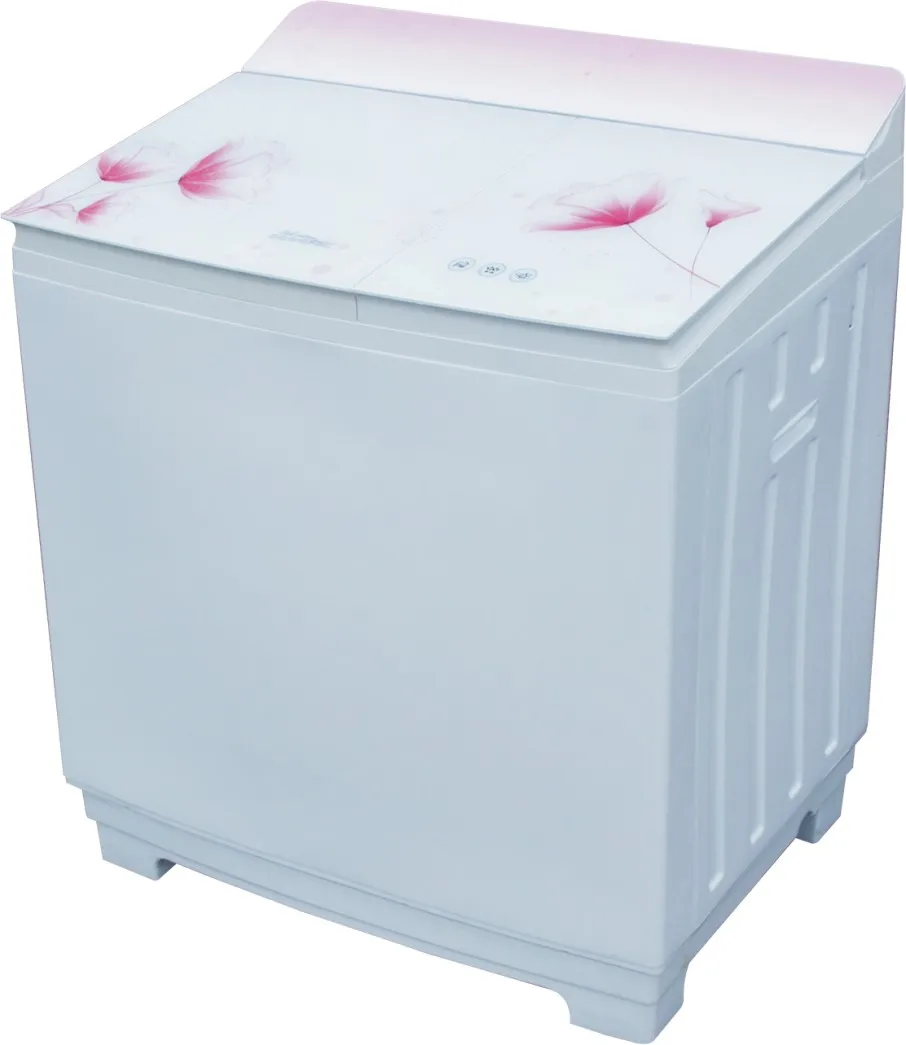
Modern OEM relationships demand flexibility, technical expertise, and comprehensive customization options that go beyond traditional manufacturing approaches. When selecting a washing machine factory for partnership, brands must consider facilities that offer extensive modification capabilities, from aesthetic design elements to functional specifications. The ability to adapt products to specific market requirements while maintaining quality standards distinguishes exceptional manufacturers from standard production facilities.
Successful OEM partnerships require manufacturers who understand global market variations and can accommodate diverse consumer preferences across different regions. A professional washing machine factory invests in advanced technology, skilled workforce development, and quality assurance systems that ensure consistent output regardless of customization complexity. These partnerships often determine the long-term success of appliance brands in competitive international markets.
Design Flexibility and Aesthetic Customization
Exterior Appearance Modifications
Visual differentiation plays a crucial role in brand positioning, making exterior customization one of the most requested services from washing machine factory partners. Color schemes, finish textures, and panel designs can be modified to align with brand identity guidelines and target market preferences. Professional manufacturers maintain extensive color matching capabilities, ensuring consistent reproduction across production batches while accommodating special finishes like brushed metal, glossy surfaces, or textured materials.
Control panel layouts represent another significant customization area where washing machine factory expertise proves invaluable. Button arrangements, display types, and interface designs can be tailored to match user experience expectations specific to different markets. Some regions prefer simplified controls with basic functions, while others demand advanced digital displays with multiple program options and smart connectivity features.
Logo placement and branding elements require careful consideration during the design phase to ensure optimal visibility and brand recognition. Experienced manufacturers work closely with OEM clients to determine the most effective positioning for brand elements while maintaining aesthetic balance and functional accessibility. This collaboration ensures that customized units effectively communicate brand values while meeting practical user requirements.
Internal Configuration Options
Drum capacity variations allow OEM partners to target specific market segments effectively, with washing machine factory capabilities extending from compact units suitable for urban apartments to large-capacity models for family households. Internal drum designs can be modified to accommodate different washing patterns, with options for specialized coatings, perforation patterns, and agitation mechanisms that enhance cleaning performance for specific fabric types or regional washing preferences.
Water level sensors and loading configurations represent technical customization areas where manufacturer expertise becomes essential. Some markets prefer top-loading designs with traditional agitator systems, while others require front-loading configurations with advanced sensor technology. A skilled washing machine factory maintains production flexibility to accommodate both approaches while ensuring optimal performance characteristics for each design variant.
Interior lighting and visibility features have become increasingly important as consumers seek premium appliance experiences. Customization options include LED lighting systems, transparent door panels, and internal viewing windows that enhance user interaction while maintaining energy efficiency standards. These features require careful integration with existing electrical systems and safety protocols.
Technical Specifications and Performance Customization
Motor and Drive System Variations
Motor technology selection significantly impacts product performance, energy efficiency, and market positioning, making it a critical customization area for washing machine factory partnerships. Direct drive systems offer quieter operation and increased durability, while traditional belt-driven motors provide cost-effective solutions for price-sensitive markets. Advanced manufacturers maintain capabilities for both technologies, allowing OEM clients to select optimal configurations based on target market requirements.
Variable speed control systems enable customization of washing cycles to accommodate different fabric types and soil levels. Professional washing machine factory facilities integrate sophisticated motor controllers that allow precise speed regulation, ensuring optimal cleaning performance while minimizing fabric damage. These systems can be programmed with custom cycle parameters that reflect specific market preferences or brand positioning strategies.
Energy efficiency ratings directly influence market acceptance and regulatory compliance across different regions. Experienced manufacturers understand international energy standards and can modify motor systems, insulation properties, and operational algorithms to achieve required efficiency ratings. This technical expertise ensures that customized products meet or exceed regional energy consumption requirements while maintaining desired performance characteristics.
Water Management and Filtration Systems
Water quality variations across global markets necessitate customized filtration and treatment systems within washing machine designs. Professional washing machine factory operations incorporate flexible plumbing configurations that accommodate different water hardness levels, mineral content, and pressure variations common in various regions. These adaptations ensure consistent cleaning performance regardless of local water conditions while preventing premature component degradation.
Drainage system customization addresses regional plumbing standards and installation requirements that vary significantly between markets. Some regions require specific drain hose configurations, pump capacities, or overflow protection systems that must be integrated during manufacturing rather than added as aftermarket modifications. Experienced manufacturers maintain comprehensive knowledge of international plumbing standards and building codes.
Water recycling and conservation features have become increasingly important as environmental regulations tighten across global markets. Advanced washing machine factory capabilities include greywater filtration systems, condensation recovery mechanisms, and intelligent water level sensors that optimize consumption based on load size and soil level. These features require sophisticated integration with existing control systems and user interfaces.
Smart Technology Integration and Connectivity Features
IoT and Smart Home Compatibility
Internet connectivity has transformed appliance expectations, requiring washing machine factory partners to integrate sophisticated communication systems into traditional mechanical designs. Wi-Fi modules, Bluetooth connectivity, and smart home protocol compatibility represent standard customization requests from OEM clients targeting tech-savvy consumer segments. These integrations require careful consideration of antenna placement, electromagnetic interference mitigation, and user interface design that accommodates remote operation capabilities.
Mobile application integration demands collaboration between washing machine factory technical teams and OEM software development departments to ensure seamless user experiences. Custom applications require specific communication protocols, security implementations, and user interface designs that reflect brand identity while maintaining functional reliability. Successful integration projects involve extensive testing protocols that verify performance across various network conditions and mobile device configurations.
Voice control compatibility with popular smart home ecosystems represents an advanced customization area where technical expertise becomes crucial. Integration with Amazon Alexa, Google Assistant, or other voice platforms requires specific hardware configurations and software protocols that must be validated during production. Professional manufacturers maintain testing capabilities for these advanced features while ensuring compliance with privacy and security regulations.
Diagnostic and Maintenance Systems
Self-diagnostic capabilities reduce service calls and improve customer satisfaction, making them valuable customization options for OEM partners. Advanced washing machine factory systems incorporate sensor networks that monitor component performance, detect potential failures, and provide preventive maintenance recommendations through connected interfaces. These systems require sophisticated programming and extensive component integration that goes beyond basic manufacturing capabilities.
Remote troubleshooting features enable service technicians to diagnose problems without physical inspection, reducing service costs and improving customer experiences. Implementation requires secure communication protocols, comprehensive sensor integration, and user-friendly interfaces that facilitate remote assistance. Experienced manufacturers understand the technical requirements for these advanced diagnostic systems while maintaining appropriate security measures.
Predictive maintenance algorithms analyze usage patterns and component wear to provide proactive service recommendations. These systems require extensive data collection capabilities, cloud connectivity, and sophisticated analysis algorithms that must be customized for specific market conditions and usage patterns. Professional washing machine factory operations maintain technical capabilities for implementing these advanced features while ensuring data privacy compliance.
Quality Control and Testing Customization
Performance Validation Protocols
Custom testing protocols ensure that modified washing machine designs meet specific performance criteria established by OEM partners. Professional washing machine factory quality systems incorporate extensive testing capabilities that validate cleaning effectiveness, energy consumption, noise levels, and durability under various operating conditions. These protocols can be customized to reflect specific market requirements, usage patterns, or performance benchmarks established by brand positioning strategies.
Accelerated life testing simulates extended usage periods to validate component longevity and identify potential failure modes before market introduction. Customized testing protocols consider regional usage patterns, water quality variations, and climate conditions that might affect product performance. Experienced manufacturers maintain sophisticated testing equipment and expertise necessary to conduct comprehensive validation programs that support successful market introductions.
Environmental stress testing ensures product reliability under extreme conditions that might be encountered in specific markets. Temperature variations, humidity extremes, and electrical supply irregularities require specialized testing protocols that validate performance under challenging conditions. Professional washing machine factory facilities maintain climate-controlled testing chambers and electrical simulation equipment necessary for comprehensive environmental validation.
Certification and Compliance Management
International certification requirements vary significantly between markets, necessitating customized compliance strategies for OEM partners targeting multiple regions. Experienced washing machine factory operations maintain comprehensive knowledge of safety standards, energy efficiency requirements, and environmental regulations across global markets. This expertise enables efficient certification processes while minimizing delays associated with regulatory compliance.
Documentation customization ensures that technical specifications, user manuals, and service documentation reflect specific market requirements and language preferences. Professional manufacturers maintain translation capabilities and technical writing expertise necessary to produce comprehensive documentation packages that support successful market introductions. These services extend beyond basic translation to include cultural adaptation and regulatory compliance verification.
Ongoing compliance monitoring ensures that production variations do not compromise certification status or regulatory compliance. Advanced washing machine factory quality systems incorporate statistical process control methods that detect potential variations before they impact product compliance. This proactive approach protects OEM partners from costly recalls or market access restrictions while maintaining consistent product quality.
Supply Chain and Production Flexibility
Component Sourcing and Customization
Flexible component sourcing enables washing machine factory partners to accommodate specific quality requirements, cost targets, or supplier preferences established by OEM clients. Professional manufacturers maintain relationships with multiple component suppliers, ensuring availability of alternative sources for critical components while maintaining quality consistency. This flexibility proves essential when market conditions, regulatory changes, or supply disruptions affect traditional sourcing strategies.
Custom component specifications often require collaboration between washing machine factory engineering teams and specialized suppliers to develop unique solutions. These projects might involve modified pump systems, specialized control circuits, or unique fastening mechanisms that enhance product differentiation. Experienced manufacturers coordinate these development projects while ensuring compatibility with existing production systems and quality standards.
Quality verification protocols for custom components ensure that specialized parts meet performance requirements and compatibility standards established during design phases. Professional washing machine factory quality systems incorporate incoming inspection procedures, performance validation testing, and long-term reliability assessment that verify component suitability. These protocols protect OEM partners from quality issues associated with custom component integration.
Production Volume and Scheduling Flexibility
Market demand fluctuations require production scheduling flexibility that accommodates varying volume requirements while maintaining cost effectiveness. Professional washing machine factory operations utilize advanced planning systems that optimize production schedules, minimize inventory costs, and ensure timely delivery regardless of volume variations. This flexibility proves essential for OEM partners managing seasonal demand patterns or market expansion strategies.
Mixed production capabilities enable manufacturers to produce multiple product variants within single production runs, maximizing efficiency while accommodating diverse market requirements. Advanced washing machine factory systems incorporate flexible assembly lines, programmable control systems, and quality verification protocols that support multi-variant production without compromising efficiency or quality standards.
Rapid prototype development capabilities support product development timelines and market testing requirements for OEM partners. Professional manufacturers maintain dedicated prototype facilities, experienced technical staff, and expedited procurement processes that enable rapid development cycles. These capabilities prove essential when market opportunities require quick response times or competitive pressures demand accelerated development schedules.
FAQ
What minimum order quantities typically apply for customized washing machine production
Minimum order quantities for customized washing machine factory production typically range from 500 to 2000 units depending on the complexity of modifications required. Simple aesthetic changes like color variations or logo placement usually require lower minimums, while technical modifications involving motor specifications, control systems, or structural changes necessitate higher volumes to justify tooling costs. Professional manufacturers work with OEM partners to establish economically viable production quantities that balance customization costs with market requirements.
How long does the customization and production process typically require from initial specifications to delivery
Customization timelines for washing machine factory projects typically require 8-16 weeks from specification finalization to first production delivery. Simple modifications like exterior aesthetics or control panel layouts can be completed in 6-8 weeks, while complex technical changes involving motor systems, smart technology integration, or structural modifications may require 12-20 weeks. Timeline variations depend on component availability, testing requirements, and certification processes necessary for target markets.
What testing and validation procedures ensure customized products meet quality and safety standards
Comprehensive testing protocols for customized washing machine factory products include performance validation, safety verification, durability assessment, and environmental stress testing. Professional manufacturers conduct extensive cleaning performance tests, electrical safety verification, mechanical stress testing, and accelerated life testing to ensure product reliability. Additional validation includes electromagnetic compatibility testing, energy efficiency verification, and certification compliance testing specific to target market requirements.
Can existing product designs be modified or do customizations require completely new development
Most washing machine factory customization projects involve modifications to existing proven designs rather than complete new development, reducing costs and development time while maintaining reliability. Exterior aesthetics, control interfaces, capacity variations, and minor technical specifications can typically be modified within existing platforms. Significant structural changes, completely new technologies, or unique performance requirements may necessitate new development projects with correspondingly higher costs and longer timelines.
Table of Contents
- Design Flexibility and Aesthetic Customization
- Technical Specifications and Performance Customization
- Smart Technology Integration and Connectivity Features
- Quality Control and Testing Customization
- Supply Chain and Production Flexibility
-
FAQ
- What minimum order quantities typically apply for customized washing machine production
- How long does the customization and production process typically require from initial specifications to delivery
- What testing and validation procedures ensure customized products meet quality and safety standards
- Can existing product designs be modified or do customizations require completely new development