EN
EN

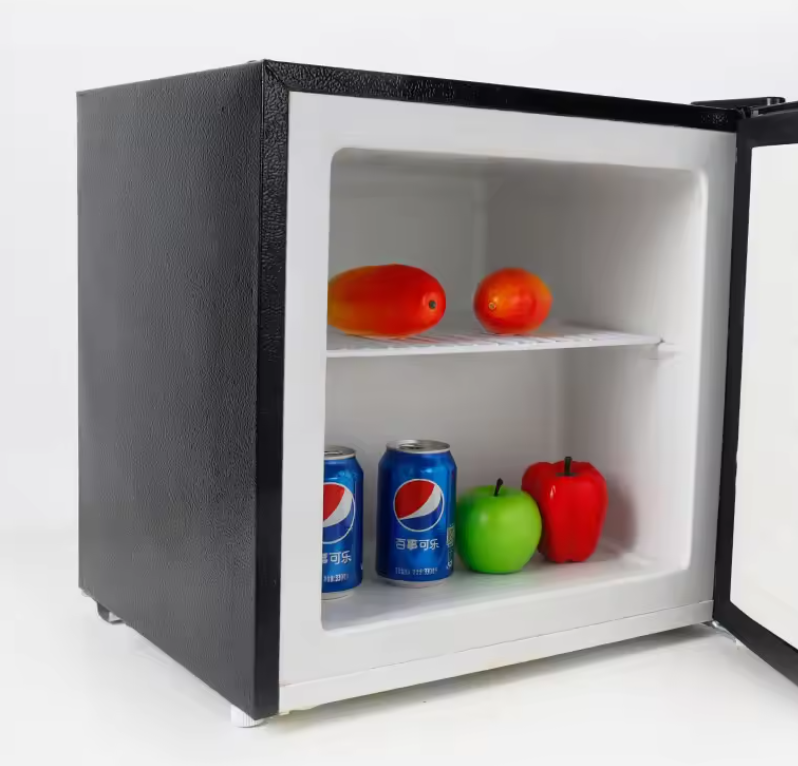
When it comes to cold chain reliability, the manufacturing process behind every freezer unit matters enormously. A premium Freezer Factory does not simply assemble components and ship products — it subjects every unit to a rigorous battery of internal tests designed to validate performance, durability, and energy efficiency before any product reaches a distributor or end customer. This commitment to in-house testing is not a formality; it is the cornerstone of quality assurance in a highly competitive and technically demanding industry.
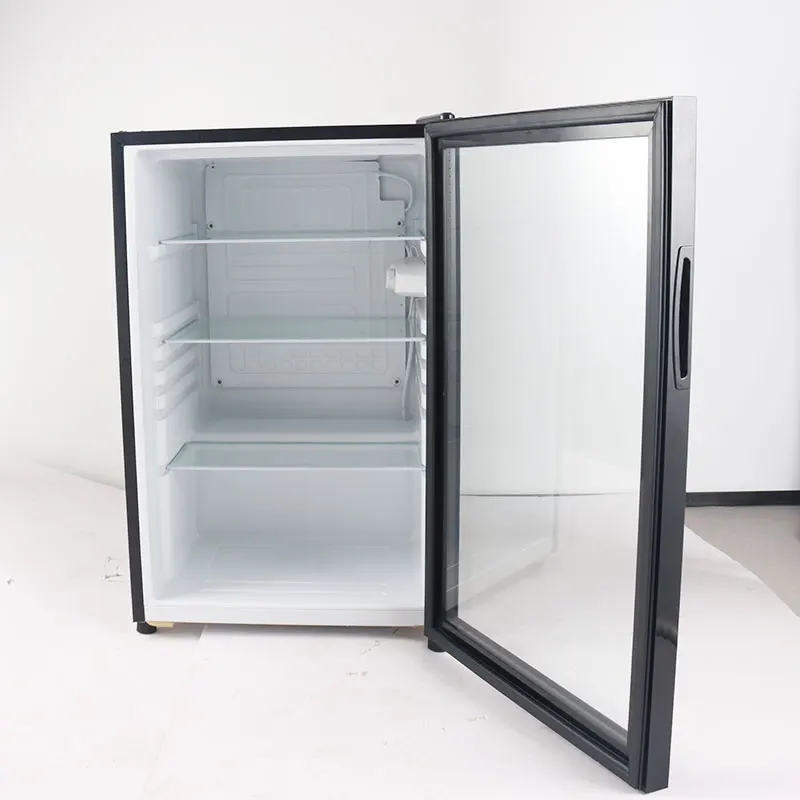
The standards expected of a modern Freezer Factory have grown substantially over the past decade. Buyers across commercial refrigeration, food service, healthcare logistics, and retail sectors now demand independently verifiable data on cooling consistency, energy consumption, compressor reliability, and foam insulation integrity. Factories that invest in dedicated in-house testing laboratories are not just meeting these expectations — they are building a defensible reputation that translates directly into long-term commercial relationships and market share. Understanding why in-house testing matters, and how it works at the facility level, offers essential insight for any procurement professional or business operator sourcing refrigeration equipment.
The Strategic Value of In-House Testing for a Freezer Factory
Quality Control as a Competitive Differentiator
In a global marketplace crowded with refrigeration options, a Freezer Factory that operates its own testing infrastructure signals a fundamentally different level of commitment to quality. Third-party testing after production is completed can catch defects, but it introduces delays, adds cost, and — critically — it identifies problems after resources have already been committed to manufacturing. In-house testing, by contrast, integrates quality control directly into the production workflow, enabling engineers to detect and address deviations in real time.
This integration allows a Freezer Factory to maintain what quality engineers call a closed feedback loop. When a testing station identifies a variance in refrigerant charge levels or a thermal bridge in the cabinet insulation, that information flows immediately back to the production line. Adjustments happen within hours rather than days or weeks. Over time, this responsiveness compounds into measurably higher first-pass yield rates, fewer warranty claims, and stronger brand credibility across B2B buyer categories.
A Freezer Factory with robust in-house testing capability also gains the ability to develop proprietary performance benchmarks that exceed published international standards. Rather than simply meeting the minimum thresholds of certifications like CE, ETL, or CCC, these facilities push their internal acceptance criteria higher — creating products that outperform competitors who merely comply with the baseline. This approach represents a strategic investment in product differentiation that cannot be replicated quickly by lower-tier manufacturers.
Risk Mitigation Across the Supply Chain
Every Freezer Factory operates within a supply chain that involves dozens of external component suppliers — compressors, condensers, thermostats, door gaskets, and electronic control boards, among many others. Each of these components carries its own variability, and incoming component quality is rarely uniform across batches. Without in-house incoming quality control testing, a single underperforming component batch can result in thousands of defective finished units entering the market before the problem is identified.
A premium Freezer Factory addresses this risk through structured incoming inspection protocols that test representative samples from every supplier shipment. Compressor performance is verified against manufacturer specifications using dedicated test rigs. Foam insulation density and thermal conductivity are measured before panels are assembled. Door seal integrity is verified through pressure differential testing. These pre-production checks dramatically reduce the probability that a flawed component will propagate through the manufacturing process.
The financial logic is straightforward: catching a defective component batch before production begins might cost a few hours of delay. Discovering the same defect through customer complaints after delivery triggers warranty replacements, logistics costs, reputation damage, and potentially regulatory scrutiny. For a Freezer Factory operating at scale, the cost difference between these two scenarios is not marginal — it is the difference between sustained profitability and systemic financial exposure.
Core Testing Disciplines at a Premium Freezer Factory
Temperature Performance and Cooling Consistency Testing
The most fundamental obligation of any Freezer Factory is to produce units that reliably achieve and maintain their rated temperature ranges. Premium facilities dedicate entire testing chambers to simulating the range of ambient conditions that their products will encounter in real-world deployments — from climate-controlled supermarket back rooms to warm, humid commercial kitchens or outdoor storage environments in tropical regions.
Temperature uniformity testing maps thermal distribution across the entire interior volume of each cabinet design. Engineers use multiple calibrated sensors positioned at standardized grid points to identify cold spots, warm zones, and the impact of door opening cycles. A Freezer Factory that takes this testing seriously will not release a new model until it can demonstrate that temperature variance across the cabinet interior remains within acceptable tolerances under all defined loading and ambient conditions.
Pulldown time testing — measuring how quickly a unit reaches its target temperature from ambient — is equally critical for commercial buyers who need units to reach operating temperature rapidly after restocking events. A Freezer Factory that tests pulldown performance rigorously can provide buyers with accurate application-specific data, enabling more confident purchasing decisions and appropriate installation planning.
Energy Efficiency Verification and Compliance Testing
Energy consumption is one of the most commercially significant performance attributes for any refrigeration product. For buyers operating large fleets of freezer units across retail chains, food service networks, or cold storage facilities, even small differences in energy efficiency translate into substantial operational cost differences over the product lifecycle. A serious Freezer Factory understands that published energy ratings must be backed by precise, repeatable internal measurement protocols.
In-house energy testing at a Freezer Factory typically follows internationally recognized test standards such as ISO 15502 or AHAM HRF-1, using calibrated power meters and controlled ambient temperature chambers. Units are tested at standardized load conditions, with measurements taken over defined time periods to produce reliable average consumption figures. These figures are then compared against both regulatory thresholds and the factory's own internal performance targets before any model is approved for commercial release.
The discipline of energy testing also supports continuous product improvement. When a Freezer Factory's engineering team analyzes energy consumption data across multiple production runs, patterns emerge that reveal opportunities for optimization — whether in compressor tuning, door seal design, insulation thickness, or refrigerant charge levels. This iterative improvement process, driven by real measurement data, is only possible when the factory owns its testing capability internally.
Structural Integrity and Durability Testing in a Freezer Factory
Mechanical Stress and Lifespan Validation
Refrigeration equipment in commercial and industrial applications is subjected to daily mechanical stress cycles that accumulate over years of operation. Door hinge systems may be opened and closed hundreds of times per day in a busy retail environment. Shelving and drawer mechanisms must support sustained loads without deformation. Cabinet frames must maintain structural integrity despite thermal expansion, contraction, and the mechanical forces introduced during transportation and installation.
A premium Freezer Factory addresses these requirements through accelerated lifecycle testing programs. Door durability rigs cycle test units through tens of thousands of open-close sequences in compressed timeframes, simulating years of real-world use within days. Load-bearing components are tested under static and dynamic conditions that exceed their rated specifications, establishing safety margins that protect both end users and the factory's warranty exposure.
Cabinet transportation simulation is another critical element of structural testing at a responsible Freezer Factory. Units are subjected to controlled vibration and shock testing protocols designed to replicate the conditions experienced during sea freight, road transport, and handling at distribution centers. Products that pass these tests arrive at their destinations in calibrated working condition, reducing unboxing defect rates and protecting distributor relationships.
Compressor and Refrigeration System Endurance Testing
The compressor is the highest-cost and most failure-prone component in any freezer system. A Freezer Factory that conducts thorough in-house compressor and refrigeration circuit testing is protecting its most critical reliability variable. Endurance testing involves running assembled units under continuous or accelerated cycling conditions for extended periods, monitoring compressor operating temperatures, refrigerant pressures, and electrical parameters throughout.
Refrigerant leak testing is a mandatory step at any responsible Freezer Factory. Modern leak detection equipment can identify refrigerant escape rates far below threshold levels that would affect product performance, catching potential issues in sealed system assemblies before they leave the factory floor. This is particularly important given the environmental and regulatory implications of refrigerant emissions, as well as the performance degradation that even minor leaks can cause over time.
Defrost system performance is another area where in-house testing at a Freezer Factory adds significant value. Frost accumulation patterns, defrost cycle timing, and drainage behavior all affect long-term product performance and hygiene compliance in food service applications. By testing defrost behavior under controlled conditions, a factory can ensure that its products maintain consistent performance throughout their operational lifespan rather than degrading progressively as frost management systems fail to operate as designed.
How In-House Testing Shapes Product Development at a Freezer Factory
Accelerating the Design Validation Cycle
New product development at a Freezer Factory is inseparable from testing capability. When engineering teams can run performance evaluations internally — without waiting for external laboratory scheduling — the iteration cycle for new designs compresses dramatically. A concept that might take months to validate through third-party channels can be evaluated, refined, and revalidated within weeks when the factory owns its testing infrastructure.
This speed advantage matters enormously in markets where product specifications evolve rapidly in response to changing energy regulations, new refrigerant standards, or shifting customer requirements. A Freezer Factory that can develop and validate new models quickly is better positioned to serve customers who need updated specifications, and better protected against the risk of being caught with an obsolete product portfolio when regulatory changes take effect.
In-house testing also creates an institutional knowledge base that accumulates over time. Every test result, every detected failure mode, and every performance optimization that a Freezer Factory documents becomes part of an engineering archive that informs future development decisions. This compound knowledge advantage is difficult for competitors to replicate quickly and represents a genuine long-term barrier to competitive entry at the premium product tier.
Supporting Certification and Regulatory Compliance
Obtaining and maintaining international product certifications requires that a Freezer Factory be able to demonstrate consistent, documented performance across production batches. Certification bodies do not simply award marks based on prototype performance — they expect factories to maintain ongoing production quality that matches certified specifications. In-house testing provides the systematic documentation capability that makes this ongoing compliance manageable.
When a Freezer Factory conducts routine production verification testing on finished goods and maintains organized records of those results, it is continuously building the evidentiary foundation that certification auditors require. This systematic approach reduces the risk and cost of periodic surveillance audits, makes recertification processes faster and less disruptive, and creates transparency that sophisticated B2B buyers increasingly expect from their supply chain partners.
For a Freezer Factory targeting international markets, the ability to pre-verify compliance with destination-country standards before shipment also reduces the risk of costly customs holdups or mandatory recalls due to non-compliant products reaching end markets. In-house testing, when calibrated against the relevant regulatory frameworks, functions as the factory's first line of regulatory defense.
FAQ
Why does in-house testing matter more than third-party testing for a Freezer Factory?
In-house testing enables a Freezer Factory to detect and address quality issues within the production process itself, rather than after manufacturing is completed. This real-time feedback loop reduces waste, lowers warranty risk, and supports continuous performance improvement in ways that external, post-production testing cannot match efficiently or economically.
What types of tests are most critical during freezer production?
The most critical test categories for any Freezer Factory include temperature performance and uniformity testing, energy consumption measurement, refrigerant leak detection, compressor endurance evaluation, structural and mechanical durability testing, and defrost system performance verification. Together, these disciplines cover the full spectrum of failure modes that affect product reliability and customer satisfaction.
How does in-house testing affect the cost of freezer products from a premium factory?
While building and maintaining in-house testing infrastructure represents a significant capital investment for a Freezer Factory, it typically reduces total cost over time by lowering warranty claim rates, minimizing production rework, accelerating new product development, and reducing exposure to regulatory non-compliance penalties. For B2B buyers, purchasing from a factory with strong in-house testing capability generally means lower total cost of ownership rather than simply a higher purchase price.
Can a Freezer Factory's in-house testing results be trusted by buyers?
A premium Freezer Factory typically supports its in-house testing claims with a combination of certified laboratory equipment, calibrated to traceable national or international standards, and supplementary third-party certification from recognized bodies. Buyers can request test reports, calibration certificates, and factory audit documentation to independently verify the credibility of a factory's internal quality claims before making sourcing commitments.
Table of Contents
- The Strategic Value of In-House Testing for a Freezer Factory
- Core Testing Disciplines at a Premium Freezer Factory
- Structural Integrity and Durability Testing in a Freezer Factory
- How In-House Testing Shapes Product Development at a Freezer Factory
-
FAQ
- Why does in-house testing matter more than third-party testing for a Freezer Factory?
- What types of tests are most critical during freezer production?
- How does in-house testing affect the cost of freezer products from a premium factory?
- Can a Freezer Factory's in-house testing results be trusted by buyers?