EN
EN

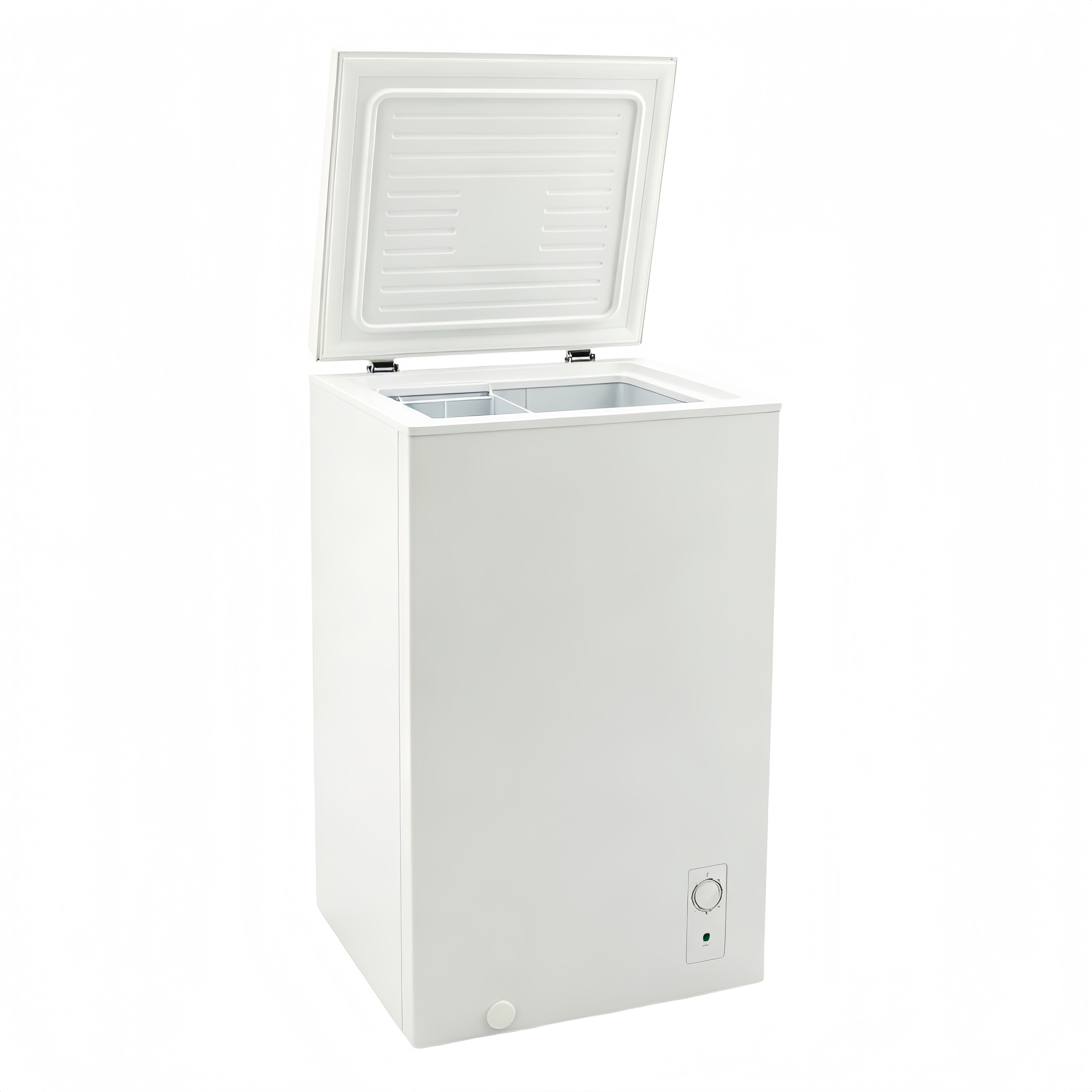
In today's highly competitive cold storage and refrigeration market, businesses that want to stand out are increasingly turning to private label strategies backed by a reliable Freezer OEM partnership. Whether you are a regional distributor, a supermarket chain operator, or a commercial appliance reseller, having your own branded freezer product can dramatically elevate your market presence and customer loyalty. A Freezer OEM arrangement allows companies to leverage professionally engineered cold storage solutions without bearing the full burden of product development from scratch.
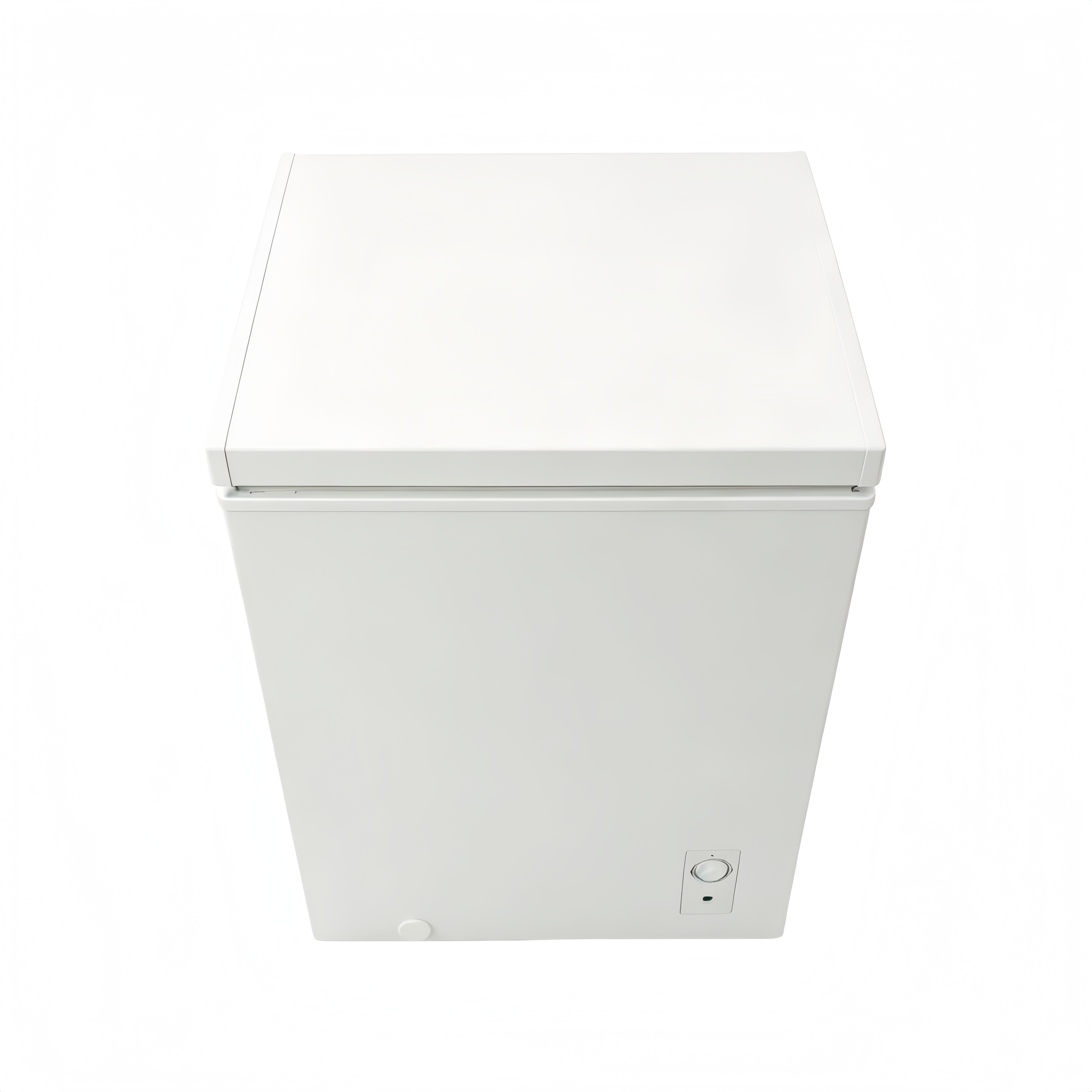
The concept of Freezer OEM goes far beyond simply printing your logo on a manufacturer's existing product. It represents a strategic business decision that integrates your brand identity, market positioning, product specifications, and customer expectations into a cohesive product line. When executed well, a private label Freezer OEM strategy gives businesses control over branding while accessing world-class manufacturing capabilities. Understanding how to maximize this opportunity requires a clear grasp of what Freezer OEM involves, how it strengthens brand impact, and what decisions drive long-term success.
Understanding the Fundamentals of Freezer OEM for Private Label Success
What Freezer OEM Actually Means in Commercial Context
Freezer OEM, which stands for Original Equipment Manufacturer applied to freezer products, refers to a manufacturing arrangement where a brand-owning company commissions a specialized factory to produce freezer units according to agreed specifications. The finished products are then sold under the commissioning company's brand name rather than the manufacturer's. This model has become central to private label strategies across the global appliance and cold storage industry.
From a practical standpoint, Freezer OEM allows businesses to control how their branded product looks, performs, and positions within their target market. Companies can specify the cooling capacity, energy efficiency ratings, internal configurations, door styles, compressor types, and even color or finish. This level of customization is what separates a powerful Freezer OEM strategy from simply reselling generic units.
For businesses that aim to build long-term brand equity, commissioning through a qualified Freezer OEM manufacturer means every product bearing your label reflects your quality standards. This creates a consistent brand experience for end-users and builds the trust necessary to sustain repeat purchases and referrals in competitive markets.
The Difference Between OEM and ODM in Freezer Manufacturing
While Freezer OEM involves producing units to a client's specifications, Original Design Manufacturer (ODM) involves the manufacturer providing both the design and production, which the client then brands. Understanding this distinction matters enormously when planning your private label approach. In a Freezer OEM arrangement, your company holds design authority and intellectual control over the product specifications.
For businesses that have precise requirements based on their market research, regulatory compliance needs, or specific customer segments, a pure Freezer OEM model gives greater flexibility. You drive the engineering brief, and the manufacturer delivers execution. This is particularly valuable in commercial and industrial cold storage contexts where subtle specification differences can significantly affect performance outcomes and user satisfaction.
Many private label companies start with an ODM approach to test the market, then transition to a full Freezer OEM relationship once they understand their customers' expectations deeply enough to define their own product requirements. Either path can support brand impact, but the Freezer OEM route typically delivers stronger differentiation over time.
How Freezer OEM Partnerships Drive Brand Differentiation
Customization as a Core Brand Asset
One of the most powerful ways Freezer OEM accelerates brand impact is through product customization that translates directly into brand recognition. When your branded freezer has distinctive design elements, such as a unique door handle design, a specific temperature control interface, or branded internal lighting, customers begin to associate these features with your company rather than with a generic appliance category.
Working with an experienced Freezer OEM partner enables you to introduce these visual and functional brand markers without requiring your own production facility. The manufacturer handles all tooling, material sourcing, and assembly processes. Your job is to define what your brand stands for in physical product terms and to ensure those standards are enforced through production agreements and quality inspections.
Customization through Freezer OEM also extends to packaging design, documentation, user manuals, and even after-sales support materials. Every touchpoint where your customer interacts with the product becomes an opportunity to reinforce brand values. Businesses that invest in this level of branding consistency through their Freezer OEM relationship see measurably stronger customer retention.
Positioning Your Brand Through Product Quality Standards
Brand differentiation is not only about aesthetics. In the freezer market, quality performance is a primary driver of brand perception. A Freezer OEM partnership that delivers consistent temperature accuracy, reliable compressor performance, and energy-efficient operation will strengthen your brand far more effectively than visual design alone.
When negotiating your Freezer OEM agreement, it is critical to define quality benchmarks clearly. This includes tolerances for temperature variance, energy consumption ratings, noise levels, and durability standards for seals and hinges. A manufacturer capable of meeting and documenting these standards through third-party testing provides your brand with verifiable quality claims that resonate with commercial buyers.
Commercial buyers in sectors such as food service, pharmaceutical cold storage, and retail grocery are particularly attentive to verifiable product performance. A well-executed Freezer OEM strategy that delivers products meeting international quality standards such as CE, RoHS, or energy certification programs gives your brand a credibility advantage that strengthens every sales conversation.
Strategic Steps to Maximize Brand Impact Through Freezer OEM
Defining Your Target Market Before Engaging a Manufacturer
To truly maximize brand impact through a Freezer OEM relationship, the process must begin with a thorough understanding of your target market. Who are your end customers? What cold storage problems do they need to solve? What price point positions your brand competitively without undermining quality perception? These questions must be answered before a single specification document is drafted.
Market clarity drives smarter Freezer OEM decisions at every stage. For example, if your primary customers are small commercial kitchens, they may prioritize compact upright freezer designs with easy-access shelving and quiet operation. If you serve large-scale food distribution businesses, capacity, energy efficiency, and robust door sealing may take precedence. Your Freezer OEM partner must understand these distinctions to deliver a product that genuinely serves your brand promise.
A well-researched market brief also makes the Freezer OEM partnership more productive from the beginning. Manufacturers appreciate clients who arrive with specific requirements rather than vague concepts. This clarity accelerates the product development phase, reduces costly revisions, and gets your branded product to market faster.
Building Long-Term Relationships with Your Freezer OEM Partner
The most successful private label brands treat their Freezer OEM manufacturer as a strategic partner rather than a commodity supplier. This means investing time in communication, factory visits, quality audits, and collaborative problem-solving. Strong partnerships built on mutual understanding tend to yield better product outcomes, priority production scheduling, and more flexible responses to market-driven specification changes.
Establishing clear contractual frameworks is equally important. Your Freezer OEM agreement should define intellectual property ownership, tooling rights, minimum order quantities, lead times, quality audit rights, and escalation procedures for defect resolution. These protections ensure that your brand investment is secure and that both parties have aligned incentives throughout the relationship.
Brands that grow their private label presence substantially often do so by deepening their Freezer OEM partnerships over time, expanding product range, co-developing new features, and building shared data on product performance in the field. This collaborative model creates a competitive moat that is difficult for newcomers to replicate quickly.
Scaling Your Private Label Freezer Brand with Confidence
Managing Supply Chain Consistency for Brand Reliability
Brand impact depends heavily on supply chain reliability. If your private label freezer products face inconsistent lead times, variable component quality, or unpredictable availability, the damage to your brand reputation can far exceed any short-term cost savings. A dependable Freezer OEM manufacturing partner with robust supply chain management capabilities is therefore a non-negotiable asset for scaling brands.
When evaluating Freezer OEM partners for scalability, assess their component sourcing strategies, inventory management systems, and backup supplier arrangements. A factory that relies on a single supplier for critical components such as compressors or temperature controllers introduces unnecessary risk. Diversified sourcing and transparent communication about material lead times are signs of a mature manufacturing operation capable of supporting your brand's growth ambitions.
Consistency in production quality is equally central to supply chain reliability. Implementing incoming quality control inspections, in-line production audits, and outgoing quality checks at your Freezer OEM facility ensures that every unit shipped under your brand meets the standards your customers expect. This consistency is what transforms a private label product into a trusted brand.
Expanding Product Lines to Grow Brand Presence
Once your initial Freezer OEM product line has established brand recognition, the natural path to sustained growth is thoughtful product line expansion. A manufacturer with broad Freezer OEM capabilities can help you introduce complementary models, such as chest freezers, display freezers, or multi-door commercial freezer units, all carrying your consistent brand identity and quality standards.
Product line expansion through Freezer OEM allows your brand to address multiple customer segments without the capital investment of operating multiple production facilities. Each new model should be developed with the same market-driven discipline as your first product, ensuring that expansion strengthens rather than dilutes your brand positioning.
Communicating your expanded product portfolio effectively through sales channels, digital content, and distributor training ensures that your Freezer OEM investment translates into measurable market penetration. Brand impact is ultimately realized at the point of customer choice, and a well-curated product range backed by reliable Freezer OEM manufacturing makes that choice consistently favorable.
FAQ
What are the minimum order quantities typically required for Freezer OEM production?
Minimum order quantities for Freezer OEM projects vary depending on the manufacturer's production scale, the degree of customization required, and the specific product type. Generally, more customized products with proprietary tooling require higher minimum quantities to justify setup costs. It is advisable to discuss your projected sales volumes with your Freezer OEM partner early in the negotiation process to align production economics with your market entry plan.
How long does the product development phase take for a private label Freezer OEM project?
The development timeline for a Freezer OEM project depends on the complexity of customization, the need for new tooling, and the number of revision cycles required during sample approval. Straightforward private label projects with minimal structural changes may complete development in eight to twelve weeks. Highly customized Freezer OEM projects with new molds, proprietary components, or unique certifications may require six months or more from initial brief to production approval.
Can Freezer OEM products be certified for international market compliance?
Yes, Freezer OEM products can be designed and tested to meet international compliance standards such as CE marking for the European market, ETL or UL certification for North America, or other regional energy and safety standards. It is important to specify target market compliance requirements at the start of your Freezer OEM project so that the manufacturer can incorporate the necessary design features and arrange third-party certification testing accordingly.
How do I protect my brand's intellectual property in a Freezer OEM arrangement?
Intellectual property protection in a Freezer OEM relationship relies primarily on well-drafted contractual agreements that clearly define ownership of tooling, design files, branding elements, and proprietary specifications. Non-disclosure agreements, exclusive tooling clauses, and registered trademarks in your target markets are essential protective measures. Working with legal counsel experienced in manufacturing contracts ensures that your brand assets remain under your control throughout and beyond the manufacturing relationship.
Table of Contents
- Understanding the Fundamentals of Freezer OEM for Private Label Success
- How Freezer OEM Partnerships Drive Brand Differentiation
- Strategic Steps to Maximize Brand Impact Through Freezer OEM
- Scaling Your Private Label Freezer Brand with Confidence
-
FAQ
- What are the minimum order quantities typically required for Freezer OEM production?
- How long does the product development phase take for a private label Freezer OEM project?
- Can Freezer OEM products be certified for international market compliance?
- How do I protect my brand's intellectual property in a Freezer OEM arrangement?