EN
EN

Choosing the right refrigerator for your home involves careful consideration of multiple factors that will impact your daily life and food storage needs. A well-selected refrigerator serves as the cornerstone of your kitchen, preserving food freshness while complementing your lifestyle and space requirements. Modern refrigerator technology offers numerous options, from compact mini units to expansive French door models, each designed to meet specific household demands. Understanding the various size categories, style preferences, and essential features will help you make an informed decision that provides years of reliable service and optimal food preservation.
Understanding Refrigerator Size Requirements
Measuring Your Available Space
Before selecting any refrigerator model, accurate measurements of your designated installation area are crucial for ensuring proper fit and functionality. Consider not only the width, height, and depth of the space but also account for door swing clearance, ventilation requirements, and accessibility for maintenance. Most refrigerator manufacturers recommend leaving at least one inch of clearance on all sides for proper air circulation, which prevents overheating and ensures optimal energy efficiency. Additionally, measure doorways, hallways, and stairwells through which the refrigerator must pass during delivery and installation.
Standard refrigerator widths typically range from 24 inches for compact models to 36 inches for full-size units, with some commercial-style models extending beyond 42 inches. Height measurements generally fall between 60 and 72 inches, while depth can vary significantly depending on the door configuration and interior capacity. Counter-depth models are designed to align flush with standard kitchen cabinetry, typically measuring 24 to 25 inches deep, while standard-depth units may extend 28 to 34 inches from the wall.
Calculating Capacity Needs
Determining the appropriate refrigerator capacity depends on household size, cooking habits, and food storage preferences. Industry guidelines suggest approximately 4 to 6 cubic feet of refrigerator space per person, though this calculation should be adjusted based on individual circumstances. Families who frequently entertain guests, buy groceries in bulk, or prepare meals at home may require larger capacity units to accommodate their storage needs effectively.
Consider the distribution between fresh food and freezer compartments when evaluating total capacity. Most households benefit from a 70-30 split, with the larger portion dedicated to fresh food storage. However, families who rely heavily on frozen foods or meal preparation may prefer models with larger freezer sections. Compact refrigerator units, typically ranging from 1.5 to 4 cubic feet, serve well in dorm rooms, offices, or as secondary storage in basements or entertainment areas.
Exploring Different Refrigerator Styles
Top-Freezer Configuration
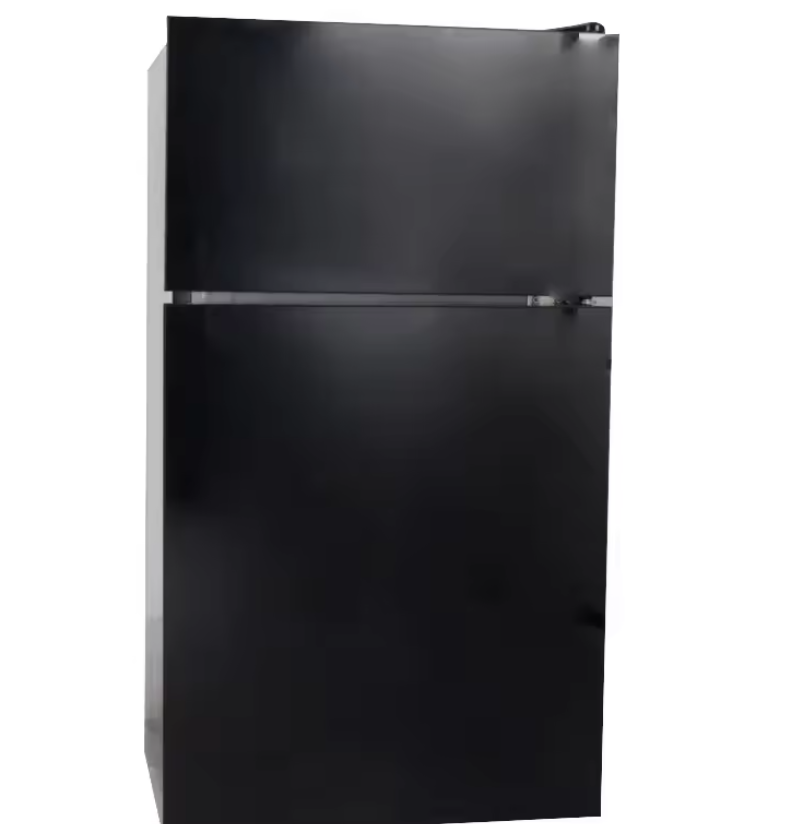
Top-freezer refrigerators represent the most traditional and budget-friendly option, featuring the freezer compartment positioned above the fresh food section. This configuration maximizes energy efficiency due to the natural rising of cold air and typically offers the most storage capacity for the price point. The design places frequently accessed fresh foods at eye level and within easy reach, making daily meal preparation more convenient for most users.
These models generally range from 14 to 25 cubic feet in total capacity and work well in smaller kitchens or budget-conscious households. The simple mechanical design often translates to lower maintenance costs and increased reliability over time. However, the freezer location may require bending or stretching for some users, and the narrower compartments can make organizing larger items more challenging compared to side-by-side configurations.
Side-by-Side Design
Side-by-side refrigerators feature vertical compartments with the freezer and fresh food sections positioned alongside each other, providing easy access to both areas without excessive bending or reaching. This style typically includes through-the-door ice and water dispensers, adding convenience for busy households. The narrow door swing requirements make these models suitable for kitchens with limited clearance space in front of the appliance.
The vertical configuration allows for organized storage with multiple shelves and bins in both compartments, though the narrow width of each section may limit storage of wider items like pizza boxes or large platters. Capacity typically ranges from 20 to 28 cubic feet, with approximately equal space allocation between freezer and fresh food areas. Energy efficiency may be slightly lower than top-freezer models due to the larger door seals and potential for more frequent opening.
Essential Features and Technology
Temperature Control Systems
Modern refrigerator temperature control systems have evolved beyond simple mechanical thermostats to include digital displays, multiple climate zones, and smart sensors that maintain optimal conditions for different food types. Dual evaporator systems prevent odor transfer between compartments while maintaining appropriate humidity levels in both the fresh food and freezer sections. This technology ensures that vegetables retain their crispness while preventing freezer burn on frozen items.
Advanced models feature precise temperature management with separate controls for different compartments, allowing users to customize storage conditions based on specific food requirements. Some high-end units include specialty zones with adjustable temperature and humidity settings for items like deli meats, produce, or wine storage. Look for models with temperature alarms that alert users to potential malfunctions or power outages that could compromise food safety.
Energy Efficiency Features
Energy-efficient refrigerator models can significantly reduce household electricity consumption while maintaining optimal food preservation performance. ENERGY STAR certified units meet strict efficiency guidelines established by the Environmental Protection Agency, typically using 9 to 10 percent less energy than standard models. LED lighting systems consume less power than traditional incandescent bulbs while providing better illumination and generating less heat inside the compartments.
Inverter compressor technology adjusts cooling output based on demand, reducing energy consumption during periods of low usage while maintaining consistent temperatures. High-quality insulation and magnetic door seals prevent cold air loss, reducing the workload on the cooling system. Smart features like vacation mode and adaptive defrost cycles further optimize energy usage by adjusting operation based on usage patterns and environmental conditions.
Storage and Organization Solutions
Shelf and Drawer Configuration
Effective refrigerator organization relies on well-designed shelving systems and adjustable storage components that accommodate various food item sizes and shapes. Spill-proof shelves with raised edges prevent liquids from spreading throughout the refrigerator, while slide-out drawers provide easy access to items stored in the back. Tempered glass shelves offer durability and easy cleaning, supporting heavy items without flexing or breaking under normal use.
Adjustable shelves allow customization of storage space to accommodate tall items like wine bottles or large platters for special occasions. Crisper drawers with humidity controls create optimal environments for different types of produce, extending freshness and reducing food waste. Some models include dedicated compartments for specific items like eggs, butter, or beverages, maximizing storage efficiency and organization.
Door Storage Options
Door storage compartments provide convenient access to frequently used items while maximizing interior space for larger food items. Adjustable door bins accommodate various container sizes, from condiment bottles to gallon jugs, while maintaining stability during door operation. Deep door pockets can hold multiple items securely without blocking access to interior shelving or drawers.
Through-the-door ice and water dispensers offer convenience but reduce interior storage capacity and may require more frequent filter replacements and maintenance. Consider the trade-offs between convenience features and storage space when evaluating different models. Some refrigerators include specialized door compartments for items like wine bottles or snack foods, providing dedicated storage that keeps these items easily accessible without disturbing the main compartment organization.
Installation and Maintenance Considerations
Professional Installation Requirements
Proper refrigerator installation ensures optimal performance, energy efficiency, and longevity of your appliance investment. Professional installation services typically include delivery, positioning, leveling, and connection of water lines for ice makers and water dispensers. Certified technicians understand local building codes and manufacturer specifications, ensuring compliance with safety requirements and warranty conditions.
Electrical requirements vary by model, with most standard units operating on 115-volt household circuits, while some larger or commercial-style models may require 220-volt connections. Water line installation for ice and water features requires access to a nearby water source and may involve drilling through cabinets or walls. Professional installers carry appropriate tools and materials to complete these connections safely and efficiently, preventing potential water damage or electrical hazards.
Ongoing Maintenance Practices
Regular maintenance extends refrigerator lifespan and maintains optimal performance throughout the appliance's service life. Monthly cleaning of interior surfaces, shelves, and drawers prevents odor buildup and maintains sanitary food storage conditions. Vacuum or brush the condenser coils every six months to remove dust accumulation that can reduce cooling efficiency and increase energy consumption.
Replace water filters according to manufacturer recommendations, typically every six months, to ensure clean-tasting water and ice while protecting internal components from mineral buildup. Check door seals regularly for damage or wear that could allow cold air to escape, reducing efficiency and increasing operating costs. Monitor temperature settings and adjust seasonally if necessary to account for changes in ambient kitchen temperature and usage patterns.
FAQ
How do I determine the right refrigerator size for my family
Calculate approximately 4-6 cubic feet of total capacity per household member, then adjust based on your cooking habits, entertaining frequency, and food storage preferences. Consider measuring your available space carefully, including door clearance and ventilation requirements. Families who cook frequently or buy groceries in bulk typically benefit from larger capacity models, while smaller households or those who dine out regularly may find compact units sufficient for their needs.
What is the most energy-efficient refrigerator style
Top-freezer refrigerators generally offer the best energy efficiency due to their simple design and natural cold air circulation patterns. However, ENERGY STAR certified models in any configuration can provide excellent efficiency. Look for features like LED lighting, inverter compressors, and high-quality insulation regardless of style. The most efficient choice depends on balancing your feature requirements with energy consumption goals and available space constraints.
How often should I replace my refrigerator
Most refrigerators last 10-15 years with proper maintenance, though replacement timing depends on repair frequency, energy efficiency, and changing household needs. Consider replacement when repair costs exceed 50% of the unit's current value or when energy bills increase significantly due to declining efficiency. Upgrading to a modern, energy-efficient model can provide long-term savings through reduced electricity consumption and improved food preservation capabilities.
Are smart refrigerator features worth the additional cost
Smart refrigerator features like Wi-Fi connectivity, internal cameras, and smartphone integration can enhance convenience for tech-savvy households but may not justify the premium for all users. Consider your lifestyle and technology preferences when evaluating these options. Basic features like precise temperature controls and energy efficiency often provide better value than advanced connectivity options that may become outdated as technology evolves.