EN
EN

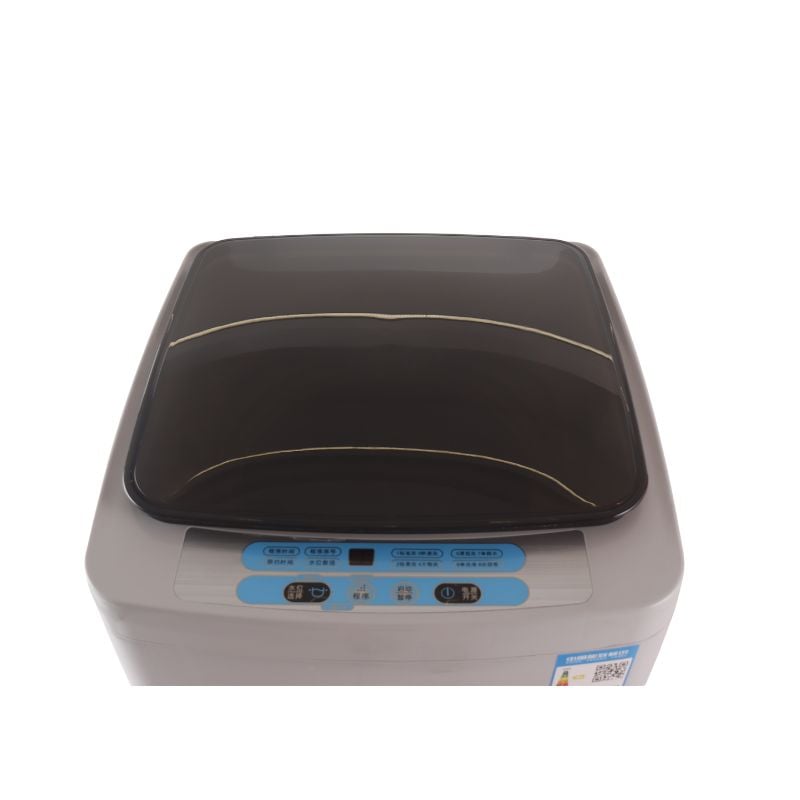
Rising energy costs have made selecting an energy-efficient washing machine more crucial than ever for both households and commercial establishments. The right appliance choice can significantly reduce monthly utility bills while delivering exceptional cleaning performance. Understanding the key factors that determine energy efficiency will help you make an informed decision that benefits both your budget and the environment. Modern energy-efficient washing machines incorporate advanced technologies that minimize water consumption and reduce electricity usage without compromising wash quality.
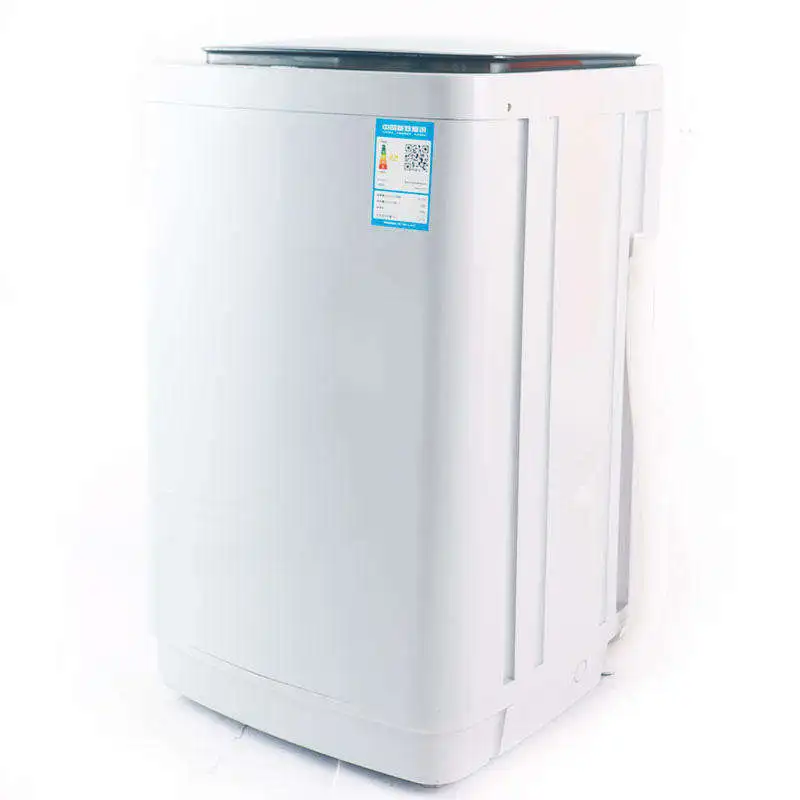
Understanding Energy Efficiency Ratings and Standards
ENERGY STAR Certification and Rating Systems
The ENERGY STAR certification program provides reliable guidelines for identifying top-performing energy-efficient washing machine models. Appliances bearing this certification use approximately 25% less energy and 33% less water compared to standard models. The Modified Energy Factor (MEF) measures how many cubic feet of laundry can be washed and dried with one kilowatt-hour of electricity. Higher MEF values indicate superior efficiency, with ENERGY STAR qualified machines typically achieving MEF ratings of 2.0 or higher.
Water Factor (WF) represents another critical measurement that determines how many gallons of water are used per cubic foot of wash capacity. Lower WF values signify better water conservation, with efficient models maintaining WF ratings below 6.0. These standardized metrics enable consumers to compare different models objectively and select machines that deliver optimal performance while minimizing resource consumption.
International Energy Efficiency Standards
Global markets utilize various energy efficiency labeling systems that help consumers identify the most efficient appliances. European Union energy labels use a scale from A+++ to D, with A+++ representing the highest efficiency tier. Australian and New Zealand markets employ star rating systems where more stars indicate better energy performance. Understanding these regional standards becomes essential when selecting imported models or planning commercial installations across different markets.
Many manufacturers now design their energy-efficient washing machine products to meet multiple international standards simultaneously. This approach ensures broader market compatibility while maintaining consistent performance characteristics. Commercial buyers particularly benefit from this standardization when sourcing equipment for international hotel chains or multi-regional operations.
Key Features That Maximize Energy Savings
Advanced Motor Technologies
Inverter motors represent a significant advancement in washing machine technology, offering variable speed control that adjusts automatically based on load requirements. These motors consume substantially less electricity compared to traditional fixed-speed alternatives while operating more quietly. The precise speed modulation allows an energy-efficient washing machine to optimize wash cycles for different fabric types and soil levels, reducing both energy consumption and wear on clothing.
Direct drive motors eliminate the need for belts and pulleys, reducing mechanical friction and energy loss during operation. This design improvement translates to approximately 10-15% better energy efficiency while enhancing reliability and reducing maintenance requirements. The reduced vibration also contributes to quieter operation, making these machines ideal for residential installations where noise considerations matter.
Smart Load Sensing and Water Management
Automatic load sensing technology enables modern washing machines to detect the precise amount of laundry and adjust water levels accordingly. This intelligent feature prevents waste by ensuring optimal water usage for each load size. Advanced sensors can differentiate between fabric types and soil levels, automatically selecting appropriate wash parameters that minimize resource consumption while maintaining cleaning effectiveness.
Recirculation systems in premium energy-efficient washing machine models capture and reuse rinse water for subsequent wash cycles. This innovation can reduce total water consumption by up to 40% in commercial applications where multiple loads are processed daily. The technology proves particularly valuable in water-scarce regions or facilities seeking to minimize environmental impact while controlling operational costs.
Choosing the Right Capacity and Configuration
Optimal Capacity Selection for Different Applications
Selecting appropriate capacity ensures maximum efficiency by preventing both overloading and underutilization of your energy-efficient washing machine. Residential users typically benefit from 7-9 kg capacity machines that accommodate family-sized loads while maintaining efficient operation. Commercial establishments require careful capacity planning based on daily laundry volumes and peak demand periods to optimize energy consumption patterns.
Oversized machines used for small loads waste significant energy and water, while undersized units require multiple cycles to handle normal laundry volumes. Professional laundry services often employ multiple moderate-capacity machines rather than single large units to provide operational flexibility and maintain consistent efficiency levels throughout varying demand cycles.
Front-Loading Versus Top-Loading Efficiency
Front-loading washers generally offer superior energy efficiency compared to top-loading alternatives due to their tumbling action that requires less water. The horizontal drum design allows gravity to assist the washing process, reducing the mechanical energy needed for effective cleaning. Most energy-efficient washing machine models utilize front-loading configurations to maximize performance while minimizing resource consumption.
High-efficiency top-loading models incorporate impeller systems instead of traditional agitators, improving efficiency while maintaining the convenience of top-loading operation. These machines use specialized wash baskets and water circulation patterns to achieve cleaning results comparable to front-loaders while consuming less energy than conventional top-loading designs.
Cost-Benefit Analysis and Long-Term Savings
Initial Investment Versus Operating Costs
While energy-efficient washing machine models typically require higher upfront investment, the long-term savings through reduced utility bills often justify the additional cost within 2-3 years. Commercial applications typically achieve faster payback periods due to higher usage volumes and greater cumulative savings. Calculating total cost of ownership should include purchase price, installation costs, maintenance requirements, and projected utility savings over the appliance's expected lifespan.
Energy-efficient models often qualify for utility rebates and tax incentives that can offset initial purchase costs. Many power companies offer cash rebates ranging from $50 to $200 for qualifying ENERGY STAR appliances, while commercial installations may be eligible for additional business incentives. These programs significantly improve the financial attractiveness of investing in high-efficiency equipment.
Environmental Impact and Sustainability Benefits
Choosing an energy-efficient washing machine contributes to broader environmental conservation efforts by reducing greenhouse gas emissions associated with electricity generation. The average household can prevent approximately 1,200 pounds of carbon dioxide emissions annually by upgrading to an ENERGY STAR qualified washer. Commercial facilities achieve proportionally greater environmental benefits due to their higher usage volumes and extended operating hours.
Water conservation represents another significant environmental advantage, particularly in regions facing drought conditions or water scarcity. Efficient machines can save thousands of gallons annually per household, with commercial applications achieving even greater conservation volumes. This reduced demand helps preserve natural water resources while lowering municipal treatment and distribution costs.
Installation and Maintenance Considerations
Proper Installation for Optimal Efficiency
Correct installation ensures that your energy-efficient washing machine operates at peak performance throughout its service life. Proper leveling prevents excessive vibration that can increase energy consumption and accelerate component wear. Adequate ventilation around the appliance prevents overheating that forces internal components to work harder, consuming additional electricity.
Water supply connections should provide appropriate pressure and temperature to enable efficient operation of wash cycles. Installing whole-house water filtration systems can prevent mineral buildup that reduces heating element efficiency and extends the lifespan of internal components. Professional installation ensures compliance with manufacturer specifications and local codes while maximizing energy performance.
Preventive Maintenance for Sustained Performance
Regular maintenance keeps energy-efficient washing machine systems operating at designed efficiency levels throughout their service life. Monthly cleaning of door seals and detergent dispensers prevents buildup that can interfere with proper operation. Descaling procedures remove mineral deposits from internal components, maintaining optimal heat transfer and reducing energy consumption during heated wash cycles.
Filter cleaning and inspection should occur quarterly to ensure proper water circulation and drainage. Blocked filters force pumps to work harder, increasing electricity consumption while potentially causing component damage. Professional annual inspections can identify developing issues before they impact efficiency or require costly repairs.
FAQ
How much can I save annually with an energy-efficient washing machine
Annual savings depend on usage patterns, local utility rates, and the efficiency difference between your old and new machine. Most households save between $40-80 per year on combined electricity and water bills when upgrading from a standard machine to an ENERGY STAR qualified energy-efficient washing machine. Commercial facilities with high usage volumes can achieve savings of several hundred dollars annually per machine.
What capacity should I choose for optimal energy efficiency
Select capacity based on your typical load sizes rather than maximum possible needs. For households of 3-4 people, a 7-8 kg capacity energy-efficient washing machine provides optimal efficiency. Larger families may benefit from 9-10 kg models, while smaller households should consider 6-7 kg machines. Commercial applications require professional load analysis to determine appropriate capacity based on daily volume requirements and operational patterns.
Do energy-efficient models clean as effectively as standard machines
Modern energy-efficient washing machine designs deliver cleaning performance equal to or better than standard models while using significantly less water and energy. Advanced wash action systems, optimized detergent distribution, and precise temperature control ensure thorough soil removal. Many efficient models offer specialized cycles for different fabric types and soil levels, providing superior cleaning flexibility compared to conventional machines.
How long do energy-efficient washing machines typically last
Quality energy-efficient washing machine models generally provide 10-12 years of reliable service with proper maintenance. The advanced technologies and improved build quality often result in longer lifespans compared to basic models. Regular maintenance, appropriate usage patterns, and quality installation significantly influence longevity. Commercial-grade machines designed for high-volume applications may achieve 15-20 year service lives under professional maintenance programs.