EN
EN

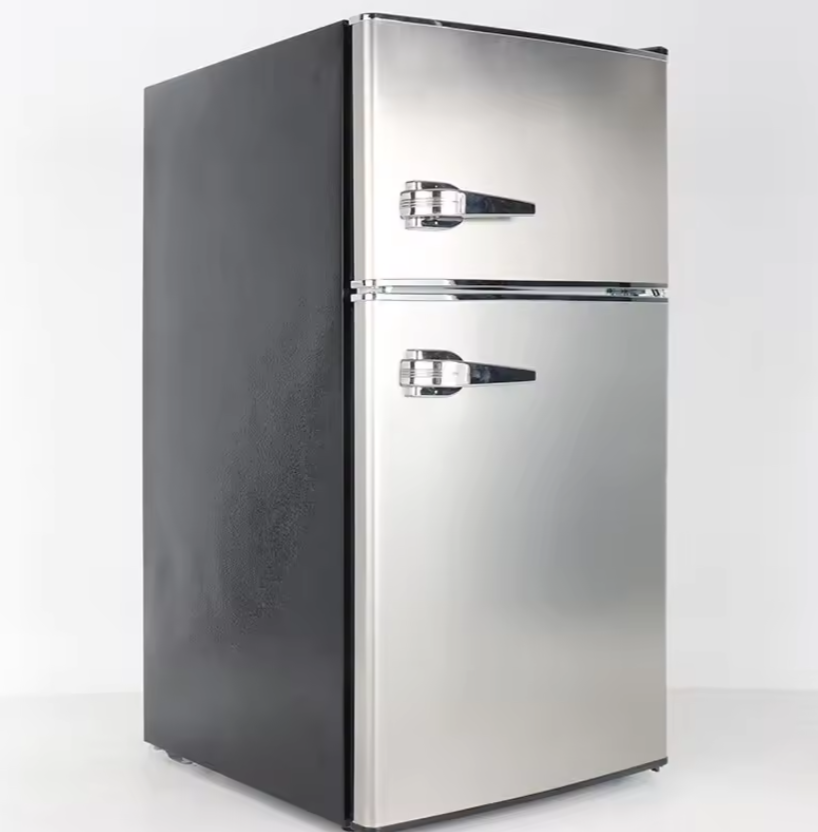
When it comes to preserving food for extended periods, choosing the right freezer type can significantly impact your storage efficiency, energy consumption, and overall convenience. The decision between a chest freezer and an upright freezer involves multiple factors including available space, storage capacity needs, energy efficiency requirements, and budget considerations. Understanding the fundamental differences between these two freezer configurations will help you make an informed decision that best suits your specific requirements.
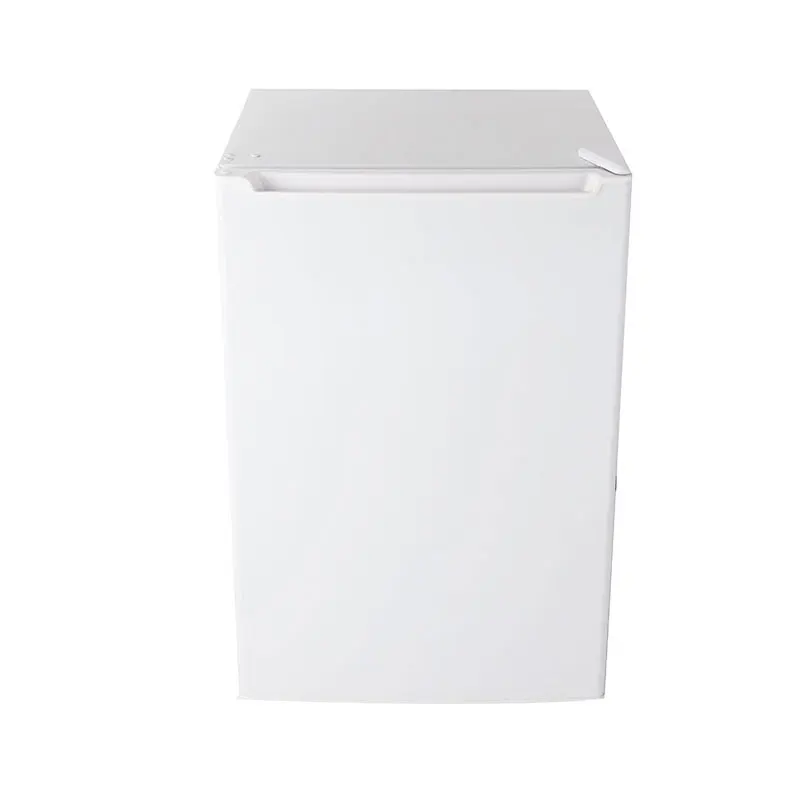
Both chest and upright freezer models have evolved considerably over the years, incorporating advanced technologies and improved insulation materials. Modern freezer units offer enhanced temperature control systems, better energy efficiency ratings, and more durable construction compared to older models. The choice between these two primary freezer types often depends on individual household needs, available installation space, and personal preferences regarding accessibility and organization.
Design and Space Considerations
Physical Footprint and Installation Requirements
The most apparent difference between chest and upright freezer models lies in their physical orientation and space utilization. A chest freezer requires significant floor space due to its horizontal design, typically measuring between 32 to 84 inches in width depending on capacity. This horizontal configuration means the unit extends outward from the wall, requiring adequate clearance for the lid to open fully. Installation planning must account for both the unit's footprint and the additional space needed for lid operation.
Conversely, an upright freezer utilizes vertical space more efficiently, requiring minimal floor area while extending upward. These units typically range from 28 to 32 inches in width but can reach heights of 70 inches or more. The vertical design makes upright models ideal for kitchens, pantries, or utility rooms with limited floor space but adequate ceiling height. Door swing clearance must be considered, but this requirement is generally less restrictive than chest freezer lid clearance.
Storage accessibility represents another crucial design consideration. Chest freezer units require users to reach down into the compartment, potentially making it challenging to access items stored at the bottom. This design can be particularly difficult for individuals with mobility limitations or back problems. The deep storage well of a chest freezer often leads to items becoming buried and forgotten at the bottom of the unit.
Capacity and Storage Organization
When comparing storage capacity, chest freezer models typically offer more usable space per cubic foot compared to upright alternatives. The absence of shelving systems and door compartments in chest freezers means virtually all internal space can be used for storage. This design advantage makes chest freezers particularly effective for storing large items such as whole turkeys, large cuts of meat, or bulk food purchases that might not fit easily in compartmentalized upright units.
Upright freezer units compensate for potentially smaller usable capacity with superior organization capabilities. Multiple shelves, door bins, and drawers allow for systematic storage and easy categorization of different food items. This organizational advantage makes it significantly easier to locate specific items quickly and maintain an inventory of stored foods. The vertical storage approach also facilitates better rotation of perishable items, reducing food waste.
The storage efficiency of each freezer type depends largely on the types of items being stored and personal organization preferences. Chest freezers excel at storing large quantities of similar items or irregularly shaped packages, while upright freezers better accommodate diverse smaller items that benefit from compartmentalized storage.
Energy Efficiency and Operating Costs
Insulation Performance and Temperature Stability
Energy efficiency represents a significant long-term cost consideration when selecting between chest and upright freezer models. Chest freezers generally demonstrate superior energy efficiency due to their design characteristics and insulation properties. The horizontal orientation means cold air naturally settles and remains in the storage compartment when the lid is opened, reducing temperature fluctuations and minimizing the workload on the compressor system.
The lid-opening mechanism of chest freezer units creates less air exchange compared to the door-opening action of upright models. When an upright freezer door opens, cold air immediately spills out and is replaced by warmer ambient air, forcing the cooling system to work harder to restore optimal temperatures. This fundamental physical principle gives chest freezers a distinct advantage in maintaining consistent internal temperatures with lower energy consumption.
Insulation thickness and quality also vary between freezer types, with chest models often featuring thicker insulation on all sides. The top-opening design allows for more uniform insulation distribution without compromising structural integrity or requiring complex door sealing mechanisms. Upright freezer units must balance insulation thickness with door weight and sealing efficiency, sometimes resulting in thermal bridges or less effective insulation in critical areas.
Compressor Efficiency and Operational Cycles
The compressor systems in chest and upright freezer units operate under different thermal loads and cycling patterns. Chest freezers typically experience fewer temperature fluctuations throughout the day, resulting in more consistent compressor operation and reduced start-stop cycling. This operational stability contributes to both energy efficiency and extended compressor lifespan, ultimately reducing maintenance costs and replacement frequency.
Upright freezer compressors must compensate for more frequent temperature variations caused by door openings and the natural tendency for cold air to escape. This increased thermal load often results in more frequent compressor cycling and higher overall energy consumption. However, modern upright freezer models incorporate advanced temperature control systems and improved door sealing technology to minimize these efficiency losses.
Energy efficiency ratings and annual operating costs should be carefully compared when evaluating different freezer options. While chest freezers generally offer superior efficiency, the difference may be offset by other factors such as convenience, organization benefits, or specific usage patterns that favor upright models.
Accessibility and User Experience
Loading and Unloading Convenience
The user experience differs significantly between chest and upright freezer designs, particularly regarding loading and unloading procedures. Chest freezer units require users to bend over or lean into the compartment to access stored items, which can be physically demanding and potentially problematic for individuals with mobility limitations. Deep chest freezers may require users to practically climb into the unit to reach items stored at the bottom, creating safety concerns and accessibility challenges.
Organizing items in a chest freezer requires careful planning to maintain accessibility to frequently used products. Many users develop layering systems or use baskets to prevent items from becoming buried, but these solutions add complexity to storage management. The horizontal storage orientation makes it difficult to see all stored items at a glance, potentially leading to forgotten products and food waste.
Upright freezer models provide significantly better accessibility through their vertical storage design and eye-level organization systems. Multiple shelves and compartments allow users to categorize and locate items easily without extensive bending or reaching. The front-facing orientation means most items remain visible and accessible, simplifying inventory management and reducing the likelihood of forgotten products.
Maintenance and Cleaning Requirements
Regular maintenance and cleaning procedures vary considerably between chest and upright freezer types. Chest freezer units can be more challenging to clean thoroughly due to their deep, horizontal design and the need to reach all interior surfaces. Defrosting a chest freezer requires careful planning to remove all contents and manage water drainage from the bottom of the unit.
The drainage system in chest freezers typically requires manual water removal or connection to a floor drain, adding complexity to the defrosting process. Users must often use towels, pumps, or other methods to remove accumulated ice and water from the bottom of the unit. This process can be time-consuming and potentially messy if not properly managed.
Upright freezer maintenance generally proves more straightforward due to easier access to all interior surfaces and more efficient drainage systems. Many upright models feature automatic defrosting systems that eliminate the need for manual intervention, though this convenience may come at the cost of slightly higher energy consumption. The vertical design facilitates easier cleaning of shelves and compartments, which can often be removed for thorough washing.
Cost Analysis and Value Considerations
Initial Purchase Price and Installation Costs
The initial purchase price represents a significant factor in freezer selection, with chest and upright models showing different pricing patterns across various capacity ranges. Generally, chest freezer units offer more storage capacity per dollar compared to upright alternatives, making them attractive options for budget-conscious consumers or those needing maximum storage space. The simpler mechanical design and fewer components in chest freezers often translate to lower manufacturing costs and retail prices.
Upright freezer models typically command higher prices due to more complex internal organization systems, door mechanisms, and shelving components. The engineering required to create efficient vertical storage with multiple compartments and reliable door sealing systems adds to manufacturing costs. However, the convenience and accessibility benefits may justify the higher initial investment for many consumers.
Installation costs remain relatively minimal for both freezer types, though site preparation requirements may differ. Chest freezers require adequate floor space and may need floor reinforcement for larger models, while upright units primarily need sufficient ceiling clearance and door swing space. Both types require proper electrical connections and should be positioned to allow adequate ventilation around cooling components.
Long-term Operating Expenses and Maintenance
Long-term operating expenses encompass energy consumption, maintenance requirements, and potential repair costs over the appliance's lifespan. Chest freezer units typically demonstrate lower annual energy consumption, resulting in reduced electricity costs over many years of operation. The superior energy efficiency can offset higher initial purchase prices for upright models over the appliance's expected lifespan.
Maintenance costs tend to be lower for chest freezer units due to their simpler mechanical design and fewer moving parts. The absence of complex door mechanisms, automatic defrost systems, and multiple shelving components reduces potential failure points and associated repair costs. However, when major repairs are needed, accessing internal components in chest freezers can be more challenging and potentially more expensive.
Upright freezer maintenance costs may be higher due to more complex systems, but the easier accessibility for repairs can sometimes offset these expenses. Replacement parts for shelving, door seals, and organizational components are typically more readily available for upright models. The trade-off between convenience features and maintenance complexity should be considered in long-term cost calculations.
Performance and Reliability Factors
Temperature Consistency and Food Preservation
Temperature consistency plays a crucial role in effective food preservation and freezer performance evaluation. Chest freezer designs inherently provide superior temperature stability due to their horizontal orientation and minimal cold air loss during opening cycles. The natural tendency for cold air to remain in the storage compartment creates more consistent freezing conditions and better preservation of food quality over extended periods.
The thermal mass effect in chest freezers also contributes to temperature stability during power outages or mechanical issues. Large quantities of frozen food act as thermal batteries, helping maintain low temperatures longer when cooling systems are not operating. This characteristic makes chest freezers particularly valuable for long-term food storage or in areas with unreliable electrical power.
Upright freezer models face greater challenges in maintaining consistent temperatures due to cold air loss during door openings and the tendency for temperature stratification in vertical compartments. Modern upright freezers incorporate advanced air circulation systems and temperature monitoring to minimize these effects, but physics still favors the horizontal chest design for ultimate temperature consistency.
Durability and Expected Lifespan
The expected lifespan and durability characteristics differ between chest and upright freezer designs, influenced by mechanical complexity and usage patterns. Chest freezer units typically demonstrate excellent longevity due to their simple design, minimal mechanical stress on components, and reduced wear from frequent door operations. The horizontal orientation places less strain on hinges, seals, and structural components compared to vertical designs.
The compressor systems in chest freezers often experience less thermal stress due to more stable operating conditions and reduced cycling frequency. This operational stability can contribute to extended compressor lifespan and fewer mechanical failures over time. The simpler overall design means fewer potential failure points and more predictable maintenance requirements.
Upright freezer durability depends heavily on the quality of door mechanisms, shelving systems, and sealing components. Higher-quality upright models can provide excellent longevity, but the increased mechanical complexity creates more potential failure points. Door hinges, drawer slides, and automatic defrost systems represent additional components that may require maintenance or replacement over the appliance's lifespan.
FAQ
Which freezer type offers better energy efficiency for long-term savings
Chest freezer models typically provide superior energy efficiency compared to upright alternatives, primarily due to their horizontal design that retains cold air more effectively when opened. This design advantage can result in 10-25% lower energy consumption annually, translating to significant savings over the appliance's lifespan. The improved efficiency stems from reduced cold air loss and more stable internal temperatures that require less compressor cycling.
How do storage capacity and organization compare between the two freezer types
Chest freezers generally offer more usable storage space per cubic foot due to the absence of shelving systems and door compartments, making them ideal for bulk storage and large items. However, upright freezers provide superior organization capabilities with multiple shelves and compartments that facilitate easy categorization and access to stored items. The choice depends on whether maximum capacity or convenient organization takes priority for your specific needs.
What are the main accessibility considerations for each freezer design
Upright freezer models provide significantly better accessibility with eye-level storage and front-facing organization that eliminates the need for bending or reaching into deep compartments. Chest freezers require users to lean over and reach down into the storage well, which can be challenging for individuals with mobility limitations or back problems. Consider your physical capabilities and frequency of access when making this decision.
Which freezer type requires more maintenance and cleaning effort
Chest freezer units generally require more effort for thorough cleaning due to their deep, horizontal design and manual defrosting requirements that involve water drainage management. Upright freezers offer easier maintenance with removable shelves and often feature automatic defrosting systems, though they may have more complex mechanical components that could require professional servicing. The trade-off is between cleaning convenience and mechanical simplicity.