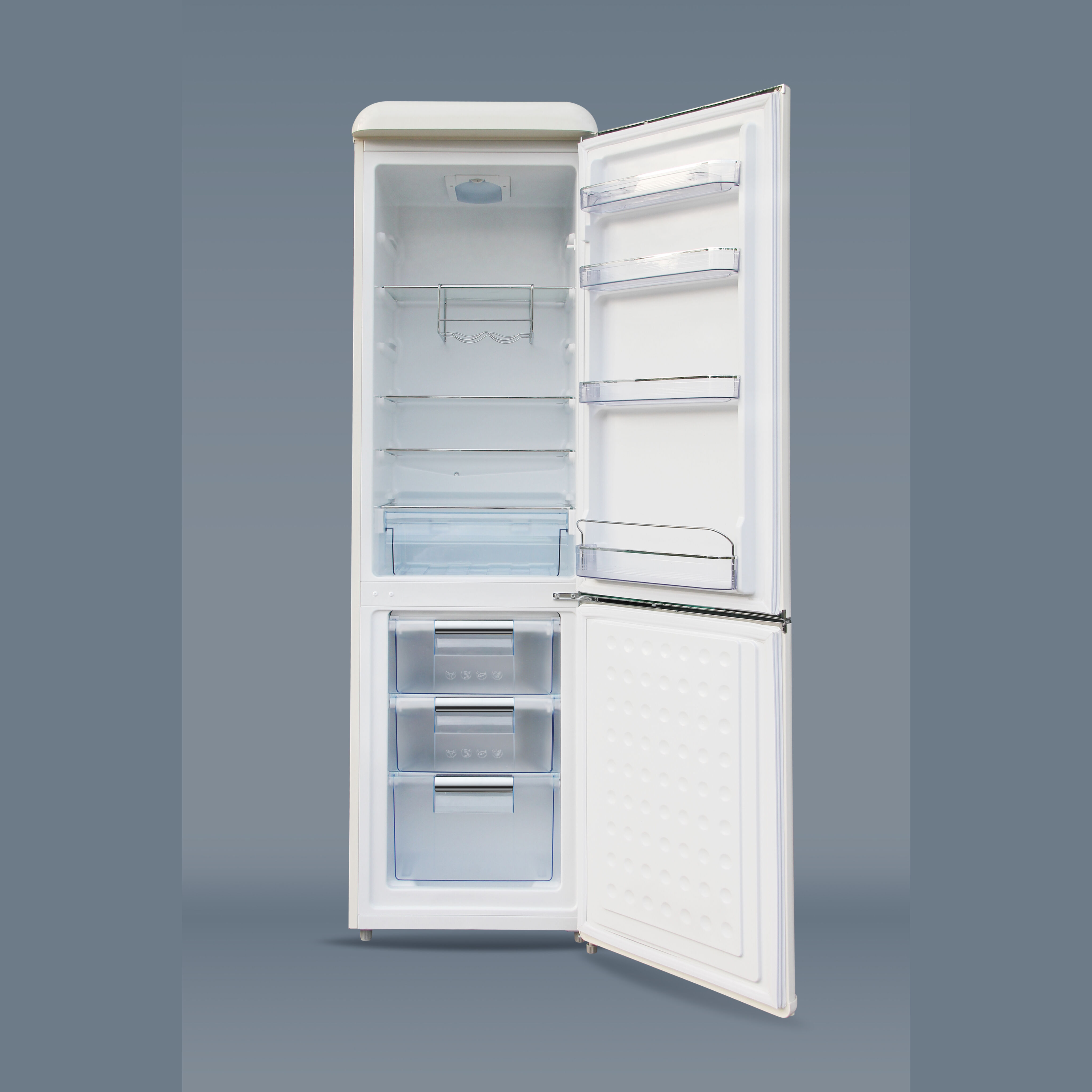
refrigerator factory
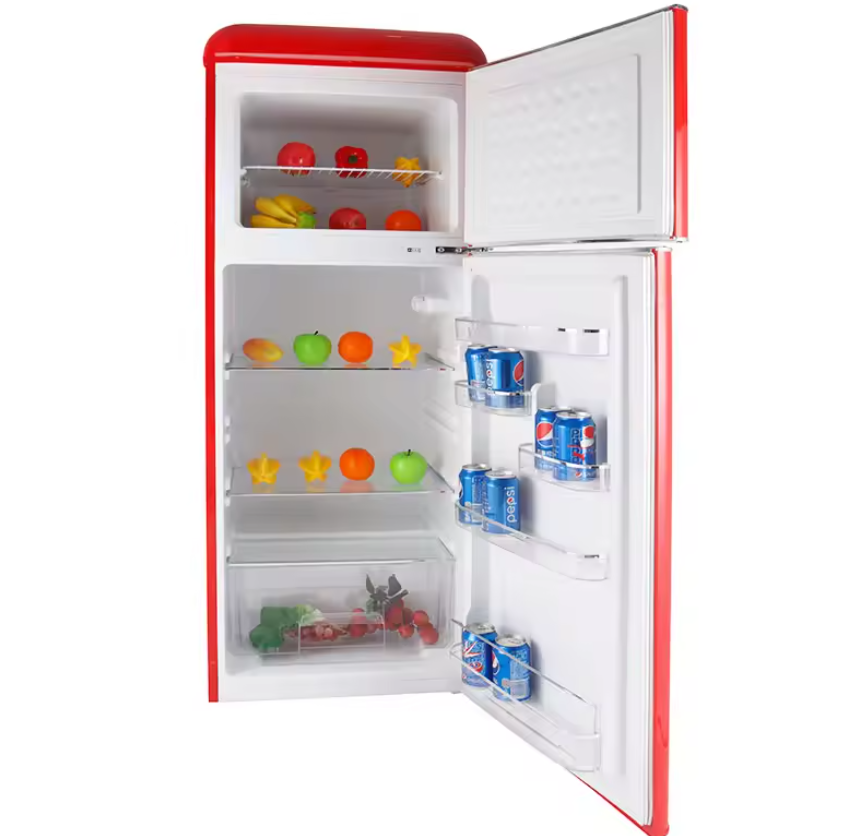
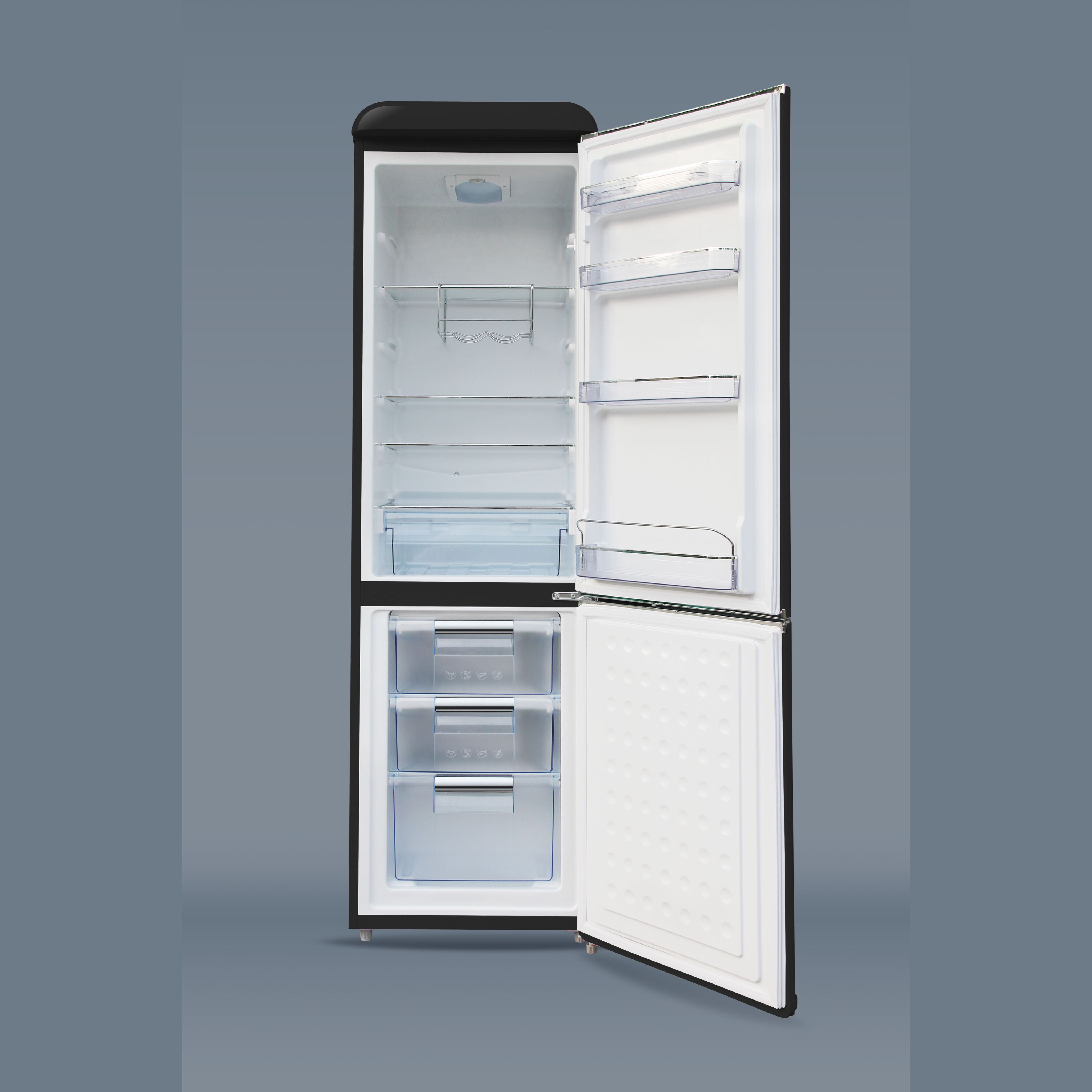
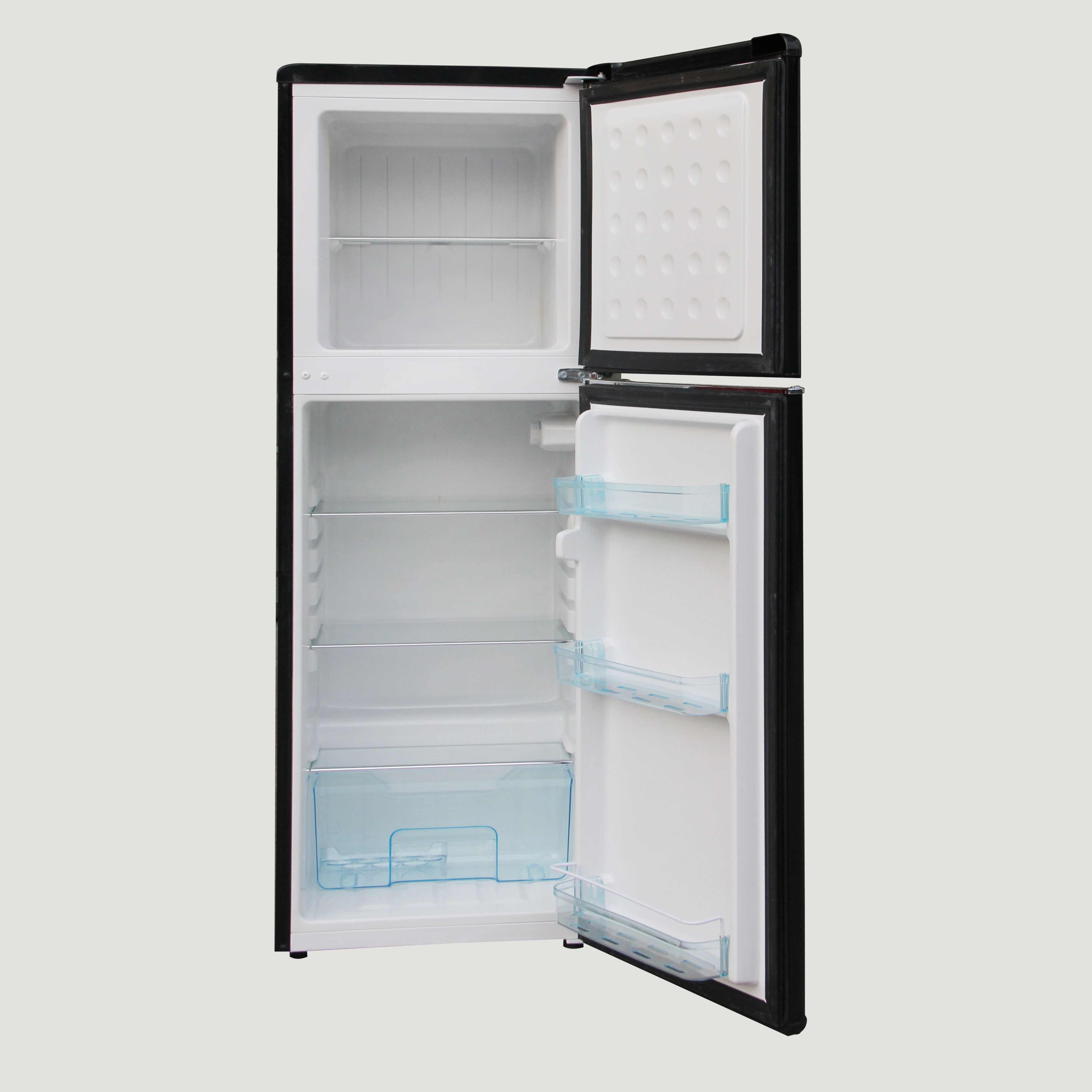
A modern refrigerator factory represents the pinnacle of contemporary manufacturing excellence, combining advanced production techniques with cutting-edge technology to deliver high-quality cooling appliances. These sophisticated manufacturing facilities serve as the backbone of the global appliance industry, producing millions of refrigerators annually to meet diverse consumer needs worldwide. The primary function of a refrigerator factory extends beyond simple assembly operations, encompassing comprehensive design, engineering, testing, and quality assurance processes that ensure each unit meets stringent performance standards. Manufacturing operations within these facilities integrate multiple specialized departments, including component fabrication, insulation installation, compressor assembly, electrical systems integration, and final product testing. The technological infrastructure of a contemporary refrigerator factory incorporates automated production lines equipped with robotic assembly systems, precision welding equipment, and computerized quality control mechanisms. These manufacturing plants utilize advanced materials science to develop energy-efficient insulation systems, eco-friendly refrigerants, and durable exterior finishes that enhance product longevity and performance. Production capabilities typically include multiple refrigerator categories, ranging from compact residential units to large commercial freezing systems, each designed with specific consumer applications in mind. The factory environment maintains strict temperature and humidity controls to ensure optimal manufacturing conditions, while implementing comprehensive safety protocols to protect workers and maintain product integrity. Quality assurance processes involve rigorous testing procedures that evaluate cooling efficiency, energy consumption, noise levels, and durability under various operating conditions. Modern refrigerator factory operations emphasize sustainable manufacturing practices, incorporating recycling programs, waste reduction initiatives, and energy-efficient production methods that minimize environmental impact. These facilities often feature research and development departments that continuously innovate new technologies, improving product functionality while reducing manufacturing costs and environmental footprint.
 EN
EN