EN
EN

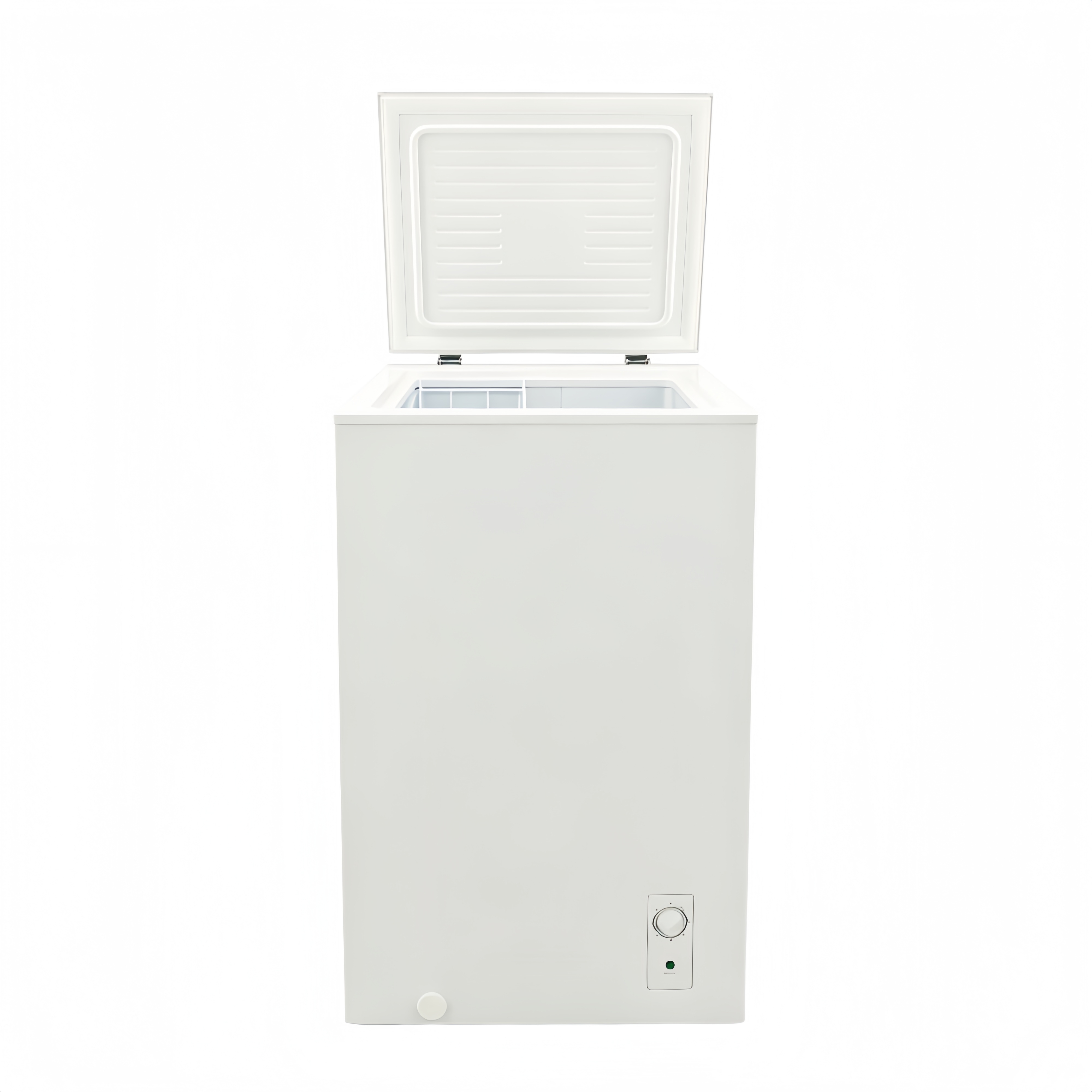
A Freezer OEM agreement is more than a simple manufacturing contract. It is a structured partnership that defines every technical detail of a product, from compressor type and insulation thickness to control board logic and exterior branding. For B2B buyers, distributors, and private-label brands, understanding the scope of these agreements is essential to ensuring that the final product meets market requirements, regulatory standards, and end-user expectations. The Freezer OEM process demands clarity from both sides before production begins.
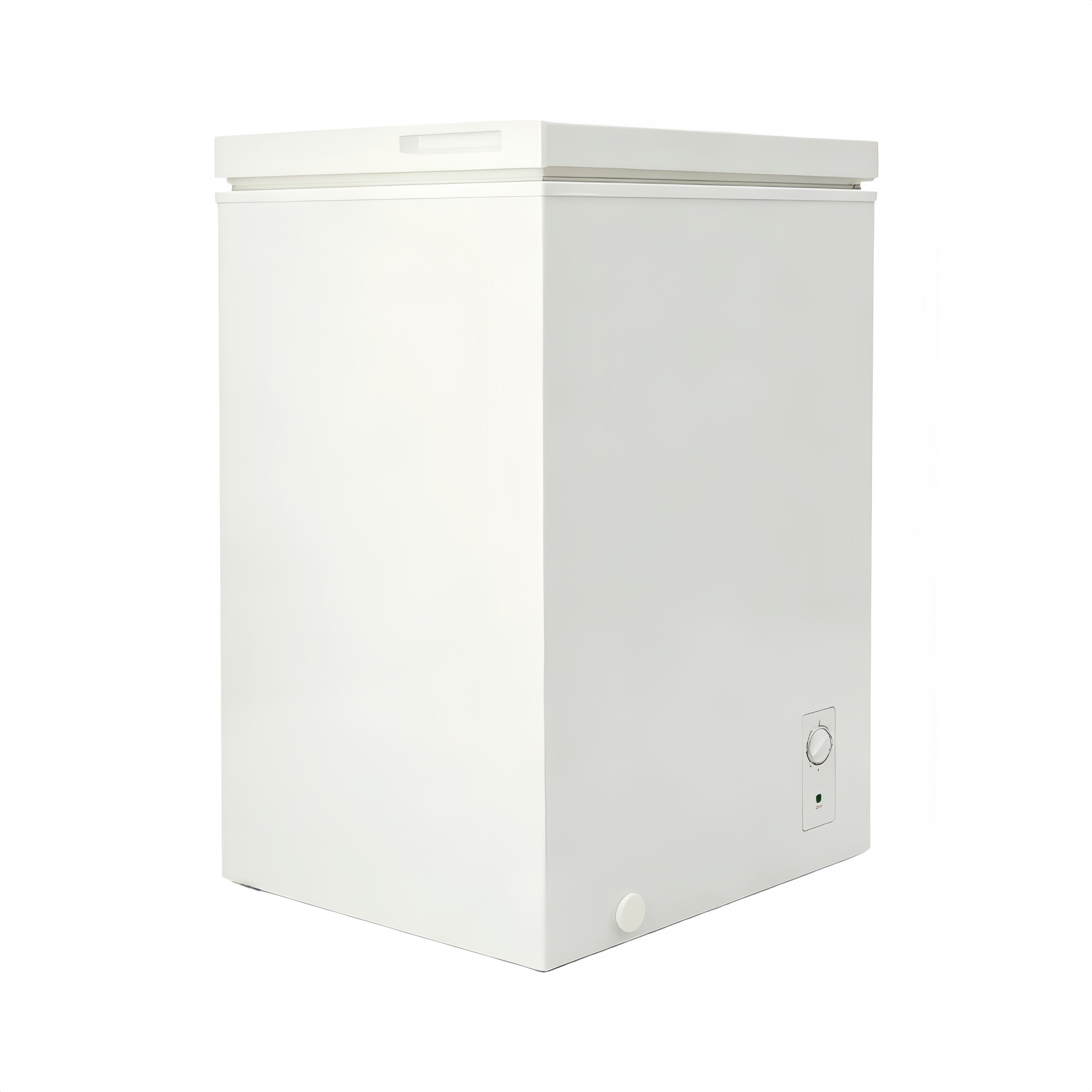
The growing demand for specialized cold-storage solutions across industries such as medical logistics, food retail, and off-grid solar energy has made Freezer OEM partnerships increasingly complex and strategically important. Buyers no longer request a standard unit with a logo on it. They come with detailed performance requirements, regional certifications, and specific use-case scenarios that require genuine engineering collaboration. A well-structured Freezer OEM agreement addresses all of these dimensions in a documented, enforceable format that protects both manufacturer and buyer throughout the product lifecycle.
Core Technical Specifications in Freezer OEM Agreements
Thermal Performance and Cooling System Design
The foundation of any Freezer OEM agreement lies in thermal performance specifications. Buyers must define the target temperature range, pull-down time, and ambient operating conditions that the Freezer OEM product must consistently achieve. For example, a solar-powered chest freezer designed for tropical off-grid markets must maintain internal temperatures below minus eighteen degrees Celsius even when ambient temperatures exceed forty degrees Celsius. These performance targets directly influence compressor selection, refrigerant type, and insulation panel thickness in every Freezer OEM unit.
Cooling system design within a Freezer OEM agreement also covers the power source compatibility. DC-powered Freezer OEM units using twelve-volt or twenty-four-volt input require a different compressor architecture than AC-powered units. Buyers sourcing a Freezer OEM product for solar applications must specify the voltage input range, battery protection thresholds, and energy efficiency class. These details are written into the Freezer OEM technical annex and become binding production requirements that the manufacturer must verify through pre-production testing.
Structural and Material Specifications
Beyond cooling performance, a Freezer OEM agreement must address structural materials and component standards. Interior liner material, exterior cabinet finish, gasket durability, hinge load rating, and lid seal integrity are all subject to specification in a rigorous Freezer OEM project. Buyers targeting food safety markets often require food-grade ABS liners and anti-bacterial coatings, while buyers in the medical or pharmaceutical sector may require specific foam density ratings for the insulation layer. Each Freezer OEM agreement should contain material compliance declarations alongside the product drawings.
Hardware standards such as locking mechanisms, handles, and drainage systems also belong in the Freezer OEM specification document. These elements affect both product usability and long-term reliability in the field. A Freezer OEM partner with strong engineering capabilities will typically offer a range of pre-approved component options that buyers can select from, reducing development time while maintaining product quality. When buyers introduce entirely new components, the Freezer OEM manufacturer must validate these through testing before committing to mass production.
Customization Options Within Freezer OEM Frameworks
Branding, Appearance, and Packaging
One of the most valued aspects of a Freezer OEM relationship is the ability to deliver a product that carries the buyer's brand identity. This includes custom color finishes, silk-screened or embossed logos, branded control panel interfaces, and private-label packaging. In a well-managed Freezer OEM program, the manufacturer maintains a brand asset checklist that ensures all visual elements are reproduced consistently across production batches. Buyers who plan to enter multiple regional markets may request localized packaging variations within the same Freezer OEM production run.
Freezer OEM customization at the branding level also extends to digital elements. Smart Freezer OEM units with Wi-Fi or Bluetooth monitoring capabilities may include custom mobile application interfaces or branded alert notifications. These software customizations are negotiated separately from hardware specifications and typically require the buyer to supply interface design assets. A clear Freezer OEM agreement will define who owns the software intellectual property, what update obligations the manufacturer holds, and how firmware versions are managed over the product lifespan.
Functional and Configuration Customization
Beyond aesthetics, Freezer OEM buyers frequently request functional customization that affects how the unit operates. This includes adjustable temperature ranges, selectable operating modes such as freezer-only versus refrigerator-freezer dual mode, lock features for commercial or institutional use, and alarm threshold configurations. Each of these Freezer OEM modifications must be documented with clear acceptance criteria so that the quality control process can verify them before shipment.
Volume-based customization is another practical dimension of Freezer OEM agreements. Buyers ordering high volumes may negotiate exclusive component sourcing or proprietary design features that the manufacturer agrees not to replicate for other clients. This type of Freezer OEM exclusivity clause is common in competitive retail markets where differentiation depends on unique product features. The agreement must define the minimum order quantities that trigger exclusivity and specify the duration of that exclusivity period in unambiguous terms.
Quality Assurance and Compliance in Freezer OEM Projects
Pre-Production Validation and Sample Approval
No Freezer OEM project should enter mass production without a structured sample approval process. The typical Freezer OEM validation sequence involves an engineering sample, a pilot production sample, and a final golden sample that serves as the production benchmark. Each stage is reviewed against the agreed technical specifications, and any deviation triggers a formal engineering change request. This process protects both parties and prevents costly post-production disputes over product conformance in the Freezer OEM supply chain.
During validation, buyers should also confirm that the Freezer OEM manufacturer holds the necessary certifications for target markets. Common certifications relevant to Freezer OEM products include CE marking for Europe, ETL or UL listing for North America, CCC for China, and EAC for the Eurasian market. If a Freezer OEM product targets off-grid solar applications, energy rating certifications may also be required. Certification responsibilities and cost allocation should be explicitly addressed in the Freezer OEM agreement before production begins.
Ongoing Quality Control and After-Sales Obligations
A complete Freezer OEM agreement also defines ongoing quality obligations after product launch. This includes defect rate targets, warranty period terms, spare parts availability commitments, and the process for handling field returns. Buyers who distribute Freezer OEM products through retail channels or service networks need clear escalation paths when performance issues arise in the field. Manufacturers with mature Freezer OEM programs typically assign a dedicated account engineer to manage these post-production relationships efficiently.
FAQ
What should be included in a Freezer OEM technical specification document?
A Freezer OEM technical specification document should cover thermal performance targets, power input requirements, structural materials, component standards, regulatory certifications, and any custom functional features. It serves as the production reference for the Freezer OEM manufacturer and the acceptance benchmark for the buyer throughout all quality checks.
How does customization affect lead times in a Freezer OEM agreement?
Customization in a Freezer OEM project typically extends lead times compared to standard catalogue products. The more extensive the Freezer OEM changes, the longer the engineering, tooling, and validation phases will take. Buyers should plan for additional weeks when introducing new molds, custom electronic configurations, or third-party certified components into the Freezer OEM production process.
Can small or mid-sized buyers access Freezer OEM programs?
Yes, many Freezer OEM manufacturers offer scalable programs that accommodate smaller order volumes, particularly for buyers in emerging markets or niche application segments. However, certain Freezer OEM customization features such as exclusive tooling or dedicated certification testing may require minimum volume commitments. Buyers should discuss their volume projections transparently with the Freezer OEM supplier to identify which customization tiers are realistically accessible for their program scale.