EN
EN

Selecting the right refrigerator is one of the most important decisions you'll make for your kitchen. A refrigerator serves as the cornerstone of food preservation and household convenience, yet many buyers feel overwhelmed by the endless options available today. Understanding what matters most when shopping for a refrigerator can save you money, reduce buyer's remorse, and ensure you invest in an appliance that truly meets your family's needs for years to come.
Before you step into an appliance showroom or scroll through online listings, it helps to clarify your priorities. Each refrigerator model offers distinct advantages depending on your kitchen layout, lifestyle, and budget constraints. This comprehensive guide walks you through the essential factors that define a quality refrigerator, from physical dimensions to advanced cooling technology and aesthetic appeal.
Understanding Refrigerator Size and Capacity
Measuring Your Space and Needs
Refrigerator dimensions vary dramatically across product categories. Standard counter-depth refrigerators typically measure 24 to 30 inches wide, 65 to 70 inches tall, and 24 to 28 inches deep. A full-size refrigerator with generous capacity may reach 36 inches in width and store between 20 and 28 cubic feet of food. Before purchasing a refrigerator, measure your available kitchen space carefully, accounting for door swing clearance and ventilation gaps required behind the unit. Most manufacturers recommend leaving at least 1 to 2 inches of clearance on all sides of your refrigerator for proper airflow and heat dissipation.
Capacity requirements depend heavily on household size and shopping habits. A family of four typically benefits from a refrigerator offering 18 to 22 cubic feet of usable storage. Conversely, a single professional or retired couple might find a compact 10 to 15 cubic-foot refrigerator perfectly adequate. When evaluating your refrigerator needs, consider whether you entertain frequently, maintain bulk groceries, or rely on frequent fresh shopping. Your lifestyle and food storage preferences should drive your refrigerator capacity decision far more than industry averages or marketing claims.
Layout Configurations and Accessibility
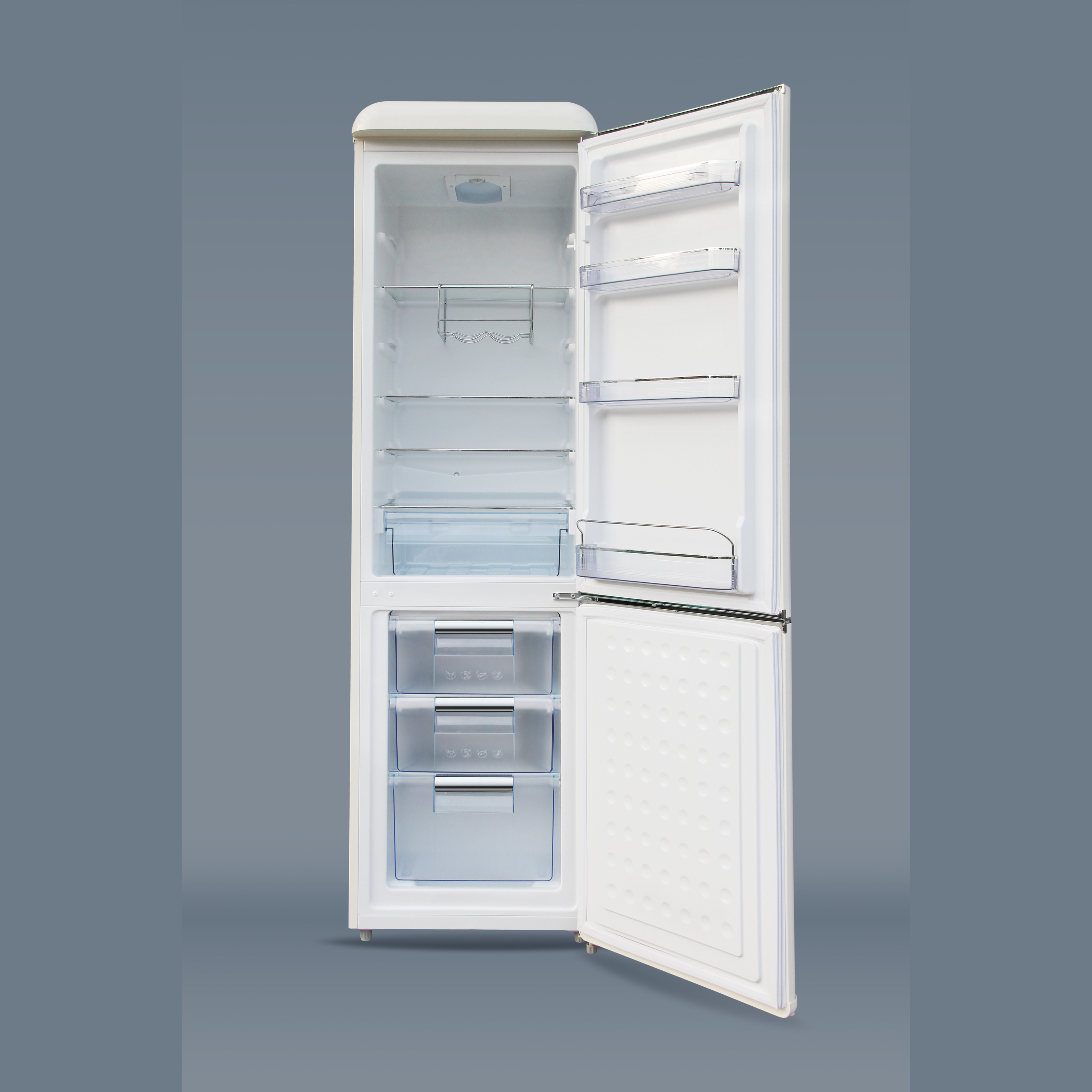
Modern refrigerator designs offer multiple internal layouts that affect how you access and organize food. French-door refrigerators provide a narrow, efficient opening through two side-by-side doors, reducing cold air loss and offering excellent visibility of fresh ingredients. Side-by-side refrigerators split freezer and fresh-food sections vertically, ideal for households that use frozen items frequently. Top-freezer refrigerators place the freezer above the fresh-food compartment, maximizing refrigerator shelving space and typically costing less than premium configurations. Bottom-freezer refrigerator models reverse this arrangement, putting fresh-food storage at eye level for easier access to frequently used items. A specialized refrigerator like a compact or portable unit might suit a vacation home, office break room, or apartment setting where space constraints matter most.
Exploring Refrigerator Styles and Aesthetic Fit
Finish and Visual Impact
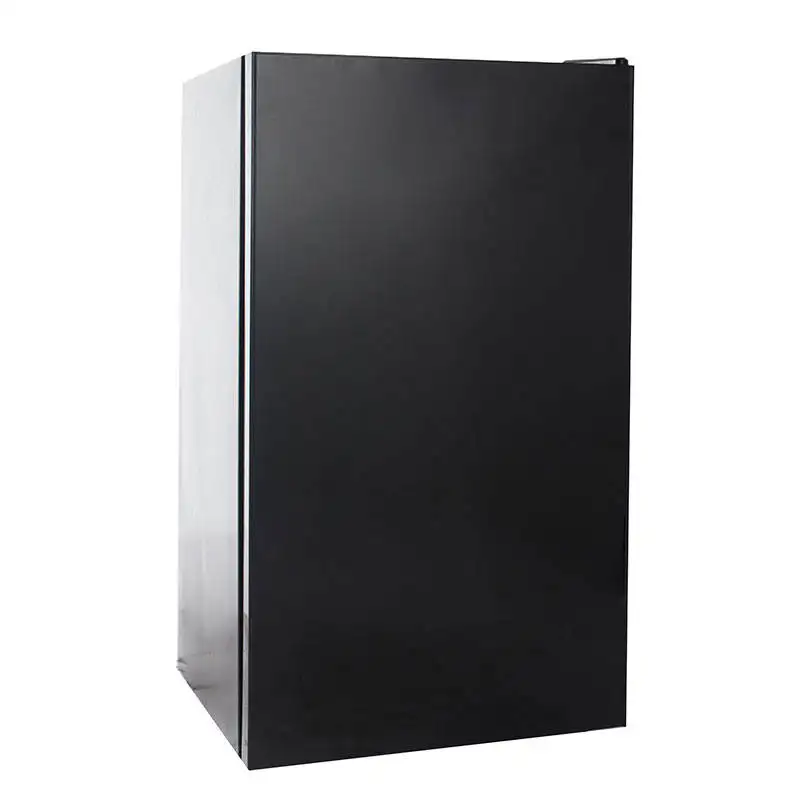
The exterior finish of your refrigerator significantly influences kitchen aesthetics and long-term satisfaction. Stainless steel remains the industry standard, offering a modern appearance and relative resistance to fingerprints when properly maintained. Black stainless steel provides a bold, contemporary look that hides smudges better than traditional stainless. A refrigerator in white or almond creates a classic, clean aesthetic suited to transitional or farmhouse kitchen designs. Panel-ready refrigerator models allow custom cabinet fronts to match your cabinetry exactly, though they typically command premium pricing. When selecting a refrigerator finish, ensure your choice complements your existing kitchen design and aligns with your willingness to maintain the exterior regularly.
Design Trends and Personalization
Contemporary refrigerator styles increasingly feature glass doors, multiple temperature zones, and smart home integration. An advanced refrigerator might display an interior camera, recipe suggestions, or grocery inventory reminders through a connected smartphone app. However, trendy features require ongoing software support and may inflate your refrigerator purchase price substantially. A minimalist refrigerator design focusing on reliability and efficient storage might serve you better if you prioritize durability over technological novelty. When evaluating style options, distinguish between features that enhance daily convenience and those that appeal primarily to early adopters seeking the latest innovations.
Key Refrigerator Features That Impact Performance
Cooling Technology and Temperature Control
Modern refrigerator systems employ various cooling strategies to maintain optimal temperatures and preserve food quality. Conventional refrigerator models use a single evaporator to cool both the freezer and fresh-food sections sequentially, distributing cold air through adjustable dampers. Dual evaporator refrigerator designs maintain independent temperature zones, allowing you to optimize freezer storage at 0°F while keeping fresh produce at 35°F without fluctuation. Inverter compressor technology, common in premium refrigerator units, adjusts cooling intensity based on actual demand, reducing energy consumption and wear on mechanical components. When comparing refrigerator cooling systems, research actual temperature stability ratings and consumer reports documenting real-world performance rather than relying solely on marketing descriptions.
Energy efficiency directly impacts your long-term refrigerator ownership costs. Look for refrigerator models bearing the Energy Star certification, which indicates compliance with strict efficiency standards set by the U.S. Environmental Protection Agency. An efficient refrigerator typically costs 15 to 25 percent less to operate annually compared to older or non-certified models. High-efficiency refrigerator technology includes enhanced insulation, optimized compressor cycles, and smart defrost mechanisms that minimize energy waste. A refrigerator with superior efficiency represents better value over its 10 to 15-year lifespan despite potentially higher initial purchase price.
Storage Features and Convenience Functions
Interior organization dramatically affects refrigerator usability and food preservation outcomes. Adjustable shelving accommodates varying container heights and supports different storage strategies. A refrigerator with dedicated fresh-produce drawers maintains optimal humidity for vegetables and fruits, significantly extending shelf life. Wine coolers, ice makers, water dispensers, and specialized refrigerator compartments for meats or deli items add convenience though they increase cost and complexity. Consider which storage features align with your actual household habits; a refrigerator packed with rarely-used specialty compartments represents wasted investment and reduced efficient storage space.
FAQ
What size refrigerator do I need for my household?
Household refrigerator size depends on family size and shopping frequency. Most households of four need a refrigerator between 18 and 22 cubic feet. Measure your available kitchen space first, then select a refrigerator capacity that fits your lifestyle without exceeding your budget or creating accessibility problems. Visiting a showroom to examine refrigerator dimensions firsthand helps ensure your choice fits comfortably in your space.
Is a more expensive refrigerator always better quality?
Price alone doesn't guarantee refrigerator quality or longevity. A mid-range refrigerator from a reputable manufacturer with solid warranty coverage often delivers better value than premium models loaded with unnecessary technology. Research refrigerator reliability ratings through consumer reports and manufacturer reviews before making your decision. Focus on features that matter to your household rather than paying for trendy refrigerator additions you'll rarely use.
How can I improve my refrigerator's energy efficiency?
Beyond selecting an Energy Star-certified refrigerator, regular maintenance enhances efficiency. Keep refrigerator coils clean, ensure door seals remain tight, and avoid placing your refrigerator near heat sources. Maintain proper refrigerator temperature settings between 35 and 38°F for the fresh-food section. Organized refrigerator storage allows air to circulate freely, supporting efficient cooling. These practices extend your refrigerator's operational lifespan while reducing energy consumption and utility costs.