EN
EN

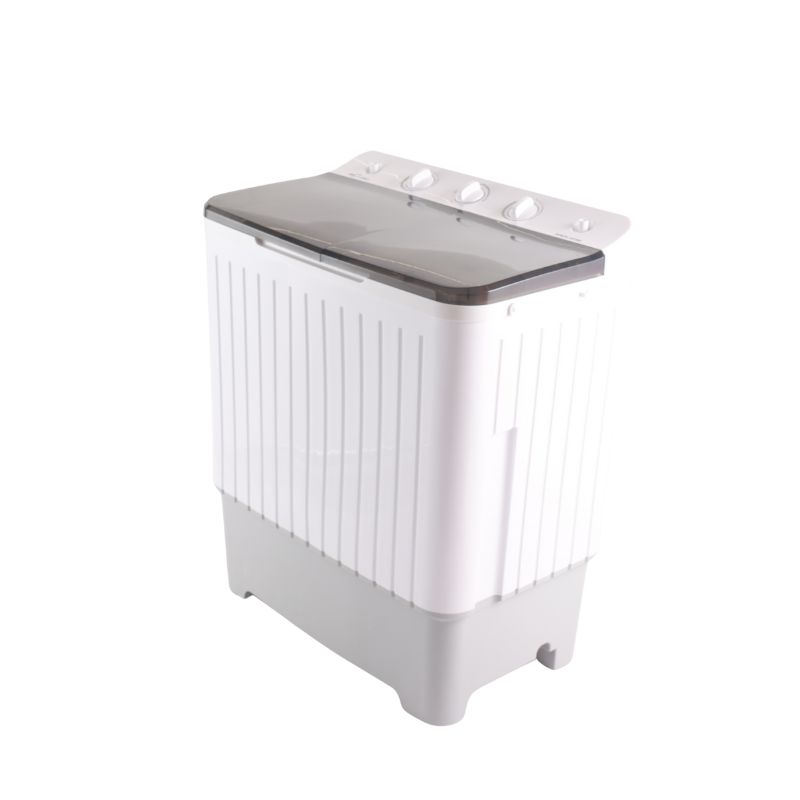
Modern homes demand appliances that balance performance with sustainability, and energy-efficient washing machine designs have become essential for environmentally conscious households. The evolution of washing technology reflects growing consumer awareness about utility costs and environmental impact, making the selection of the right appliance a critical decision for homeowners seeking long-term savings and reliability.
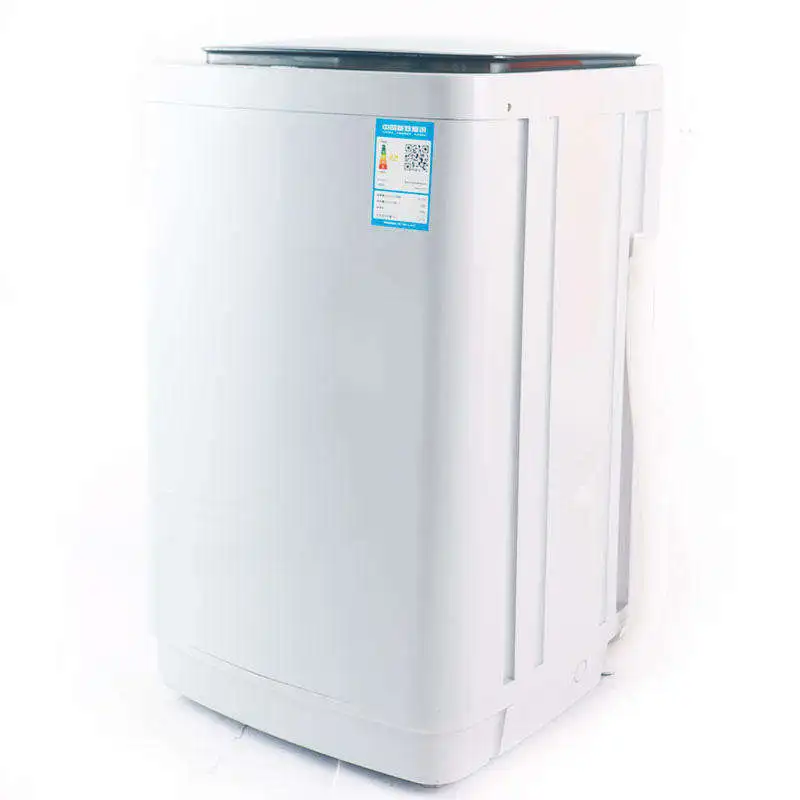
Today's energy-efficient washing machine designs incorporate advanced technologies that significantly reduce water consumption and electricity usage compared to conventional models. These innovations represent the intersection of engineering excellence and practical home economics, offering households a pathway to lower operational costs while maintaining exceptional cleaning capabilities across diverse fabric types and soil levels.
Advanced Technologies in Modern Energy-Efficient Washing Machine Designs
Variable Frequency Drive Motors and Smart Load Detection
Energy-efficient washing machine designs increasingly feature variable frequency drive motors that adjust operational speed based on load weight and fabric type. These intelligent systems optimize motor performance throughout the wash cycle, reducing unnecessary energy consumption during lighter loads while maintaining powerful cleaning action when needed. Smart load detection sensors work in conjunction with advanced drum mechanisms to maximize efficiency without compromising wash quality, making these features central to contemporary energy-efficient washing machine designs.
The integration of load-sensing technology in energy-efficient washing machine designs allows machines to calibrate water temperature, cycle duration, and spin speed automatically. This adaptive approach ensures that each wash uses only the resources necessary for optimal results, eliminating waste that occurs in traditional fixed-cycle machines. Manufacturers developing energy-efficient washing machine designs recognize that precision in resource allocation directly translates to measurable monthly utility savings for homeowners.
Drum Design and Water Management Systems
Contemporary energy-efficient washing machine designs employ innovative drum configurations with perforated surfaces and wave-like patterns that enhance water circulation while minimizing water volume requirements. These architectural improvements in energy-efficient washing machine designs enable efficient fabric treatment using significantly less water than conventional designs, a critical factor in regions facing water scarcity. The engineering behind these drum systems demonstrates how thoughtful design in energy-efficient washing machine designs directly impacts both environmental footprint and operational economy.
Water heating efficiency represents another cornerstone of modern energy-efficient washing machine designs. Advanced thermal management systems in energy-efficient washing machine designs maintain precise temperature control, reducing heat loss during cycles and optimizing energy consumption. Some premium energy-efficient washing machine designs incorporate heat pump technology that recycles thermal energy from drainage water, representing the cutting edge of residential laundry innovation.
Performance Advantages of Energy-Efficient Washing Machine Designs
Cleaning Efficacy and Fabric Care
A common misconception holds that energy-efficient washing machine designs compromise cleaning power, yet modern technologies have eliminated this trade-off entirely. Energy-efficient washing machine designs utilize precision engineering in mechanical action, water jet patterns, and detergent dispersion to achieve superior soil removal compared to older machines. The combination of advanced drum mechanics and intelligent cycle management in energy-efficient washing machine designs ensures that every garment receives optimal treatment regardless of soil level or fabric composition.
Fabric longevity has measurably improved with energy-efficient washing machine designs that employ gentler mechanical actions and controlled water temperatures. These innovations protect delicate materials while delivering thorough cleaning, extending garment lifespan and reducing the frequency of replacement purchases. Homeowners investing in energy-efficient washing machine designs benefit not only from lower utility bills but also from enhanced garment durability and reduced overall textile consumption.
Operational Convenience and Smart Features
Energy-efficient washing machine designs increasingly integrate smart home connectivity, enabling remote cycle monitoring, maintenance alerts, and usage optimization through mobile applications. These digital capabilities in energy-efficient washing machine designs empower homeowners with real-time data about water consumption, energy usage, and operational efficiency. Mobile integration with energy-efficient washing machine designs allows users to schedule cycles during off-peak electricity hours, further maximizing cost savings and reducing demand on electrical grids.
Noise reduction represents another significant advantage of energy-efficient washing machine designs that employ advanced vibration dampening systems and precision-engineered components. These features enhance household comfort while maintaining the operational reliability that energy-efficient washing machine designs are engineered to deliver. The combination of quiet operation and smart connectivity makes modern energy-efficient washing machine designs increasingly attractive to homeowners prioritizing both convenience and environmental responsibility.
Cost-Benefit Analysis and Return on Investment
Utility Savings and Long-Term Economics
Energy-efficient washing machine designs typically reduce water consumption by 40 percent compared to conventional models, translating to substantial savings across an appliance lifetime. A household utilizing energy-efficient washing machine designs can expect electricity reductions of 25 to 30 percent, with cumulative savings easily exceeding $500 over a five-year period depending on local utility rates. The financial case for energy-efficient washing machine designs strengthens considerably in regions with high water costs or electricity rates, making regional economic conditions a crucial evaluation factor.
Initial purchase premiums for energy-efficient washing machine designs typically range between 15 and 25 percent above conventional models, yet this investment recovers through operational savings within 3 to 5 years for average households. Energy-efficient washing machine designs often qualify for utility rebate programs that further accelerate return on investment timelines. Homeowners evaluating energy-efficient washing machine designs should factor both direct utility savings and available incentive programs into their purchase decisions to understand true cost implications.
Environmental Impact and Sustainability Considerations
The environmental benefits of energy-efficient washing machine designs extend beyond individual household carbon footprints to systemic grid demand reduction and watershed protection. Energy-efficient washing machine designs that reduce water consumption by millions of gallons annually contribute meaningfully to municipal water conservation efforts, particularly in drought-prone regions. The manufacturing of energy-efficient washing machine designs increasingly incorporates sustainable materials and processes, creating comprehensive environmental advantages throughout product lifecycle stages.
Consumer adoption of energy-efficient washing machine designs supports market momentum toward cleaner appliance manufacturing practices and renewable energy integration. As energy-efficient washing machine designs become market standards, manufacturers invest increasingly in sustainable production methods and recycled component materials. This virtuous cycle driven by energy-efficient washing machine designs adoption accelerates broader industry transformation toward environmental responsibility and resource stewardship.
FAQ
What specific water savings can homeowners expect from energy-efficient washing machine designs?
Energy-efficient washing machine designs reduce water consumption by approximately 40 percent compared to traditional models, with high-efficiency front-load variants achieving even greater reductions. A typical household operating an energy-efficient washing machine designs unit approximately 4 times weekly can conserve over 4,000 gallons annually. When combined with water heating efficiency features, energy-efficient washing machine designs deliver comprehensive utility cost reductions that extend beyond water bills to encompass natural gas or electric heating expenses.
How do energy-efficient washing machine designs maintain cleaning performance despite reduced resource consumption?
Modern energy-efficient washing machine designs utilize advanced mechanical action, precision-engineered drum patterns, and optimized detergent distribution systems that deliver superior cleaning through intelligent engineering rather than excessive water volume. The combination of variable speed motors, load-sensing algorithms, and strategic cycle design in energy-efficient washing machine designs ensures each garment load receives appropriate treatment intensity. Laboratory testing consistently demonstrates that contemporary energy-efficient washing machine designs achieve cleaning results equivalent to or exceeding conventional machines across diverse soil and fabric types.
Are there financing or incentive programs available for purchasing energy-efficient washing machine designs?
Many utility companies and government agencies offer rebate programs specifically designed to encourage adoption of energy-efficient washing machine designs, with incentive values ranging from $50 to $300 depending on regional programs. Federal tax credits and manufacturer promotions frequently apply to energy-efficient washing machine designs purchases, effectively reducing net acquisition costs. Homeowners should contact local utility providers and energy efficiency organizations to identify available incentive programs applicable to their energy-efficient washing machine designs selection, potentially accelerating return on investment timelines significantly.
Table of Contents
- Advanced Technologies in Modern Energy-Efficient Washing Machine Designs
- Performance Advantages of Energy-Efficient Washing Machine Designs
- Cost-Benefit Analysis and Return on Investment
-
FAQ
- What specific water savings can homeowners expect from energy-efficient washing machine designs?
- How do energy-efficient washing machine designs maintain cleaning performance despite reduced resource consumption?
- Are there financing or incentive programs available for purchasing energy-efficient washing machine designs?