EN
EN

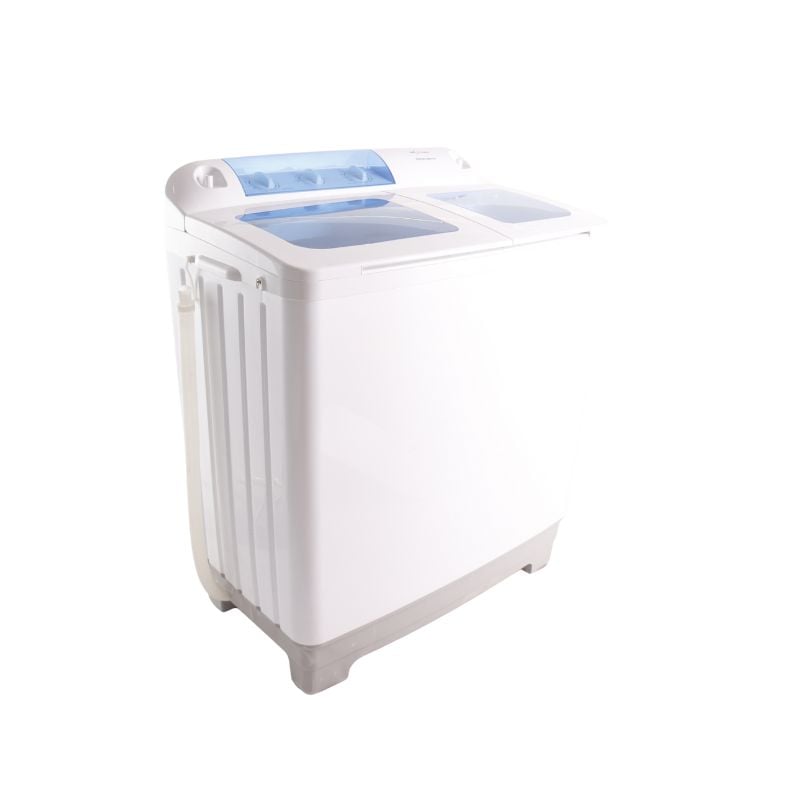
Modern households face increasing pressure to reduce energy consumption while maintaining appliance performance. Washing machines represent one of the largest energy draws in residential settings, making thoughtful engineering essential for sustainable home use. Manufacturers who also operate as a freezer oem bring a useful perspective to this challenge, since thermal control and operational efficiency have long been core priorities in that industry. This article explores how innovative washing machine designs are helping modern homes cut both energy and water consumption without sacrificing performance.
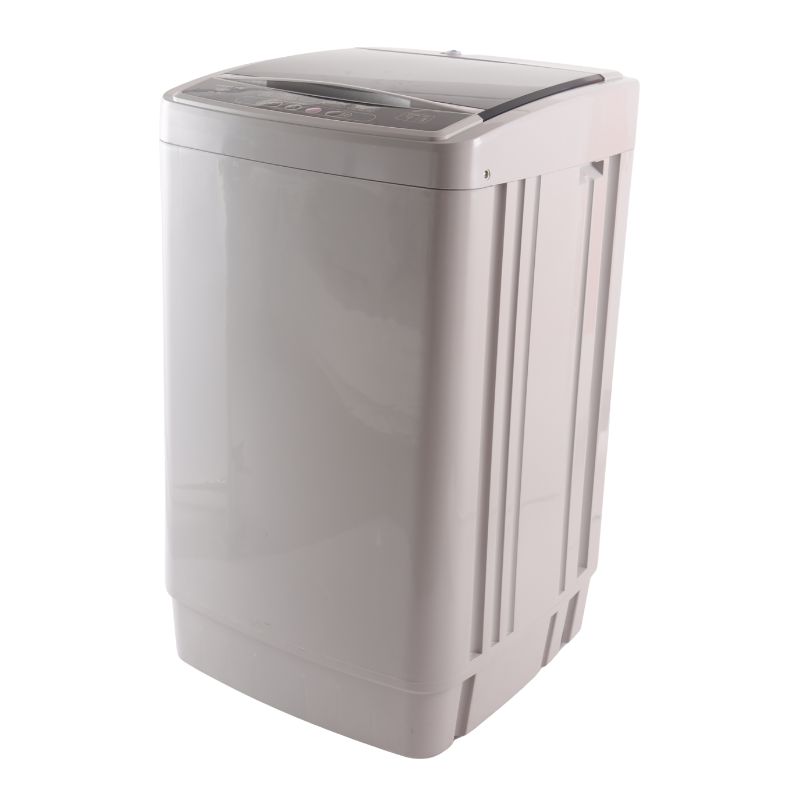
The evolution of washing machine technology increasingly reflects engineering standards borrowed from adjacent appliance categories. When a manufacturer's background as a freezer oem informs washer design, the result is often equipment that performs reliably while consuming minimal resources. Precision engineering, once refined for compressor-driven cooling systems, now shapes how modern washing machines manage water, heat, and motor load.
Understanding Energy-Efficient Washing Machine Innovation
Core Principles Behind Efficient Design
Efficient washing machine design starts with strict thermal control and precise operational tolerances. Manufacturers with freezer oem experience often apply the same discipline to washer components, reducing water heating requirements and unnecessary motor load. Every part—from drum mechanics to control systems—is engineered to operate at peak efficiency, and the material selection and manufacturing tolerances that minimize waste in cooling equipment translate well into washing machines that run more quietly, vibrate less, and last longer.
Integration of Advanced Sensor Technology
Innovative washing machines now incorporate sensor technology that continuously adjusts water temperature, cycle duration, and spin speed based on load weight and fabric type. This precision in managing energy consumption without sacrificing cleaning performance echoes the same sensor-driven logic long used in temperature-critical refrigeration equipment. Smart controls reduce energy waste during partial loads and automatically select optimal settings for different garment types.
Design Features That Drive Energy Efficiency
Drum Engineering and Water Management
Modern washing machines use specially designed drum perforations that require less water while maintaining superior cleaning action. Uniform hole patterns maximize water pressure distribution, and this precision directly reduces the total water and energy needed to heat that water per wash cycle. Variable water level detection allows washing machines to use only the necessary amount of water for each load, matching resource input to actual cleaning requirements rather than relying on fixed quantities—households running these washers typically see water bills decrease alongside energy costs.
Motor Efficiency and Automation Control
Direct-drive motors represent a significant advancement in washing machine design. Eliminating mechanical belts and pulleys reduces friction losses and improves overall system efficiency. Modern motors operate at variable speeds, using exactly the power needed for each wash stage, and inverter technology adjusts motor speed and power consumption in real time based on load conditions. This same emphasis on predictive maintenance—something a freezer oem would recognize from compressor diagnostics—now appears in washing machines equipped with systems that alert users to potential issues before failure occurs, extending appliance life and maintaining consistent energy performance.
Practical Benefits for Home Use and Decision Factors
Household Cost Savings and Environmental Impact
Energy-efficient washing machines typically reduce annual energy consumption by thirty to forty percent compared to standard models. For average households running five loads weekly, this efficiency translates to measurable savings on monthly utility bills. Beyond financial benefits, choosing a well-engineered washer reduces household carbon footprint and supports broader environmental sustainability goals. Most homeowners recover the premium cost of a high-quality machine within three to four years through energy and water savings.
Selection Criteria and Installation Considerations
When evaluating innovative washing machines for home use, look for energy ratings that confirm efficiency levels and check that specifications match your household load requirements and plumbing infrastructure. Machines with well-designed features integrate smoothly with most standard home installations without requiring expensive modifications. Consider your household's daily usage patterns and laundry volume when choosing between models with different capacity options, and note that some manufacturers sourcing components through an established freezer oem bring added supply-chain reliability and consistent build quality. Smart homes benefit from washers equipped with WiFi connectivity, allowing remote cycle monitoring and scheduling during off-peak energy hours.
FAQ
What makes a well-engineered washing machine design superior to conventional models?
Precision engineering, quality materials, and strict performance standards result in more reliable, efficient machines. Many of these standards trace back to decades of thermal and mechanical innovation pioneered in the freezer oem sector, reducing energy consumption while improving durability and cleaning effectiveness. These machines operate more quietly, require less maintenance, and maintain consistent performance throughout their operational life.
How much energy and water can I save with an innovative washing machine?
Households typically save between thirty and forty percent on energy costs by switching to efficient washing machines. Advanced sensor technology and drum engineering can also reduce water consumption by fifteen to twenty percent per cycle. Over a typical machine's ten-year lifespan, these efficiency advantages generate savings of several thousand dollars in combined utility costs.
Are energy-efficient washing machines difficult to install or maintain at home?
Energy-efficient washing machines are designed for straightforward installation using standard home plumbing connections. Reliable engineering means these machines require minimal maintenance beyond regular cleaning of drainage filters. Most models include comprehensive warranty coverage and require professional service only in rare circumstances, making ownership practical and economical for typical households.