EN

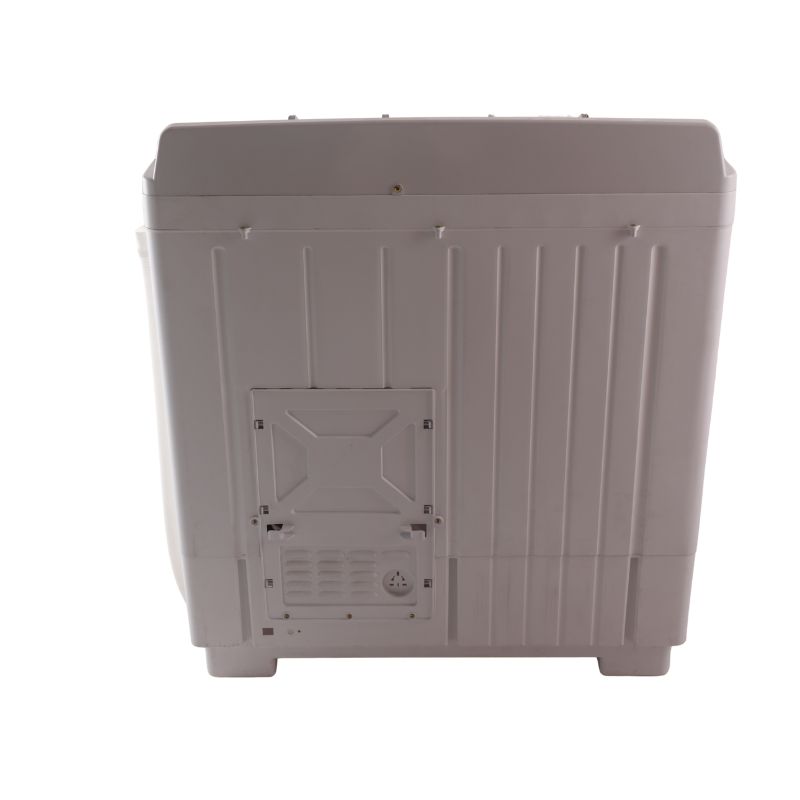
Modern households and commercial laundry operations face increasing pressure to reduce environmental impact while maintaining operational efficiency and controlling costs. Energy-saving washing machine manufacturers have become essential partners in this transition, providing advanced laundry equipment designed to reduce electricity consumption, water usage, and long-term operating expenses. The growing demand for eco-friendly laundry solutions reflects both environmental responsibility and a practical business strategy, helping commercial operators achieve sustainability goals while improving overall equipment efficiency.
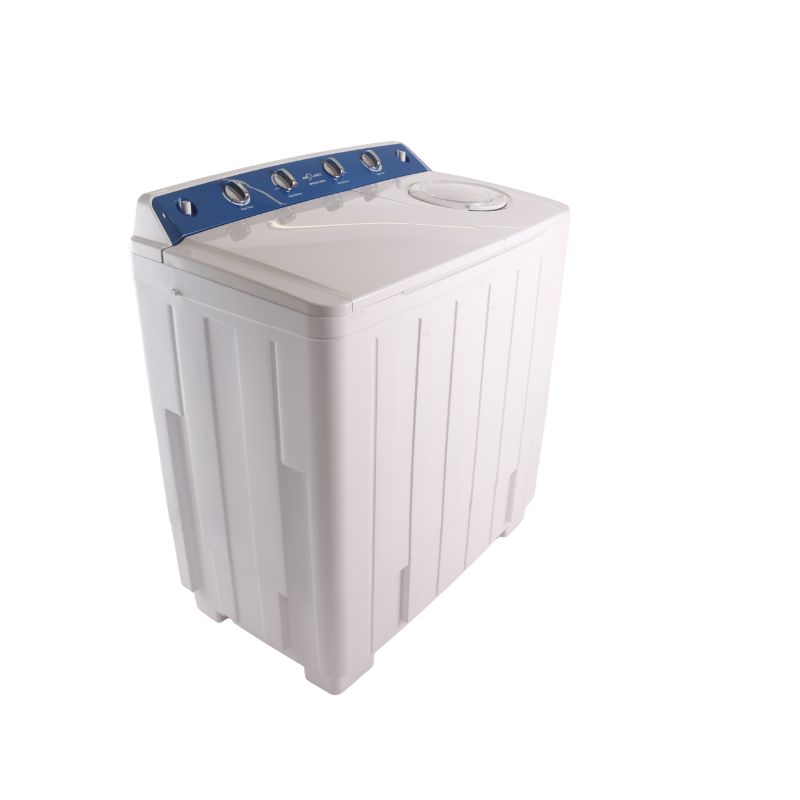
The market for energy-saving washing machine manufacturers continues to develop as innovative technologies make high-efficiency laundry equipment increasingly accessible to residential and commercial users. Leading manufacturers integrate intelligent sensors, inverter motors, optimized washing programs, and advanced water management systems into modern machines. Whether serving hotels, laundromats, apartment buildings, hospitals, or industrial facilities, choosing a reliable energy-saving washing machine manufacturer can help businesses maintain cleaning performance while reducing resource consumption and supporting sustainable operations.
Understanding Energy-Saving Washing Machine Manufacturer Innovations
Core Technology Behind Efficient Washing Systems
Energy-saving washing machine manufacturers utilize multiple technologies to improve washing efficiency while minimizing unnecessary resource consumption. Inverter-driven motors regulate operating speeds according to specific washing requirements, reducing electricity loss and improving motor durability. Optimized drum structures improve mechanical washing performance, while intelligent load-sensing systems automatically determine the appropriate water level according to the quantity and type of laundry being processed.
Modern energy-saving washing machine manufacturer models can also incorporate temperature management systems that adjust heating requirements according to different washing programs. Instead of maintaining unnecessarily high temperatures throughout the entire cycle, the machine precisely controls heating levels to reduce energy consumption while maintaining effective cleaning performance. These technologies allow eco-friendly laundry solutions to deliver consistent washing results with significantly lower resource requirements.
Advanced water management systems developed by energy-saving washing machine manufacturers further improve overall efficiency. Intelligent water-level detection prevents excessive water usage, while optimized rinsing programs reduce the number of rinse cycles required for effective detergent removal. Similar to how a professional freezer supplier focuses on insulation, temperature management, and energy efficiency to reduce operating costs, modern washing machine manufacturers apply intelligent engineering principles throughout the equipment design to maximize resource efficiency.
Environmental Impact and Sustainability Metrics
Energy-saving washing machine manufacturers evaluate sustainability through measurable indicators such as water consumption per wash cycle, electricity consumption per load, operating efficiency, and potential carbon emission reductions. High-efficiency laundry equipment can significantly reduce resource consumption compared with conventional washing machines, particularly in commercial environments where multiple machines operate continuously throughout the day. Over time, these reductions can produce substantial environmental and financial benefits.
Leading energy-saving washing machine manufacturers increasingly focus on environmentally responsible materials, efficient motors, optimized water systems, and longer equipment lifespans. Durable components reduce replacement frequency and help minimize equipment-related waste. Businesses evaluating eco-friendly laundry solutions should consider not only the energy rating of individual machines but also the complete lifecycle of the equipment, including manufacturing quality, maintenance requirements, expected service life, and end-of-life considerations.
Selecting the Right Energy-Saving Washing Machine Manufacturer
Evaluating Specifications and Performance Claims
When comparing energy-saving washing machine manufacturers, buyers should begin by identifying the specific requirements of their laundry operation. Commercial facilities with high daily laundry volumes may require larger-capacity machines, shorter cycle times, higher spin speeds, and specialized washing programs. Residential or smaller commercial operations may prioritize compact dimensions, flexible washing modes, and lower electricity consumption.
Important specifications include washing capacity, water consumption, energy consumption per cycle, spin speed, cycle duration, motor technology, and available washing programs. Energy-saving washing machine manufacturers should provide clear technical documentation that allows buyers to compare different models according to actual operating requirements. Selecting equipment based solely on purchase price can lead to higher long-term costs if the machine consumes excessive water or electricity.
Reliable energy-saving washing machine manufacturers should also provide transparent performance information and technical support. Buyers should request verified efficiency data, installation specifications, maintenance requirements, and warranty terms before making purchasing decisions. Manufacturers capable of providing detailed technical documentation demonstrate greater confidence in their eco-friendly laundry solutions and make it easier for commercial buyers to evaluate long-term performance.
Total Cost of Ownership Analysis
Although energy-efficient washing machines may have a higher initial purchase price than basic conventional models, total cost of ownership can be significantly lower because of reduced water, electricity, detergent, and maintenance expenses. Businesses should evaluate equipment according to its complete operating lifecycle rather than focusing exclusively on the initial acquisition cost. Energy-saving washing machine manufacturers can help customers estimate potential savings according to washing frequency, load capacity, utility rates, and operating hours.
For high-volume commercial laundry facilities, even a small reduction in energy consumption per cycle can create substantial annual savings. Hotels, hospitals, laundromats, and industrial facilities may operate washing equipment hundreds or thousands of times each month, making efficiency improvements particularly valuable. A properly selected machine from an experienced energy-saving washing machine manufacturer can therefore provide measurable financial benefits while supporting environmental objectives.
Government incentives, energy-efficiency programs, and utility rebates may also reduce the effective purchase cost of qualifying equipment in certain markets. Buyers should investigate available programs before purchasing new machinery. Working directly with an experienced energy-saving washing machine manufacturer can also help businesses understand product certifications, efficiency standards, and documentation requirements associated with incentive programs.
Implementation Strategies for Eco-Friendly Laundry Solutions
Installation and Integration Considerations
Energy-saving washing machine manufacturers typically design modern equipment to integrate with existing commercial laundry infrastructure, but installation requirements vary according to machine capacity and configuration. Proper electrical connections, water supply, drainage systems, ventilation, and floor requirements should be evaluated before installation. Correct installation ensures that eco-friendly laundry solutions operate efficiently and helps prevent unnecessary water or energy losses.
Professional installation is particularly important for large commercial washing machines. Energy-saving washing machine manufacturers often provide installation manuals and technical guidance covering utility connections, machine positioning, drainage arrangements, and operating conditions. Proper installation can improve equipment stability, reduce vibration, protect internal components, and help maintain the manufacturer's expected efficiency levels throughout the machine's service life.
Facility layout should also be considered when introducing energy-saving washing machine manufacturers' equipment. Machines should be positioned to provide adequate operating clearance and convenient access for maintenance. Efficient placement can reduce unnecessary plumbing and electrical installation costs while improving workflow efficiency within commercial laundry facilities.
Operational Best Practices and Maintenance
Proper operation plays an important role in maximizing the benefits of equipment supplied by energy-saving washing machine manufacturers. Staff should understand correct loading procedures, washing program selection, detergent dosage, and temperature settings. Overloading machines can reduce cleaning performance and increase mechanical stress, while underloading can waste water and electricity. Using the appropriate cycle for each laundry type helps ensure that eco-friendly laundry solutions achieve their intended efficiency.
Regular maintenance is equally important. Energy-saving washing machine manufacturers generally recommend periodic inspection of filters, drainage systems, water connections, drum components, and motor systems. Removing mineral buildup and accumulated debris can help maintain water flow and washing performance. Preventive maintenance also reduces the likelihood of unexpected breakdowns and expensive operational downtime.
Businesses should maintain detailed maintenance records and follow the service intervals recommended by their energy-saving washing machine manufacturer. Timely replacement of worn components helps preserve equipment efficiency and extends operating life. Similar to commercial refrigeration equipment where a reliable freezer supplier emphasizes routine inspection and temperature management, professional laundry equipment also requires consistent maintenance to maintain its designed performance.
FAQ
What makes an energy-saving washing machine manufacturer different from conventional equipment producers?
Energy-saving washing machine manufacturers focus on reducing electricity and water consumption through technologies such as inverter motors, intelligent load sensing, optimized drum structures, temperature control, and efficient washing programs. Conventional equipment may prioritize lower initial costs without incorporating the same level of resource-management technology. Energy-saving washing machine manufacturers generally consider efficiency throughout the machine's design rather than treating it as an additional feature.
How much can businesses save by using energy-saving washing machine manufacturers' equipment?
Actual savings depend on machine capacity, operating frequency, water and electricity prices, washing programs, and existing equipment efficiency. High-volume commercial laundry operations can achieve particularly meaningful savings because their machines operate frequently. Businesses should compare current utility consumption with the manufacturer's verified energy and water consumption data to estimate potential payback periods and long-term operating savings.
Are eco-friendly laundry solutions suitable for commercial laundry operations?
Yes. Eco-friendly laundry solutions can be designed specifically for hotels, laundromats, hospitals, apartment complexes, industrial facilities, and other high-volume applications. Energy-saving washing machine manufacturers offer different capacities, washing programs, motor configurations, and control systems to accommodate various commercial requirements. Selecting the correct machine according to laundry volume and application is essential for achieving both efficiency and cleaning performance.
How should businesses choose a reliable energy-saving washing machine manufacturer?
Businesses should evaluate manufacturing experience, product specifications, energy-efficiency data, certifications, production capacity, customization capabilities, warranty policies, and after-sales service. Buyers should also review actual water and electricity consumption rather than relying solely on general marketing claims. A reliable energy-saving washing machine manufacturer should provide transparent technical information and responsive support throughout equipment selection, installation, operation, and maintenance.