EN
EN

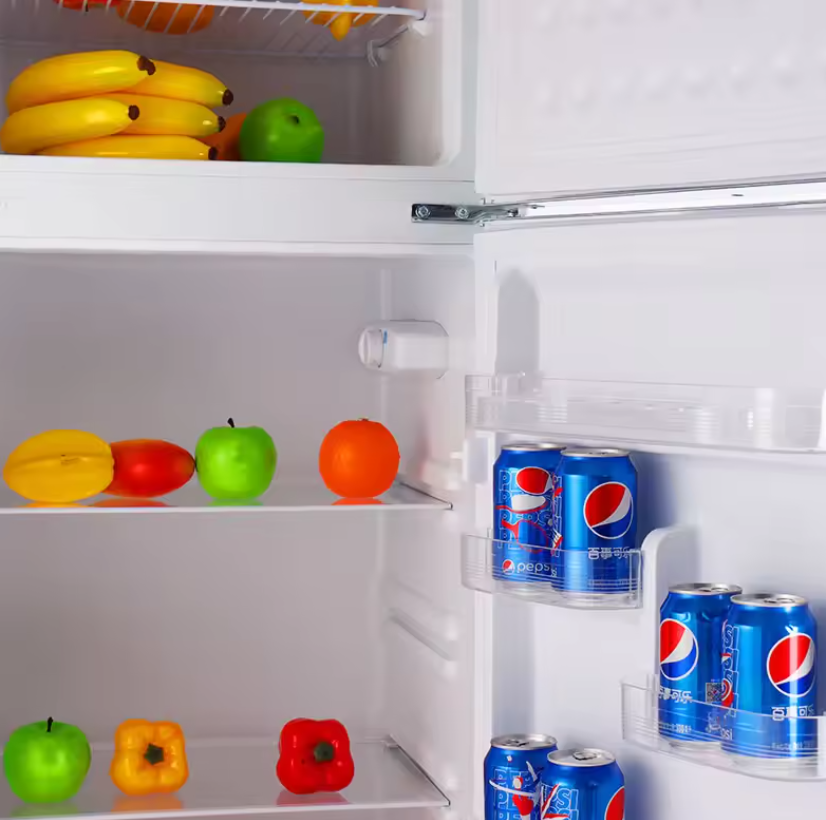
When businesses require specialized refrigeration solutions tailored to their unique specifications, partnering with an experienced refrigerator manufacturer becomes essential. Custom refrigerator solutions through Original Equipment Manufacturing (OEM) and Original Design Manufacturing (ODM) services enable companies to create products that perfectly align with their brand identity, market requirements, and operational needs. These specialized manufacturing partnerships provide the flexibility to develop refrigeration equipment that standard off-the-shelf products simply cannot deliver.
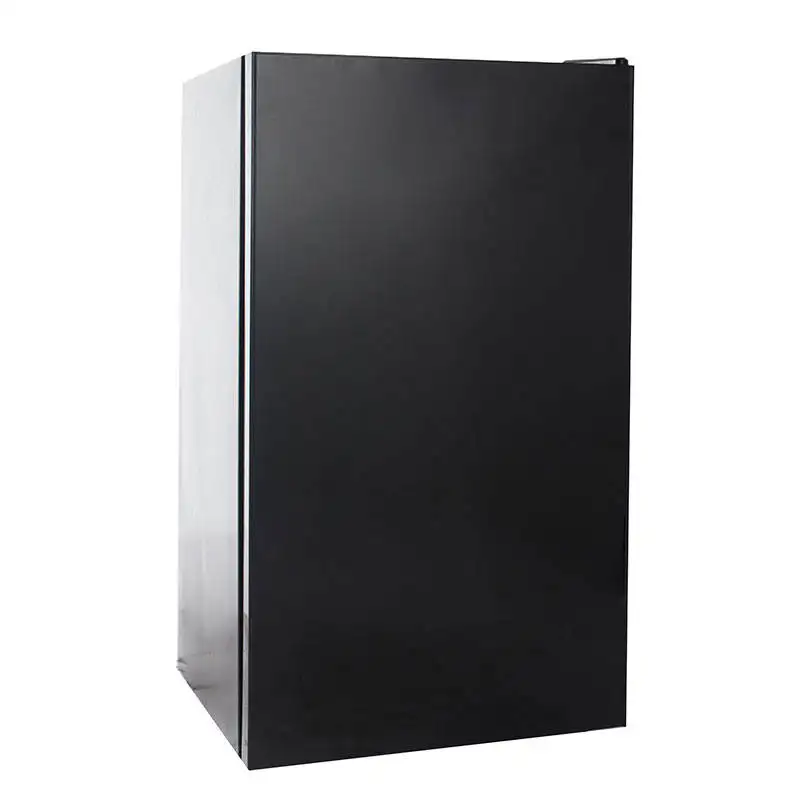
Factory-direct custom refrigerator manufacturing represents a strategic approach to product development that eliminates intermediaries while ensuring complete control over quality, specifications, and production timelines. Through comprehensive OEM and ODM services, businesses can leverage the expertise of established manufacturing facilities to bring their refrigeration concepts to market efficiently. This collaborative manufacturing model has become increasingly vital as industries demand more specialized cooling solutions for applications ranging from commercial hospitality to specialized medical storage requirements.
Understanding OEM Refrigerator Manufacturing Services
Core Components of OEM Service Offerings
Original Equipment Manufacturing services in the refrigeration industry involve producing refrigerators according to client-provided specifications and designs. A qualified refrigerator manufacturer operating under OEM arrangements typically handles the complete production process while maintaining the client's brand identity and technical requirements. This service model allows businesses to focus on their core competencies while leveraging specialized manufacturing expertise for their refrigeration products.
The OEM process begins with detailed specification review, where the refrigerator manufacturer evaluates technical drawings, performance requirements, and quality standards. Manufacturing facilities equipped for OEM services maintain flexible production lines capable of accommodating various size configurations, cooling technologies, and aesthetic designs. Quality control protocols ensure that finished products meet or exceed specified performance parameters while maintaining consistent manufacturing standards.
Professional OEM refrigerator manufacturing encompasses material sourcing, component assembly, testing procedures, and packaging services. The manufacturer assumes responsibility for supply chain management, ensuring that all components meet specified quality grades while maintaining cost-effectiveness. This comprehensive approach enables clients to receive fully finished products ready for market distribution without maintaining extensive manufacturing infrastructure.
Technical Capabilities and Manufacturing Flexibility
Modern refrigerator manufacturer facilities offering OEM services maintain advanced production capabilities supporting diverse refrigeration technologies. Manufacturing lines accommodate various cooling systems including direct cooling, frost-free technologies, and specialized temperature control mechanisms. This technical versatility enables production of compact mini-refrigerators, commercial-grade units, and specialized cooling equipment according to client specifications.
Production flexibility extends to aesthetic customization, allowing clients to specify exterior finishes, interior configurations, and control panel designs. The manufacturing facility coordinates between design requirements and production capabilities, ensuring that custom specifications remain feasible within established quality and cost parameters. This balance between customization and manufacturing efficiency represents a critical advantage of professional OEM services.
Quality assurance protocols integral to OEM manufacturing include comprehensive testing procedures for temperature stability, energy efficiency, and durability standards. Each production batch undergoes systematic evaluation to verify compliance with specified performance criteria. The refrigerator manufacturer maintains detailed production records enabling traceability and quality verification throughout the manufacturing process.
ODM Services for Complete Product Development
Comprehensive Design and Development Support
Original Design Manufacturing services provide complete product development solutions for clients seeking custom refrigeration equipment without existing designs. Unlike OEM services that work from client specifications, ODM arrangements involve the refrigerator manufacturer contributing design expertise, engineering knowledge, and market insights to develop optimal refrigeration solutions. This collaborative approach enables businesses to access professional product development resources without maintaining in-house engineering teams.
The ODM process typically begins with market analysis and application assessment, where the manufacturing team evaluates intended use cases, target markets, and performance requirements. Design engineers develop multiple concept proposals incorporating current refrigeration technologies, energy efficiency standards, and aesthetic trends. This comprehensive development approach ensures that resulting products align with both functional requirements and market expectations.
Professional ODM services include prototype development, enabling clients to evaluate design concepts before committing to full production. The refrigerator manufacturer creates functional prototypes incorporating proposed specifications, allowing for testing and refinement before finalizing production parameters. This iterative development process reduces risks while ensuring optimal product performance and market suitability.
Market-Driven Innovation and Technology Integration
ODM refrigerator manufacturing leverages industry expertise to incorporate emerging technologies and market trends into product designs. Manufacturing teams monitor refrigeration technology developments, energy efficiency regulations, and consumer preferences to inform design decisions. This market awareness enables creation of products that meet current requirements while anticipating future market directions.
Technology integration within ODM services encompasses advanced cooling systems, smart connectivity features, and energy management capabilities. The refrigerator manufacturer evaluates emerging technologies for feasibility, cost-effectiveness, and market acceptance before incorporating them into product designs. This systematic approach to innovation ensures that new products offer genuine value improvements while maintaining manufacturing efficiency.
Design optimization within ODM services focuses on balancing performance requirements with manufacturing costs and market pricing expectations. Engineering teams evaluate multiple design alternatives to identify configurations offering optimal performance-to-cost ratios. This analytical approach enables development of competitive products that meet quality standards while remaining commercially viable in target markets.
Factory Advantages in Custom Refrigerator Manufacturing
Production Efficiency and Scale Benefits
Factory-direct custom refrigerator manufacturing offers significant advantages in production efficiency, cost management, and quality control. Established manufacturing facilities maintain specialized equipment, trained workforce, and streamlined processes optimized for refrigeration equipment production. These operational advantages translate into more efficient custom manufacturing capabilities compared to general-purpose manufacturing facilities.
Scale benefits inherent to dedicated refrigerator manufacturer operations include volume purchasing power for components, specialized tooling investments, and optimized production workflows. These advantages enable competitive pricing for custom products while maintaining quality standards. Factory operations can absorb development costs across larger production volumes, making custom solutions more economically viable for clients.
Production scheduling flexibility represents another key factory advantage, enabling accommodation of varying order quantities and delivery timelines. Established manufacturing facilities maintain buffer capacity and flexible staffing arrangements supporting both large production runs and smaller custom orders. This operational flexibility ensures reliable delivery performance regardless of order complexity or volume requirements.
Quality Control and Manufacturing Standards
Professional refrigerator manufacturer facilities implement comprehensive quality management systems ensuring consistent product quality across all production runs. Quality control protocols encompass incoming material inspection, in-process monitoring, and finished product testing procedures. These systematic approaches minimize quality variations while ensuring compliance with relevant industry standards and client specifications.
Manufacturing standards maintained by established facilities include ISO quality certifications, environmental compliance protocols, and safety management systems. These systematic approaches ensure that custom refrigerator production meets international quality standards while supporting sustainable manufacturing practices. Compliance with established standards provides clients with confidence in product quality and regulatory compliance.
Continuous improvement processes integral to professional manufacturing operations focus on enhancing efficiency, quality, and customer satisfaction. The refrigerator manufacturer regularly evaluates production processes, identifying opportunities for improvement in quality, cost, and delivery performance. These ongoing optimization efforts ensure that custom manufacturing capabilities continue evolving to meet changing market requirements.
Application Scenarios for Custom Refrigerator Solutions
Commercial and Hospitality Industry Requirements
Commercial applications for custom refrigerator solutions span diverse industry segments requiring specialized cooling capabilities. Hospitality businesses often require refrigeration equipment with specific size constraints, aesthetic requirements, and performance characteristics that standard products cannot accommodate. Hotel mini-bars, restaurant display coolers, and commercial beverage storage represent common applications where custom solutions provide optimal functionality.
The foodservice industry frequently requires refrigeration equipment designed for specific operational requirements, including specialized temperature zones, custom interior configurations, and integrated control systems. A qualified refrigerator manufacturer can develop solutions addressing unique spatial constraints, workflow requirements, and food safety protocols specific to individual establishments. These customized approaches ensure optimal operational efficiency while maintaining required food safety standards.
Retail applications for custom refrigeration equipment include specialized display coolers, point-of-sale refrigeration units, and integrated cooling systems designed for specific merchandise types. Custom solutions enable retailers to optimize product presentation while maintaining required temperature control and energy efficiency standards. The manufacturing flexibility of professional facilities enables creation of refrigeration equipment perfectly suited to specific retail environments and merchandise requirements.
Specialized Industrial and Medical Applications
Industrial applications for custom refrigerator solutions include laboratory equipment, pharmaceutical storage, and specialized cooling systems for manufacturing processes. These applications often require precise temperature control, specialized interior materials, and compliance with strict regulatory standards. Professional refrigerator manufacturer capabilities enable development of equipment meeting specialized performance requirements while maintaining reliability and compliance standards.
Medical and pharmaceutical applications demand refrigeration equipment capable of maintaining precise temperature ranges with minimal variation. Custom solutions for vaccine storage, blood bank applications, and laboratory sample preservation require specialized monitoring systems, backup power capabilities, and documentation features. Manufacturing facilities experienced in medical equipment production understand these specialized requirements and can develop appropriate solutions.
Research and development applications often require refrigeration equipment with unique specifications for temperature ranges, interior configurations, and monitoring capabilities. Custom manufacturing enables development of specialized cooling equipment supporting specific research protocols while maintaining necessary safety and compliance standards. The flexibility of professional manufacturing facilities ensures that unique research requirements can be accommodated within practical manufacturing constraints.
Selecting the Right Manufacturing Partner
Evaluating Manufacturing Capabilities and Experience
Selecting an appropriate refrigerator manufacturer for custom solutions requires careful evaluation of manufacturing capabilities, quality standards, and industry experience. Potential manufacturing partners should demonstrate comprehensive technical capabilities including design engineering, prototype development, and full-scale production management. Experience with similar custom projects provides valuable insights into potential challenges and optimal solutions for specific applications.
Manufacturing facility assessment should include evaluation of production equipment, quality control systems, and workforce capabilities. Modern refrigeration manufacturing requires specialized equipment for component assembly, refrigerant handling, and performance testing. The manufacturing facility should maintain current certifications and comply with relevant industry standards for safety, quality, and environmental responsibility.
Communication capabilities represent another critical selection factor, as custom manufacturing projects require ongoing coordination between client requirements and manufacturing capabilities. The refrigerator manufacturer should provide clear project management protocols, regular progress updates, and responsive technical support throughout the development and production process. Effective communication ensures that project requirements are accurately understood and implemented.
Cost Considerations and Project Timeline Management
Custom refrigerator manufacturing involves various cost components including design development, tooling requirements, material costs, and production labor. Professional manufacturing partners provide detailed cost breakdowns enabling clients to understand pricing structures and make informed decisions about specification trade-offs. Transparent pricing approaches facilitate budget planning while ensuring that final costs align with initial expectations.
Project timeline management requires coordination between design development, prototype creation, testing procedures, and full production schedules. Experienced refrigerator manufacturer operations maintain realistic scheduling protocols accounting for potential challenges and revision requirements. Clear timeline communication enables clients to plan product launches and market entry strategies effectively.
Long-term partnership considerations include ongoing support capabilities, production scalability, and quality consistency over multiple production runs. Establishing relationships with reliable manufacturing partners enables businesses to develop product lines and expand market presence with confidence in manufacturing support. The refrigerator manufacturer should demonstrate commitment to long-term collaboration and continuous improvement in service delivery.
FAQ
What is the typical minimum order quantity for custom refrigerator manufacturing?
Minimum order quantities for custom refrigerator manufacturing vary significantly based on the complexity of customization and manufacturing facility capabilities. Most professional refrigerator manufacturer facilities require minimum orders ranging from 50 to 500 units for fully custom designs, while simpler modifications may have lower minimums. The specific quantity depends on tooling requirements, component sourcing constraints, and production efficiency considerations.
How long does the development process take for ODM refrigerator projects?
ODM refrigerator development timelines typically range from 3 to 8 months depending on design complexity and testing requirements. The process includes initial consultation, design development, prototype creation, testing and refinement, and production preparation phases. Complex projects requiring extensive testing or specialized certifications may require additional development time, while simpler modifications can be completed more quickly.
What certifications should I expect from a professional refrigerator manufacturer?
Professional refrigerator manufacturer facilities should maintain relevant quality certifications such as ISO 9001 for quality management and ISO 14001 for environmental management. Additionally, product certifications may include energy efficiency standards, electrical safety certifications, and refrigerant handling compliance. The specific certifications required depend on target markets and application requirements for the custom refrigeration equipment.
Can custom refrigerator solutions accommodate specific energy efficiency requirements?
Yes, experienced refrigerator manufacturer facilities can develop custom solutions meeting specific energy efficiency targets through optimized component selection, advanced insulation materials, and efficient cooling system designs. Energy efficiency optimization involves balancing performance requirements with power consumption targets while maintaining cost-effectiveness. Professional manufacturing partners can provide energy consumption projections and certification support for efficiency standards compliance.
Table of Contents
- Understanding OEM Refrigerator Manufacturing Services
- ODM Services for Complete Product Development
- Factory Advantages in Custom Refrigerator Manufacturing
- Application Scenarios for Custom Refrigerator Solutions
- Selecting the Right Manufacturing Partner
-
FAQ
- What is the typical minimum order quantity for custom refrigerator manufacturing?
- How long does the development process take for ODM refrigerator projects?
- What certifications should I expect from a professional refrigerator manufacturer?
- Can custom refrigerator solutions accommodate specific energy efficiency requirements?