EN
EN

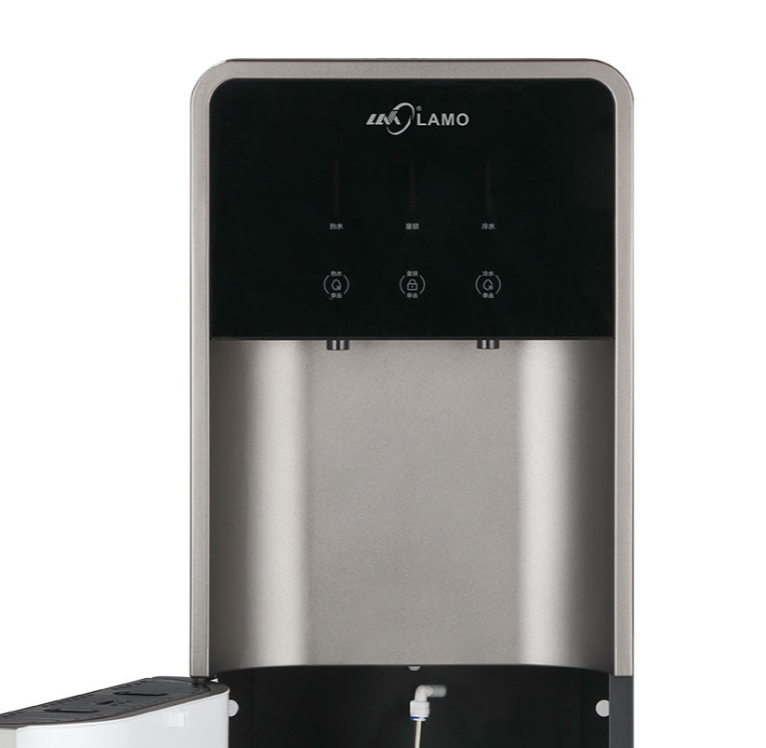
When considering office or home hydration solutions, the choice between bottled and bottleless water dispensers has become increasingly important for budget-conscious consumers and businesses. A bottleless water dispenser offers significant long-term savings compared to traditional bottled water systems, making it an attractive investment for those looking to reduce ongoing operational costs. Understanding the financial implications, maintenance requirements, and overall value proposition of each system helps determine which option delivers better savings over time.
Initial Investment and Setup Costs
Upfront Equipment Expenses
The initial cost structure differs significantly between bottled and bottleless water systems. Traditional bottled water dispensers typically require minimal upfront investment, often available through rental programs or low-cost purchases ranging from fifty to two hundred dollars. However, a bottleless water dispenser generally requires a higher initial investment, typically between three hundred to fifteen hundred dollars depending on filtration technology and features.
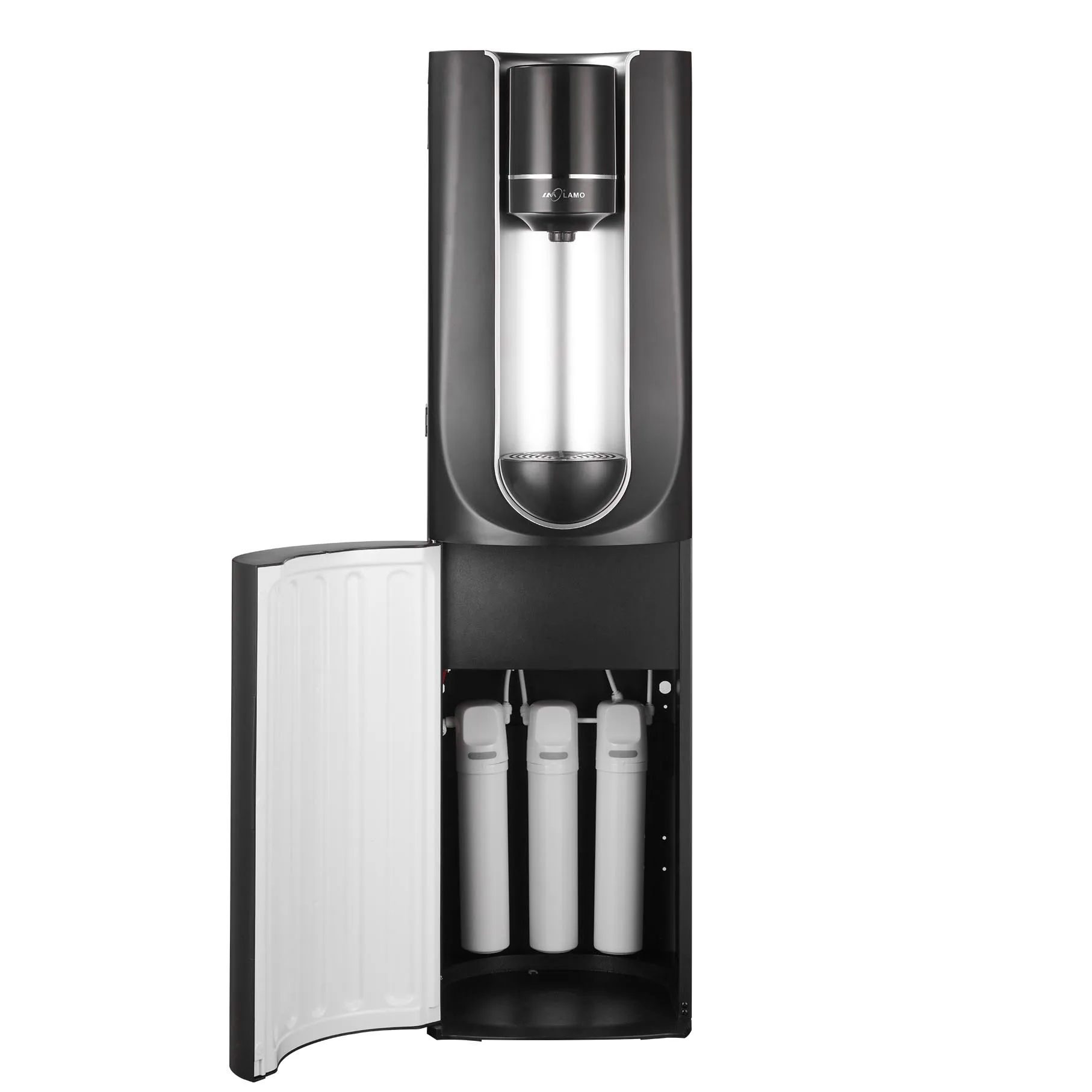
This higher upfront cost for bottleless systems includes advanced filtration components, direct water line connections, and sophisticated purification technology. While the initial expense appears substantial, this investment pays dividends through eliminated bottle delivery fees, reduced storage requirements, and consistent water quality without ongoing bottle purchases.
Installation and Connection Requirements
Installation complexity varies between systems, affecting overall setup costs. Bottled water dispensers require minimal installation, typically involving simple placement and electrical connection. A bottleless water dispenser requires professional installation including water line connections, electrical setup, and initial system calibration, potentially adding one hundred to three hundred dollars to initial costs.
Despite higher installation costs, the bottleless water dispenser eliminates ongoing delivery scheduling, storage space allocation, and bottle handling logistics that create hidden operational expenses in bottled systems. Professional installation ensures optimal performance and warranty compliance, protecting the long-term investment value.
Ongoing Operational Expenses
Monthly Water and Delivery Costs
Monthly operational expenses represent the most significant cost difference between systems. Bottled water services typically charge twenty to fifty dollars monthly for standard office usage, including bottle delivery, storage, and dispenser maintenance. These costs escalate with increased consumption, seasonal demand fluctuations, and premium water options.
A bottleless water dispenser operates on municipal water supply, resulting in minimal monthly water costs typically under ten dollars for equivalent consumption. This dramatic reduction in monthly expenses allows the higher initial investment to be recovered within twelve to eighteen months for most users, creating substantial long-term savings.
Filter Replacement and Maintenance
Maintenance requirements differ substantially between systems, impacting ongoing cost calculations. Bottled water dispensers require periodic cleaning and sanitization, often included in service contracts but adding to monthly fees. Equipment malfunctions typically result in service calls or dispenser replacement through rental agreements.
The bottleless water dispenser requires regular filter replacements every six to twelve months, costing fifty to one hundred fifty dollars annually depending on filtration complexity and water quality. Routine maintenance includes sanitization and component inspection, often performed by users or through optional service contracts. These predictable maintenance costs remain significantly lower than ongoing bottle service fees.
Hidden Costs and Efficiency Factors
Storage and Space Requirements
Storage costs represent often-overlooked expenses in bottled water systems. Offices and homes require dedicated space for bottle storage, backup inventory, and empty bottle collection. This space allocation has real estate value, particularly in commercial environments where square footage carries monthly costs.
A bottleless water dispenser eliminates storage requirements entirely, freeing valuable space for productive use. The compact footprint and direct water connection eliminate inventory management, delivery coordination, and storage area cleaning requirements. This efficiency translates to reduced labor costs and improved space utilization.
Environmental Impact and Disposal Costs
Environmental considerations increasingly influence purchasing decisions, with potential cost implications. Bottled water systems generate plastic waste requiring disposal or recycling, potentially incurring waste management fees in commercial settings. Transportation emissions from regular delivery services add indirect environmental costs.
The bottleless water dispenser produces minimal waste limited to periodic filter replacements, significantly reducing environmental impact and associated disposal costs. Reduced delivery truck traffic eliminates carbon footprint concerns while supporting sustainability initiatives that may qualify for tax incentives or green building certifications.
Long-Term Financial Analysis
Break-Even Point Calculations
Financial analysis reveals clear break-even points favoring bottleless systems for most usage scenarios. Typical office environments consuming moderate to high water volumes reach break-even within twelve to twenty-four months, after which the bottleless water dispenser generates substantial monthly savings.
Five-year cost projections consistently show bottleless systems saving thousands of dollars compared to bottled alternatives. Higher consumption environments like large offices, schools, or healthcare facilities experience even more dramatic savings, with break-even periods shortened to six to twelve months due to volume discounts and elimination of delivery logistics.
Total Cost of Ownership
Total cost of ownership calculations must include all direct and indirect expenses over typical equipment lifespans. Bottled water systems accumulate continuous monthly fees, periodic equipment replacement, and inflation-adjusted price increases over time. Five to ten year totals often exceed ten thousand dollars for moderate usage environments.
A bottleless water dispenser typically operates effectively for eight to fifteen years with proper maintenance, spreading initial investment costs across extended periods. Total ownership costs including equipment, installation, maintenance, and filters generally remain under half the equivalent bottled system expenses over comparable timeframes.
Quality and Performance Considerations
Water Quality Consistency
Water quality consistency affects both satisfaction and potential health-related costs. Bottled water quality varies between suppliers, delivery batches, and storage conditions, potentially creating inconsistent taste and purity levels. Temperature maintenance during storage and delivery can compromise quality standards.
The bottleless water dispenser provides consistent quality through multi-stage filtration systems that remove contaminants, improve taste, and maintain optimal temperature control. Advanced filtration technology ensures reliable quality standards regardless of source water variations, eliminating concerns about supplier reliability or storage-related degradation.
Convenience and Productivity Benefits
Convenience factors translate to productivity benefits with measurable cost implications. Bottled water systems require coordination for delivery scheduling, inventory monitoring, and empty bottle management. These administrative tasks consume employee time and attention, representing hidden labor costs.
A bottleless water dispenser eliminates administrative burden, inventory management, and supply chain coordination. Continuous water availability without interruption prevents productivity losses during delivery delays or supply shortages. This operational efficiency creates value beyond direct cost savings through improved workflow and reduced management overhead.
FAQ
How long does it take for a bottleless water dispenser to pay for itself
Most bottleless water dispensers pay for themselves within 12 to 24 months depending on usage volume and local water delivery costs. High-usage environments like offices with 20 or more employees typically reach break-even in under 12 months due to significant monthly savings compared to bottled water service fees.
What are the main maintenance costs for bottleless water dispensers
Annual maintenance costs for bottleless water dispensers typically range from 100 to 250 dollars, primarily for filter replacements every 6-12 months. Additional costs may include periodic sanitization supplies and occasional professional servicing, but these remain significantly lower than monthly bottled water service fees.
Can bottleless water dispensers work in areas with poor water quality
Yes, bottleless water dispensers with advanced filtration systems including reverse osmosis can effectively treat poor quality source water. While initial investment may be higher for sophisticated filtration technology, the system still provides substantial long-term savings compared to bottled water while ensuring consistent quality output.
Are there any hidden costs with bottleless water dispenser ownership
The main ongoing costs are filter replacements and electricity usage, typically adding 15-25 dollars monthly to operating expenses. These predictable costs remain far below bottled water service fees, and most systems include warranty coverage for equipment repairs during initial years of ownership.