EN
EN
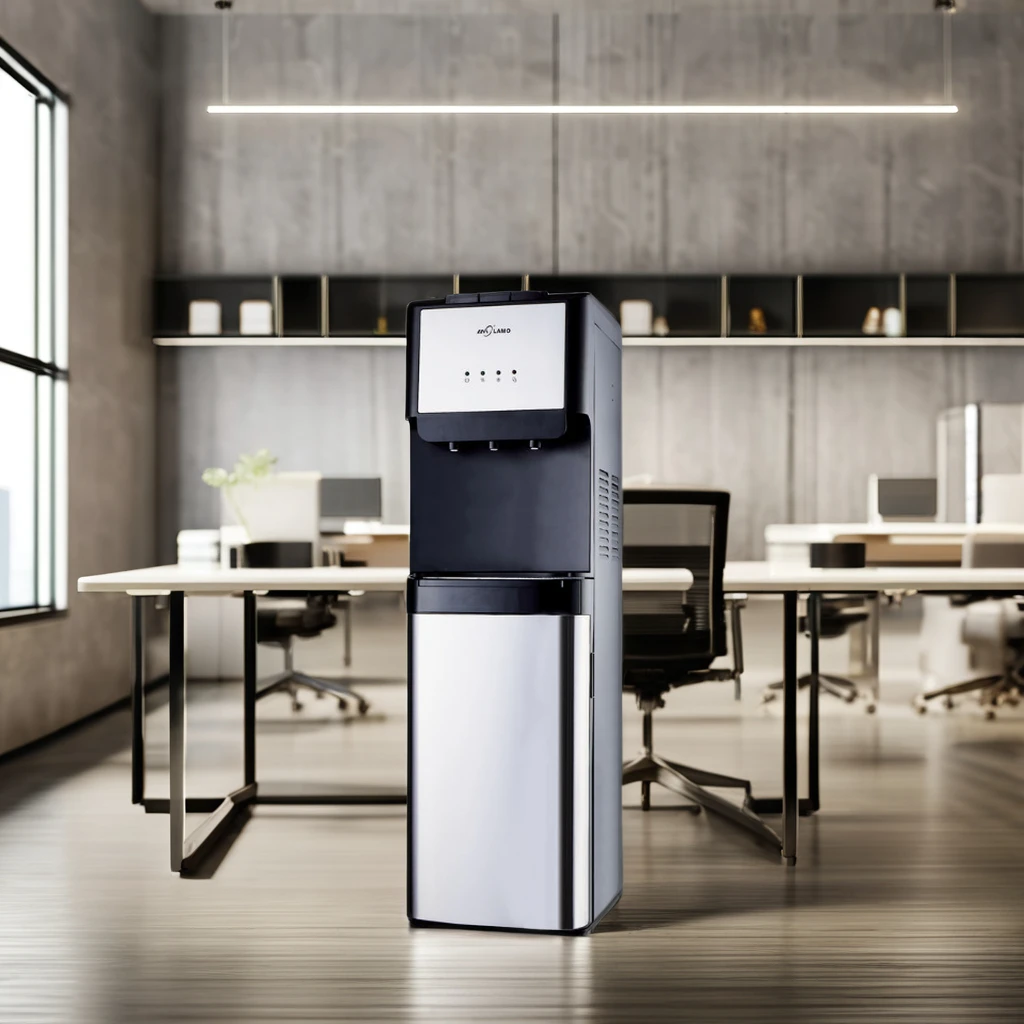
Modern manufacturing excellence defines every aspect of our water dispenser factory operations, where cutting-edge technology meets precision engineering to deliver superior hydration solutions. Our state-of-the-art facility represents the pinnacle of industrial innovation in the water treatment equipment sector, combining automated production systems with rigorous quality control protocols. The integration of advanced manufacturing processes ensures that every unit produced meets international standards while maintaining cost-effective production scales. Our water dispenser factory serves as a testament to how traditional manufacturing can evolve through strategic implementation of Industry 4.0 principles and sustainable production practices.
Manufacturing Infrastructure and Technology Integration
Advanced Production Line Configuration
The backbone of our water dispenser factory lies in its sophisticated production line architecture, featuring automated assembly stations that ensure consistent quality output across all product variations. Each manufacturing cell incorporates precision robotics for component handling, reducing human error while increasing throughput efficiency by approximately forty percent compared to traditional manual assembly methods. The production floor spans over fifteen thousand square meters, housing specialized equipment for metal fabrication, plastic injection molding, and electronic component integration. Temperature-controlled environments maintain optimal conditions for sensitive manufacturing processes, ensuring that critical components meet exact specifications throughout the production cycle.
Quality monitoring systems integrated throughout the production line provide real-time feedback on manufacturing parameters, enabling immediate adjustments to maintain product consistency. Advanced sensor networks continuously track temperature, pressure, and dimensional tolerances across all production stages, creating a comprehensive data ecosystem that drives continuous improvement initiatives. The modular design of our manufacturing systems allows for rapid reconfiguration to accommodate different product specifications without significant downtime. Investment in cutting-edge machinery has positioned our water dispenser factory as a leader in manufacturing efficiency within the hydration equipment industry.
Automation and Digital Manufacturing Systems
Digital transformation initiatives have revolutionized operational efficiency within our water dispenser factory, implementing Internet of Things sensors that provide comprehensive visibility into every aspect of the manufacturing process. Machine learning algorithms analyze production data to predict maintenance requirements, reducing unplanned downtime by sixty-five percent while optimizing equipment utilization rates. Automated guided vehicles transport materials between production stations, eliminating manual handling bottlenecks and ensuring consistent material flow throughout the facility. The integration of enterprise resource planning systems with manufacturing execution systems creates seamless coordination between production scheduling and inventory management.
Predictive analytics platforms process vast amounts of operational data to identify optimization opportunities across the entire production ecosystem, from raw material procurement to finished product quality verification. Digital twin technology enables virtual testing of production scenarios before implementation, reducing the risk of costly manufacturing disruptions while accelerating new product development cycles. Cloud-based monitoring dashboards provide management teams with real-time visibility into key performance indicators, enabling data-driven decision-making that enhances overall factory performance. The commitment to digital excellence ensures our water dispenser factory remains at the forefront of manufacturing innovation.
Quality Control and Testing Protocols
Comprehensive Quality Assurance Framework
Rigorous quality control measures form the foundation of our water dispenser factory operations, with multiple inspection checkpoints strategically positioned throughout the production process to ensure adherence to international quality standards. Incoming raw materials undergo thorough inspection protocols that verify chemical composition, dimensional accuracy, and surface finish quality before authorization for production use. Statistical process control methodologies monitor critical manufacturing parameters in real-time, enabling immediate corrective actions when variations exceed predetermined tolerance levels. Each production batch undergoes comprehensive testing that includes pressure testing, electrical safety verification, and performance validation under various operating conditions.
Advanced metrology equipment ensures dimensional accuracy across all manufactured components, with coordinate measuring machines providing precision measurements down to micron-level tolerances. Environmental testing chambers simulate extreme operating conditions to validate product durability and reliability before market release. Quality management systems maintain detailed traceability records for every manufactured unit, enabling rapid identification and resolution of any quality issues that may arise post-production. The implementation of Six Sigma methodologies has reduced defect rates to fewer than fifty parts per million across all product lines within our water dispenser factory.
Testing Laboratories and Certification Compliance
State-of-the-art testing laboratories within our water dispenser factory facility conduct comprehensive product evaluations that exceed industry standards for safety, performance, and reliability verification. Specialized equipment tests electrical components for compliance with international safety standards, including insulation resistance, earth continuity, and electromagnetic compatibility requirements. Hydrodynamic testing systems evaluate water flow characteristics, filtration efficiency, and thermal management performance under various operational scenarios. Chemical analysis capabilities ensure that all materials in contact with potable water meet stringent health and safety regulations established by global regulatory bodies.
Accelerated aging tests simulate years of operational use within compressed timeframes, validating long-term reliability and identifying potential failure modes before products reach end users. Certification partnerships with international testing organizations provide third-party validation of product performance and safety compliance across multiple global markets. Environmental impact assessments evaluate energy efficiency, material sustainability, and end-of-life recyclability to ensure our products meet evolving environmental regulations. Regular calibration programs for all testing equipment maintain measurement accuracy and ensure consistent test results across all evaluation protocols within our water dispenser factory operations.
Sustainable Manufacturing Practices
Environmental Stewardship and Resource Optimization
Environmental responsibility drives operational decisions throughout our water dispenser factory, with comprehensive sustainability initiatives that minimize resource consumption while maximizing production efficiency. Solar panel installations across facility rooftops generate renewable energy that powers approximately thirty percent of factory operations, significantly reducing carbon footprint while lowering operational costs. Closed-loop water recycling systems recover and purify process water for reuse in manufacturing operations, achieving ninety-five percent water recovery rates that substantially reduce municipal water consumption. Advanced filtration technologies ensure that all discharge water meets or exceeds environmental regulations before release, protecting local water resources and ecosystems.
Waste reduction programs have achieved zero-landfill status through comprehensive recycling initiatives that recover valuable materials from production waste streams. Energy management systems optimize heating, ventilation, and air conditioning operations based on real-time occupancy and production requirements, reducing energy consumption by twenty-eight percent compared to conventional facility operations. Material selection criteria prioritize recyclable components and sustainable sourcing practices that support circular economy principles throughout the product lifecycle. Green building certifications validate our commitment to environmental stewardship and demonstrate leadership in sustainable manufacturing practices within the water dispenser factory sector.
Circular Economy and Waste Minimization
Innovative material recovery processes within our water dispenser factory transform production waste into valuable secondary materials, creating closed-loop systems that eliminate traditional waste disposal requirements. Metal shavings and offcuts from fabrication processes undergo specialized processing for reintegration into raw material supply chains, reducing virgin material requirements by fifteen percent annually. Plastic waste streams are segregated by polymer type and processed through advanced recycling technologies that maintain material properties for subsequent manufacturing applications. Packaging optimization initiatives have reduced material consumption by twenty-two percent while maintaining product protection standards throughout distribution channels.
Life cycle assessment methodologies evaluate environmental impacts across all product development stages, from raw material extraction through end-of-life disposal or recycling scenarios. Supplier partnerships emphasize sustainable sourcing practices and environmental compliance throughout the entire supply chain network supporting our water dispenser factory operations. Carbon footprint reduction targets drive continuous improvement initiatives that evaluate transportation logistics, energy consumption patterns, and material selection decisions. Investment in renewable energy infrastructure and energy storage systems positions our facility for carbon-neutral operations while maintaining competitive manufacturing costs.
Supply Chain Management and Logistics
Strategic Supplier Partnerships and Procurement
Strategic supplier relationships form the cornerstone of our water dispenser factory supply chain management approach, with carefully selected partners that demonstrate excellence in quality, reliability, and innovation capabilities. Comprehensive supplier qualification programs evaluate technical capabilities, quality management systems, and financial stability to ensure consistent material supply and component availability. Long-term partnership agreements provide suppliers with production visibility that enables capacity planning and investment in specialized equipment tailored to our specific manufacturing requirements. Regular supplier audits maintain compliance with quality standards, environmental regulations, and ethical business practices throughout the extended supply network.
Advanced procurement analytics optimize inventory levels while maintaining production flexibility, utilizing demand forecasting algorithms that consider seasonal variations, market trends, and new product introductions. Supplier diversity initiatives promote engagement with local and minority-owned businesses, strengthening community relationships while reducing transportation costs and delivery lead times. Risk management protocols identify potential supply chain disruptions and establish contingency plans that ensure continuous material availability for water dispenser factory operations. Digital procurement platforms streamline ordering processes and provide real-time visibility into supplier performance metrics and delivery schedules.
Logistics Optimization and Distribution Networks
Sophisticated logistics management systems coordinate inbound material deliveries with production schedules to minimize inventory carrying costs while ensuring material availability for manufacturing operations. Automated warehouse systems utilize advanced robotics for material handling and storage optimization, reducing order fulfillment times by forty-three percent while improving inventory accuracy rates. Distribution network optimization algorithms determine optimal shipping routes and consolidation strategies that minimize transportation costs and delivery times to customers worldwide. Integration with third-party logistics providers expands global reach while maintaining service quality standards across all international markets served by our water dispenser factory.
Real-time tracking systems provide complete visibility into shipment status from factory departure through customer delivery, enabling proactive communication and exception management when delivery issues arise. Packaging engineering optimizes container utilization while ensuring product protection during transportation, reducing shipping costs and environmental impact through improved load efficiency. Cross-docking operations minimize inventory handling and storage requirements for time-sensitive shipments, accelerating order fulfillment cycles for urgent customer requirements. Strategic distribution center locations provide regional inventory positioning that reduces delivery times and transportation costs across key market segments.
Innovation and Research Development
Advanced Product Development Capabilities
Our water dispenser factory maintains cutting-edge research and development facilities that drive continuous innovation in hydration technology and manufacturing processes. Advanced prototyping capabilities utilize three-dimensional printing and rapid manufacturing techniques to accelerate concept validation and design iteration cycles. Computer-aided design systems integrate with simulation software to optimize component geometry and material selection before physical prototype development begins. Collaborative partnerships with leading universities and research institutions provide access to emerging technologies and specialized expertise that enhances our innovation capabilities.
Customer feedback integration systems capture market insights that guide product development priorities and feature enhancement initiatives throughout the design process. Advanced materials research explores next-generation polymers, metals, and composite materials that offer improved performance characteristics while reducing environmental impact. Thermal management optimization utilizes computational fluid dynamics modeling to enhance energy efficiency and temperature control precision in water dispenser systems. Innovation metrics track development cycle times, patent applications, and technology transfer success rates to ensure continuous improvement in research and development effectiveness within our water dispenser factory operations.
Future Technology Integration and Market Adaptation
Emerging technology evaluation programs assess potential applications of artificial intelligence, machine learning, and Internet of Things technologies within water dispenser products and manufacturing processes. Smart connectivity features enable remote monitoring, predictive maintenance, and user customization capabilities that enhance customer experience and product value proposition. Advanced sensor integration provides real-time water quality monitoring, filter life tracking, and energy consumption optimization through intelligent system management. Market research initiatives identify evolving customer preferences and regulatory requirements that influence product development strategies and manufacturing process improvements.
Technology roadmapping processes align research investments with long-term market trends and customer needs, ensuring that our water dispenser factory remains at the forefront of industry innovation. Collaborative development programs with technology partners accelerate access to specialized capabilities and reduce time-to-market for breakthrough innovations. Intellectual property strategies protect proprietary technologies while enabling strategic licensing opportunities that expand market reach and generate additional revenue streams. Investment in emerging manufacturing technologies positions our facility for continued leadership in production efficiency and product quality excellence.
Workforce Development and Safety Culture
Employee Training and Skill Development Programs
Comprehensive workforce development initiatives within our water dispenser factory emphasize continuous learning and skill advancement through structured training programs that enhance both technical capabilities and safety awareness. Multi-level certification programs provide career advancement pathways for production workers, maintenance technicians, and quality assurance specialists through progressive skill development modules. Cross-training initiatives ensure operational flexibility and knowledge redundancy across critical manufacturing functions, reducing dependency on individual expertise while enhancing overall team capabilities. Partnership with local technical schools and vocational institutions creates pipeline programs that develop skilled workers specifically trained for manufacturing excellence in our industry sector.
Digital learning platforms provide accessible training resources that accommodate diverse learning styles and scheduling requirements while maintaining consistent curriculum standards across all employee development programs. Mentorship programs pair experienced workers with new employees to accelerate knowledge transfer and cultural integration within our manufacturing teams. Performance management systems align individual development goals with organizational objectives while providing regular feedback and recognition for exceptional contributions to water dispenser factory operations. Advanced simulator training for complex equipment operation reduces learning curves and minimizes risks associated with hands-on training on production systems.
Safety Excellence and Risk Management
Zero-accident culture initiatives prioritize employee safety through comprehensive risk assessment programs that identify and mitigate potential hazards before they can impact worker wellbeing or production operations. Advanced personal protective equipment and safety monitoring systems provide multiple layers of protection for employees working in potentially hazardous environments throughout the water dispenser factory facility. Regular safety audits conducted by certified professionals ensure compliance with occupational health and safety regulations while identifying opportunities for continuous improvement in safety protocols and procedures. Emergency response training prepares employees for various scenarios including fire, chemical spills, and medical emergencies through realistic simulation exercises and regular drills.
Behavioral safety programs emphasize personal responsibility and peer accountability in maintaining safe work practices through positive reinforcement and recognition systems that celebrate safety achievements. Ergonomic assessments optimize workstation design and material handling procedures to reduce physical strain and repetitive motion injuries among production workers. Safety performance metrics track leading and lagging indicators that provide early warning of potential safety issues while measuring the effectiveness of prevention programs. Investment in advanced safety technologies including automated emergency systems and environmental monitoring equipment demonstrates our commitment to protecting employee wellbeing throughout our water dispenser factory operations.
FAQ
What quality certifications does the water dispenser factory maintain
Our water dispenser factory holds multiple international quality certifications including ISO 9001 for quality management systems, ISO 14001 for environmental management, and OHSAS 18001 for occupational health and safety management. Product certifications include CE marking for European markets, UL certification for North American markets, and various regional safety approvals that enable global market access. Regular third-party audits verify continued compliance with these standards while driving continuous improvement in manufacturing processes and product quality.
How does the factory ensure consistent product quality across different production batches
Statistical process control systems monitor critical manufacturing parameters in real-time throughout our water dispenser factory operations, enabling immediate corrective actions when variations exceed predetermined tolerance levels. Comprehensive testing protocols evaluate every production batch for performance, safety, and durability characteristics before approval for shipment. Detailed traceability systems maintain complete records of materials, processes, and test results for every manufactured unit, enabling rapid identification and resolution of any quality issues that may arise.
What sustainable manufacturing practices are implemented at the facility
Our water dispenser factory implements comprehensive sustainability initiatives including renewable energy generation through solar installations, closed-loop water recycling systems, and zero-landfill waste management programs. Energy management systems optimize facility operations to minimize consumption while material selection criteria prioritize recyclable components and sustainable sourcing practices. Life cycle assessment methodologies evaluate environmental impacts across all product development stages to ensure continuous improvement in environmental performance.
How does the factory adapt to changing market demands and customer requirements
Flexible manufacturing systems within our water dispenser factory enable rapid reconfiguration to accommodate different product specifications without significant production downtime. Advanced demand forecasting algorithms analyze market trends and customer feedback to guide production planning and inventory management decisions. Collaborative partnerships with customers provide direct input into product development processes while modular production line design facilitates quick adaptation to evolving market requirements and emerging technology integration opportunities.
Table of Contents
- Manufacturing Infrastructure and Technology Integration
- Quality Control and Testing Protocols
- Sustainable Manufacturing Practices
- Supply Chain Management and Logistics
- Innovation and Research Development
- Workforce Development and Safety Culture
-
FAQ
- What quality certifications does the water dispenser factory maintain
- How does the factory ensure consistent product quality across different production batches
- What sustainable manufacturing practices are implemented at the facility
- How does the factory adapt to changing market demands and customer requirements