EN
EN

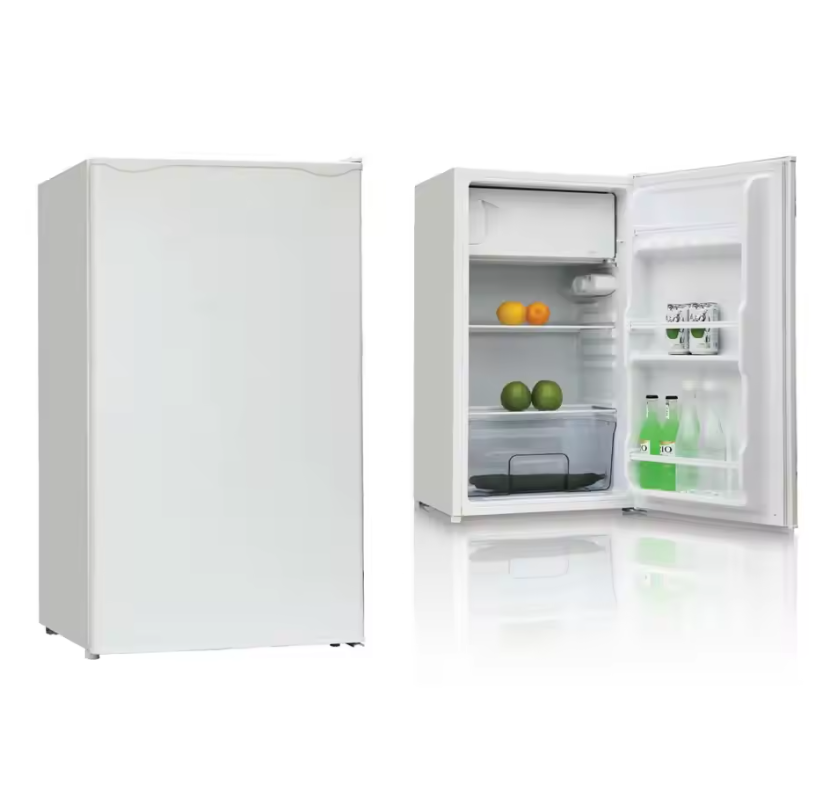
За импортьорите, които навлизат в глобалния пазар на доставки за студена верига, определянето на подходящия Производител на хладилници е едно от най-важните решения, които ще вземете. Индустрията на замразителите обхваща широк спектър от типове продукти, технически спецификации и производствени възможности, което означава, че не всеки производител ще отговаря на изискванията на вашата целева пазарна ниша, на задълженията ви по съответствие или на търговските ви очаквания. Вземането на правилното решение още от самото начало спестява на импортьорите значително време, разходи и рискове за репутацията им в бъдеще.
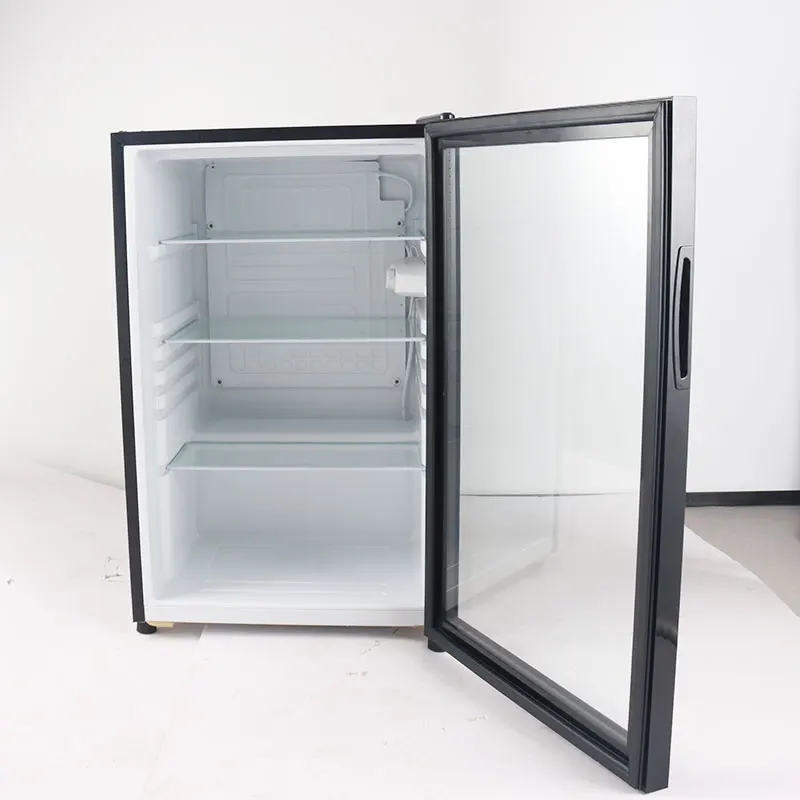
Това ръководство води импортьорите през основните аспекти, които трябва да се имат предвид при търсене на доставчици от Производител на хладилници на глобално равнище. Независимо дали импортирате търговски хладилни шкафове за замразяване, вертикални витрини или компактни домакински модели, критериите за оценка остават в голяма степен еднакви. Разбирането на това, което отличава надежден производител на фризери от ненадежден, и познаването на въпросите, които трябва да зададете по време на процеса на търсене на доставчици, дава на вашия бизнес решаващо конкурентно предимство на изискващия пазар.
Разбиране на това какво всъщност предлага глобален производител на замразители
Асортимент на продуктите и степен на персонализация
Първото нещо, което импортьорите трябва да оценят, е обхватът и дълбочината на асортимента на продукти на производителя на замразители. Някои производители се специализират изключително в търговски рефрижераторни уреди, предназначени за супермаркети и предприятия в сферата на храненето, докато други се фокусират върху битови уреди за домашна употреба. Производителят с истински разнообразен асортимент от продукти показва силни инженерни възможности и способността да обслужва множество пазарни сегменти.
Възможността за персонализация е също толкова важна. Импортьорите често имат нужда от специфични конфигурации на напрежението, цветови оформления, елементи на брандиране или изисквания към етикетирането, за да отговарят на стандартите на местния пазар. Компетентният производител на фризери ще разполага с установени процеси за OEM и ODM, които позволяват такива адаптации, без да се компрометират сроковете за производство. Преди да влезете в партньорство, поискайте документирани примери за предишни проекти по персонализация.
Прозрачността в дизайна на продукта — например модели с прозрачни или полупрозрачни капаци, които позволяват на потребителите да виждат съдържанието, без да отварят уреда — все повече се търси в търговските среди. Тази функция подобрява потребителския опит и намалява загубата на температура, което я прави едновременно маркетингов актив и фактор за енергийна ефективност. Добре оснастеният производител на фризери трябва да може да предлага тези варианти като част от стандартния си асортимент или като конфигурируема опция.
Производствен капацитет и надеждност на водещото време
Обемната вместимост е критичен параметър, който импортьорите трябва да проверят чрез директно запитване и, предпочтително, чрез аудит на място. Производителят на фризери, който може да изпълнява малки пробни поръчки, но не е в състояние да увеличи производството си при нарастване на вашата търсеност, представлява значителен риск за веригата ви за доставки. Поискайте данни за месечната производствена мощност и задайте въпрос как се управляват пиковите периоди, особено за пазари с ярко изразени сезонни търсеностни модели.
Последователността на водещото време е още един индикатор за оперативна зрялост. Опитните импортьори знаят, че цитираното водещо време от шест до осем седмици има много малко значение, ако производителят редовно пропуска тези срокове поради липса на компоненти или производствени задръжки. Поискайте исторически данни за изпълнение на поръчки или препоръчителни писма от клиенти, които конкретно коментират точността в доставките. Прозрачният производител на фризери няма да се колебае да предостави такава документация.
Оценка на стандартите за качество и съответствието със сертификационните изисквания
Международни сертификати и изисквания за достъп до пазара
Съблюдаването на регулаторните изисквания е задължително при внос на фризери в развитите пазари. В зависимост от страната ви на предназначение производителят на фризери може да се нуждае от сертификати като CE маркировка за европейските пазари, одобрение ETL или UL за Северна Америка или сертификация по схемата CB за по-широк международен достъп до пазарите. Тези сертификати не са просто административни формалности — те представляват независима проверка, че продуктите отговарят на установените стандарти за безопасност и експлоатационни характеристики.
Импортьорите трябва да поискат оригиналните сертификационни документи и да проверят валидността им директно при издаващите органи, когато това е възможно. Трябва да се проверяват датите на изтичане на сертификатите и импортьорите трябва да попитат производителя на фризери как управлява подновяването на сертификатите при актуализации на дизайна на продуктите. Производител, който разглежда сертификатите като живи документи, а не като еднократни постижения, демонстрира дългосрочна ангажираност към осигуряване на качеството.
Етикетирането за енергийна ефективност все по-често става задължително в много региони. Ако пазарът, който целите, изисква определени оценки по програмата Energy Star или съответствие с европейската енергийна етикетка, производителят на фризери трябва да разполага с документирани резултати от изпитания, проведени от акредитирани независими лаборатории. Това е област, в която по-нискокласните производители често прибягват до компромиси, затова внимателната проверка тук директно гарантира вашето право да продавате законно на избрания от вас пазар.
Вътрешни процеси за контрол на качеството
Уважаван производител на фризери ще има структурирани процеси за контрол на качеството, вградени на множество етапи от производствения цикъл — от инспекцията на постъпващите суровини до окончателното предварително изпитване преди изпращане. Импортьорите трябва да поискат писмена рамка за управление на качеството и, ако е възможно, да поискат достъп до скорошни вътрешни или независими (от трета страна) аудитни доклади за качеството. Сертификатът ISO 9001 е полезен базов показател за системно управление на качеството, макар че той трябва да се оценява заедно с контроли, специфични за производствения процес.
Подготовката за инспекция преди изпращане е практически инструмент, който импортьорите могат да използват, за да допълнят собствените контроли на производителя върху качеството. Назначаването на независима инспекционна агенция за провеждане на извличане на проби според AQL (приемливо ниво на дефектност), преди стоката да бъде натоварена, осигурява независима проверка, която може да попречи на дефектни единици да достигнат вашата дистрибуционна мрежа. Доверен производител на фризери ще приветства този процес, а не ще го отхвърля, тъй като той също така защитава репутацията му на експортните пазари.
Търговски условия, ценообразуване и общата стойност на собствеността
Разбиране на ценовите модели FOB, CIF и DDP
При оценка на цените от производител на фризери импортьорите трябва да разбират кои търговски термини лежат в основата на цитираната цена. Цената по FOB („Свободен на борда“) е най-често срещаният начален пункт при експортните сделки и покрива стойността на стоката до момента на натоварването ѝ в пристанището на произход. Цената по CIF („Стойност, застраховка и фрахт“) обхваща разходите до пристанището на дестинацията, докато цената по DDP („Доставено с изплатени митни такси“) представлява пълна включена цена, която включва митните такси и местната доставка.
Сравняването на оферти от няколко производителя, използващи различни търговски условия, без да се коригират разликите между тях, води до изкривени сравнения на разходите. Импортьорите трябва да нормализират всички оферти върху една и съща основа — обикновено крайна цена до техния склад — преди да вземат каквото и да било решение за източник на доставка. Професионален производител на фризери с опит в експорт ще се чувства удобно да обясни структурата си на ценообразуване и да помогне на импортьорите да изчислят общата крайна цена.
Скритите разходи са устойчив проблем при кросбордърното набавяне. Разходите за опаковка, таксите за експортна документация, изискванията за фумигация и вътрешният транспорт от фабриката до пристанището често не се включват в първоначалните оферти. Винаги изисквайте пълно детайлизирано разпределение от вашия производител на фризери, за да гарантирате, че сравнявате еднакви неща и че няма да възникнат неочаквани разходи на етапа на логистиката.
Условия за плащане и управление на финансовите рискове
Условията за плащане пряко влияят върху експозицията ви към оборотния капитал и вашия ливъридж в случай на спорове относно качеството или доставката. Често срещаните условия в сектора на производителите на фризери включват 30% депозит със 70% остатък срещу копие от товарителницата или пълно плащане чрез потвърден акредитив. Вносителите за първи път трябва да се насочат към условия, които запазват ливъриджа на плащането, докато стоките не бъдат потвърдени като изпратени и отговарят на спецификациите.
Търговското кредитно осигуряване и документарните акредитиви са финансови инструменти, които предоставят на импортьорите структурирано намаляване на риска при транзакции с нов производител на фризери. Въпреки че тези инструменти водят до допълнителни разходи и административни усилия, те осигуряват значима защита при транзакции с голяма стойност. Когато отношенията с доставчика се узряват и доверието се установява чрез последователни доставки, условията за плащане могат да бъдат преговорени, за да отговарят по-добре на интересите на двете страни.
Комуникация, поддръжка след продажбата и жизнеспособност на дългосрочното партньорство
Бързина на реакция и технически комуникационни възможности
Качеството на комуникацията с производител на фризери е надежден индикатор за начина, по който ще бъдат решавани споровете, забавянията и техническите проблеми след установяване на търговските отношения. Импортьорите трябва да оценят времето за отговор, яснотата на писмената комуникация и готовността на производителя да предостави подробна техническа документация още в предварителната продажбена фаза. Ако получаването на основните технически спецификации изисква многократно напомняне, този модел вероятно ще се запази и през цялото траене на взаимоотношенията.
Възможността за техническа поддръжка е особено важна за импортьорите, които продават на пазари, където за крайните потребители имат значение инсталацията, заявките по гаранция и наличността на резервни части. Производителят на фризери, който предоставя продуктова документация на множество езици, лесно достъпни контакти за техническа поддръжка и документирана програма за резервни части, демонстрира истинско ангажираност към успеха на клиентите след изпращането на стоката. Този вид поддръжка намалява товара върху импортьора и усилва вашата способност да създадете устойчива пазарна позиция.
Стабилност, дълголетие и етични производствени практики
Продължителността на бизнеса е значим индикатор за надеждност. Производителят на фризери, който е в дейност повече от десет години и има проверена експортна история в множество пазари, е доказал своята способност да се справя с икономически цикли, регулаторни промени и прекъсвания в доставковата верига. По-новите производители може да предлагат привлекателни цени, но носят по-висока несигурност относно непрекъснатостта на дейността и финансовата стабилност.
Етичните стандарти за производство, включително отговорни практики в областта на труда, съответствие с екологичните изисквания и прозрачно набавяне на суровини по веригата на доставките, все повече се подлагат на проверка от импортьорите в регулираните пазари. Някои страни получатели имат закони за дължима грижа при импорта, които изискват от импортьорите да докажат, че техните вериги на доставки са свободни от принудителен труд и определени екологични нарушения. Изискването от вашия производител на фризери документи, потвърждаващи социалното и екологичното съответствие, не е само етично оправдано — то става юридическо задължение в растящ брой юрисдикции.
Дългосрочната жизнеспособност на партньорството също зависи от инвестиционната траектория на производителя. Производител на фризери, който реинвестира в научноизследователската и развойна дейност, производствени технологии и обучение на персонала, е такъв, който ще продължи да подобрява качеството на продуктите си и да разширява асортимента си с течение на времето. Това създава натрупваща се стойност за импортьорите, които изграждат задълбочени взаимоотношения с такива партньори, тъй като получават достъп до нови продукти и иновации преди конкурентите си.
Често задавани въпроси
Какви сертификати трябва да изисквам от производител на фризери преди импортиране?
Сертификациите, които са задължителни, зависят от пазара на вашето предназначение. За Европа обикновено е задължително маркирането CE, докато за северноамериканските пазари се изисква одобрение UL, ETL или cUL. Сертификацията по схемата CB осигурява по-широко международно признание. Документацията за съответствие с изискванията за енергийна ефективност, като например енергийните етикети на ЕС или рейтингите Energy Star, също може да бъде задължителна по закон. Винаги проверявайте валидността на сертификатите директно с издателя им и уточнете дали сертификатите обхващат конкретния модел, който внасяте.
Как мога да оценя производственото качество на производител на фризери, без да посещавам фабриката?
Без посещение на място, импортьорите могат да разчитат на независими фабрични аудити, извършени от инспекционни агенции, преглед на сертификати за управление на качеството като ISO 9001 или подобни, както и на доклади за инспекция преди изпращане от предишни клиенти. Също така е задължително да се поискат пробни образци на продукта преди поръчване на голямо количество. Видеоконференциите, включващи живо обикаляне на производствените помещения, осигуряват допълнителна прозрачност и все повече се приемат като практична алтернатива на личните посещения.
Каква е най-честата грешка, свързана с ценообразуването, която импортьорите правят при търсене на производител на фризери?
Най-честата грешка е сравняването на цени FOB от различни производители, без да се вземат предвид разликите в опаковката, таксите за документация, вътрешния транспорт и таксите за обработка в пристанището. Импортьорите често пренебрегват тези разходи, които могат значително да повлияят върху изчисляването на общата стойност до склада. Винаги изисквайте пълно разбиване на разходите до точката на доставка във вашия склад и използвайте последователна основа за търговски термини при сравняване на оферти от няколко производителя на фризери.
Колко важна е поддръжката след продажбата при избора на производител на фризери?
Поддръжката след продажбата е изключително важна, особено на пазарите, където крайните потребители очакват гаранционно покритие и достъп до резервни части. Производителят на фризери, който предоставя документирани гаранционни политики, достъпна техническа поддръжка и верига за доставка на резервни части, значително намалява рисковото излагане на импортьора. Недостатъчната инфраструктура за поддръжка след продажбата може да доведе до недоволство сред клиентите, връщания на стоки и увреждане на репутацията ви на пазара — разходи, които далеч надвишават всяка краткосрочна икономия от избора на доставчик с по-ниско ниво на поддръжка.
Съдържание
- Разбиране на това какво всъщност предлага глобален производител на замразители
- Оценка на стандартите за качество и съответствието със сертификационните изисквания
- Търговски условия, ценообразуване и общата стойност на собствеността
- Комуникация, поддръжка след продажбата и жизнеспособност на дългосрочното партньорство
-
Често задавани въпроси
- Какви сертификати трябва да изисквам от производител на фризери преди импортиране?
- Как мога да оценя производственото качество на производител на фризери, без да посещавам фабриката?
- Каква е най-честата грешка, свързана с ценообразуването, която импортьорите правят при търсене на производител на фризери?
- Колко важна е поддръжката след продажбата при избора на производител на фризери?